


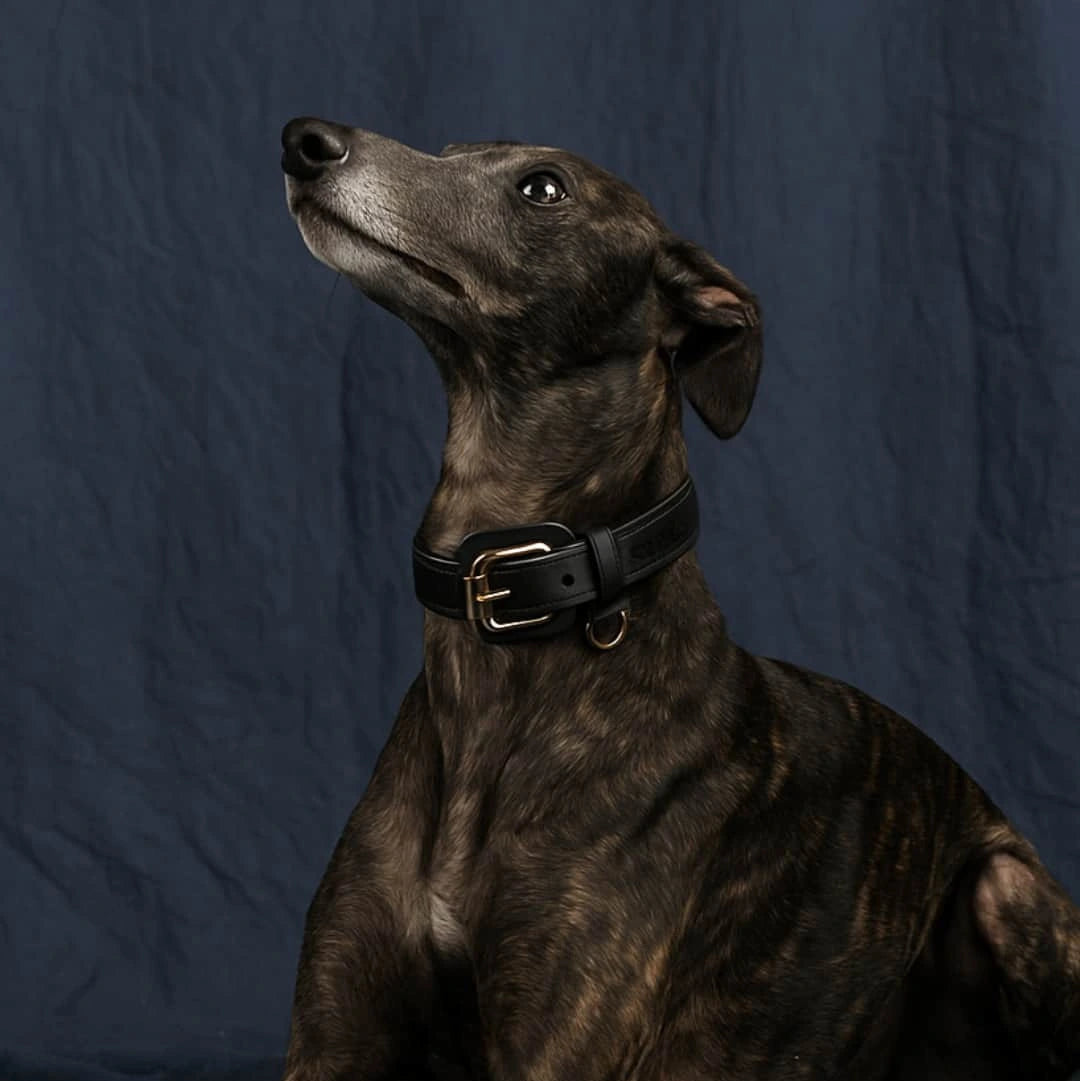

A dog that sleeps well is more balanced, easier to train, and more resilient to stress. However, the importance of a proper sleeping area is often underestimated. Usually, the dog bed is placed wherever there is room—often in high-traffic hallways or right next to a noisy heater. Yet, a dedicated retreat is a cornerstone of dog ownership and determines how relaxed your dog truly is in daily life.
Dogs spend between 12 and 18 hours a day resting and sleeping. In this Siliena guide, you will learn how to choose the ideal location, which bed styles protect your dog's joints, and how to turn the sleeping area into a strictly "no-disturbance" zone.
Table of Contents
- The Biology of Dog Sleep: Why Rest is Essential
- The Best Location: Where Should the Dog Bed Go?
- Beds, Bolsters, or Mats: What Fits Your Dog?
- Size and Shape: The Rule of Thumb for Comfort
- Dog Crates as Beds: Sanctuary or Cage?
- Special Considerations for Puppies and Seniors
- The 5 Most Common Dog Bed Mistakes
- Checklist: The Perfect Sleeping Area at a Glance
The Biology of Dog Sleep: Why Rest is Essential
Just like humans, dogs go through various sleep cycles, including the crucial REM (Dream Sleep) phase. During this time, they process their experiences and reduce stress hormones like cortisol. A poor sleeping environment prevents the dog from reaching the deep sleep phases necessary for recovery.
A dog without a designated quiet zone often appears "hyperactive," shows controlling behavior (following you everywhere), or reacts irritably to environmental triggers. Real rest is the most effective training against stress.

The Best Location: Where Should the Bed Be Placed?
For a dog's sense of security, the location is more important than the most expensive orthopedic bed. Dogs are instinctively driven to keep an eye on their surroundings without being exposed or "center stage" themselves.
An ideal spot meets these criteria:
- Quiet but not isolated: The dog wants to remain part of the "pack" but shouldn't be woken up by people constantly walking past.
- No strategic vantage points: Avoid hallways or spots directly behind the front door. These areas put the dog in "guard mode" instead of relaxation mode.
- "Back coverage": A corner or a spot against a wall provides a sense of security and cozy "den-like" warmth.
- Climate control: Avoid drafts and direct placement next to fireplaces or heaters (risk of overheating and dry skin/mucous membranes).
Dog Bed, Bolster, or Mat – Which One Suits Your Dog?
Every dog has an individual sleeping style. Observe your dog: Is he a "curler" or a "stretcher"?
- Bolster Beds (with edges): Ideal for dogs that like to rest their heads or seek protection at their backs. The raised edge acts as a barrier and retains heat.
- Orthopedic Beds (Memory Foam): A must-have for large breeds and seniors. It relieves pressure on the spine and joints (preventing elbow calluses and pressure sores).
- Dog Mats & Pads: Perfect for "hot sleepers" who prefer flat surfaces and change positions frequently.
The Right Size: The Rule of Thumb
A sleeping area that is too small leads to muscle tension. The rule of thumb is: Measure your dog from the tip of the nose to the base of the tail and add about 8–12 inches (20–30 cm). The dog must be able to stretch out completely without limbs hanging over the edge.

The Crate as a Bed – Helpful or Not?
When introduced correctly through crate training, a dog crate is not a cage but a "security den." Especially anxious dogs or puppies benefit from the spatial boundary, as it helps them process fewer external stimuli.
Important: The crate must be conditioned positively and should remain accessible with the door open during the day. It serves as a sanctuary, never as a place for punishment.
Special Considerations for Puppies and Seniors
Puppies: They need physical closeness. For the first few weeks, it is helpful to have their bed in your bedroom to strengthen the bond and better monitor house training needs.
Seniors: Ensure a non-slip surface around the bed. Older dogs often struggle to stand up on slick tile or hardwood floors. Additionally, the bed should have a low entry point (step-in access) to accommodate stiff joints.
The 5 Most Common Dog Bed Mistakes
- Hallway placement: The dog feels responsible for the front door and never truly "clocks out."
- Poor hygiene: The bed should have a removable, washable cover to protect against mites and allergens.
- Disturbing them while sleeping: A sleeping dog should never be petted or startled—"Let sleeping dogs lie" is a golden rule for a reason.
- Lack of support: Heavy dogs in cheap, soft beds sink right through to the floor, causing joint pain.
- No variety: Many dogs like to switch between a warm bolster bed and a cool mat depending on the room temperature.

Checklist: The Perfect Rest Area
- Draft-free and temperature-controlled
- Large enough for full stretching
- Located away from high-traffic areas
- Washable materials for optimal hygiene
- Voluntary acceptance (the dog chooses to go there on his own)
Conclusion
The perfect sleeping area is not a luxury item; it is the foundation for your dog's mental and physical health. When your dog knows he is safe and undisturbed in his spot, he will react more calmly to everything else in his life.
Invest time in choosing the right location and quality in the materials—your dog will thank you with balance, vitality, and better health.



Leave a comment
This site is protected by hCaptcha and the hCaptcha Privacy Policy and Terms of Service apply.