






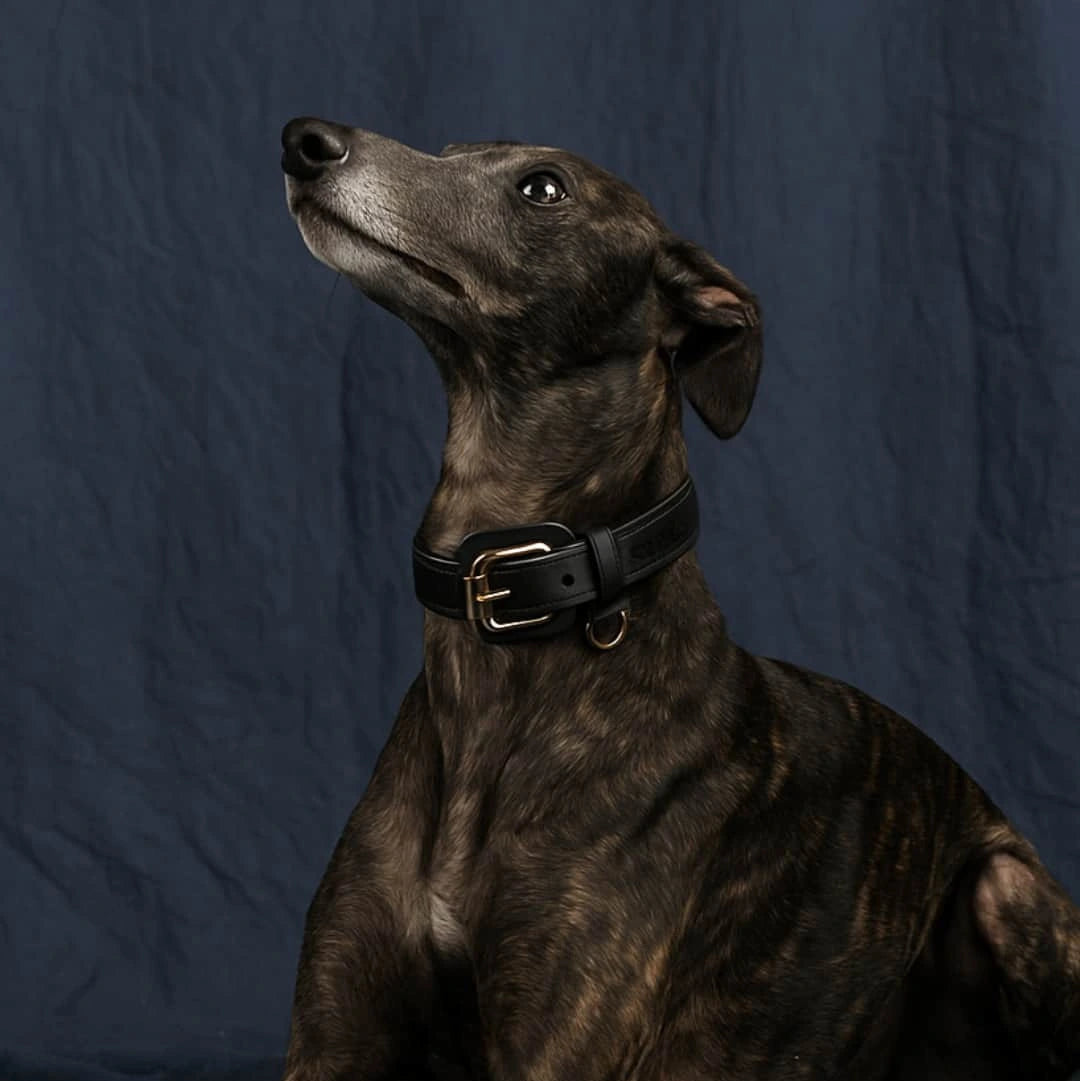
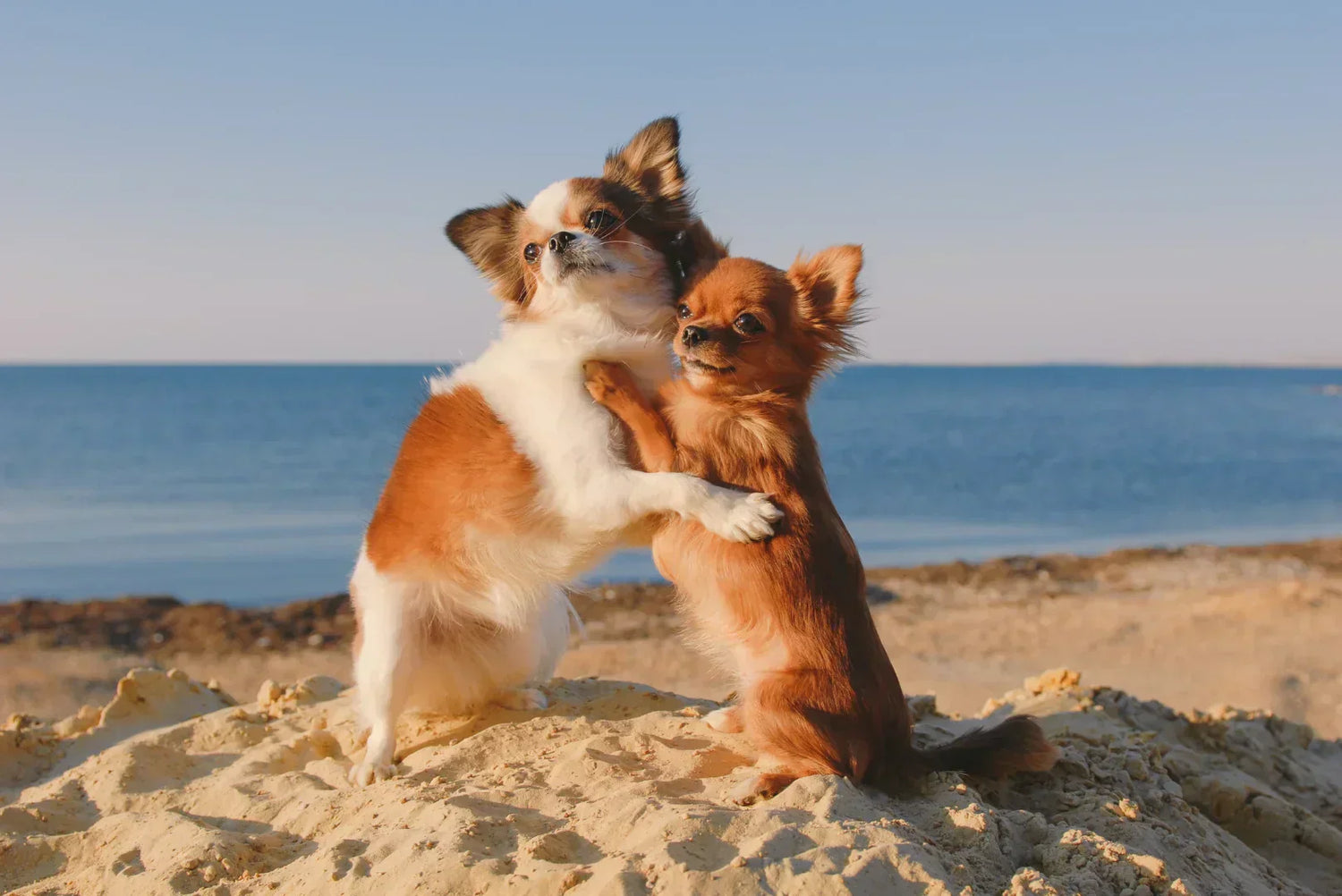
Dog encounters are a part of daily life for every pet parent. Whether you’re on a narrow city sidewalk, a morning trail hike, or in a tight hallway, dogs are bound to cross paths. While some meetings are silent and harmonious, others trigger stress, racing hearts, or even conflict—for both the dog and the human.
In this Siliena guide, you’ll learn why leash encounters are often so charged, how to better read your dog’s body language, and how to master every walk with confidence and calm—no matter if your companion is a bold adventurer or a sensitive soul.
Table of Contents
- Psychology: Why Leash Encounters are Challenging
- Reading Body Language: What Dogs Are Really Saying
- Mood Transfer: Your Mindset is Key
- The Pet Parent Etiquette: Unwritten Rules
- 5 Pro Hacks for Relaxed Encounters
- Common Mistakes to Avoid
- The Right Gear as a Safety Anchor
- Conclusion: Confidence is a Skill
Psychology: Why Leash Encounters are Challenging
Many owners are frustrated when their otherwise "sweet" dog suddenly turns into a "Rambo" on the leash. The reason is often simple: The leash prevents natural communication.
In an off-leash setting, a dog would never approach a stranger head-on in a straight line—in the canine world, that’s considered rude or even threatening. They walk in curves. On a 5-foot wide sidewalk, this curve is impossible. The dog feels cornered. Additionally:
- Restricted Flight Option: The dog knows they cannot move away.
- Negative Past Experiences: One bad interaction is enough for the brain to store: "Other dogs = Danger."
- Frustration: The dog actually wants to say hello but is held back—this energy often explodes into loud barking or lunging.

Reading Body Language: What Dogs Are Really Saying
Before things escalate, your dog has usually already written a "novel." Dogs communicate through micro-signals. During your next encounter, watch for:
- Staring (Fixating): A hard, locked gaze is a clear challenge.
- Lip Licking or Yawning: Signs of stress and an attempt to de-escalate the situation.
- Freezing: If the dog briefly stiffens their muscles, they are deciding between "fight" or "flight."
Pro Tip: Recognizing these signals early allows you to act before the leash goes taut.
Mood Transfer: You Are the Other End of the Leash
Dogs have antennas for our emotions. If you hold your breath and wrap the leash tight around your wrist the moment you see another dog, you’re sending a signal straight down the line: "Watch out, something bad is about to happen!"
Your composure is your dog’s safety anchor. Deep breathing and relaxed shoulders signal to them: "I’ve got this, you don’t need to worry."

The Pet Parent Etiquette: Politeness on Four Paws
Relaxed coexistence relies on mutual respect. At Siliena, we stand for fair interactions:
- Leash to Leash: If you see an on-leash dog, please leash yours too. There is always a reason for the leash (training, heat, illness, or old age).
- No Leash Greetings: A quick "hello" on the leash often leads to tangled leads and misunderstandings. Socializing should ideally happen off-leash in a controlled environment.
- Keep Your Distance: Respect the personal space of other teams. A simple arc around them works wonders.
5 Pro Hacks for Relaxed Encounters
How do you manage these situations in real life?
- The "Arc": Move away as much as needed. Even six feet of space can take the pressure off.
- Use Visual Barriers: Parked cars or hedges are perfect "pause buttons."
- Treat Scatters: As the other dog passes, scatter a few high-value treats in the grass. Sniffing naturally lowers a dog's heart rate.
- The "Body Buffer": Position yourself between your dog and the approaching stranger.
- The "Happy Voice" Rule: Speak softly and encouragingly to your dog instead of shouting.
Common Mistakes to Avoid
- Yanking the Leash: This adds a pain or stress stimulus at the exact moment the other dog appears, reinforcing the negative association.
- "Letting them work it out": On a leash, nothing gets "worked out"—it only creates stress. This isn't training; it's a lack of management.
- Allowing Fixation: Don't let your dog stare down another dog from 50 yards away. Redirection is key here.

The Right Gear as a Safety Anchor
Safety brings confidence. Knowing your dog is securely handled allows you to stay calm.
- A well-fitting Y-harness prevents pressure on the throat/trachea, which can cause panic in stressful situations.
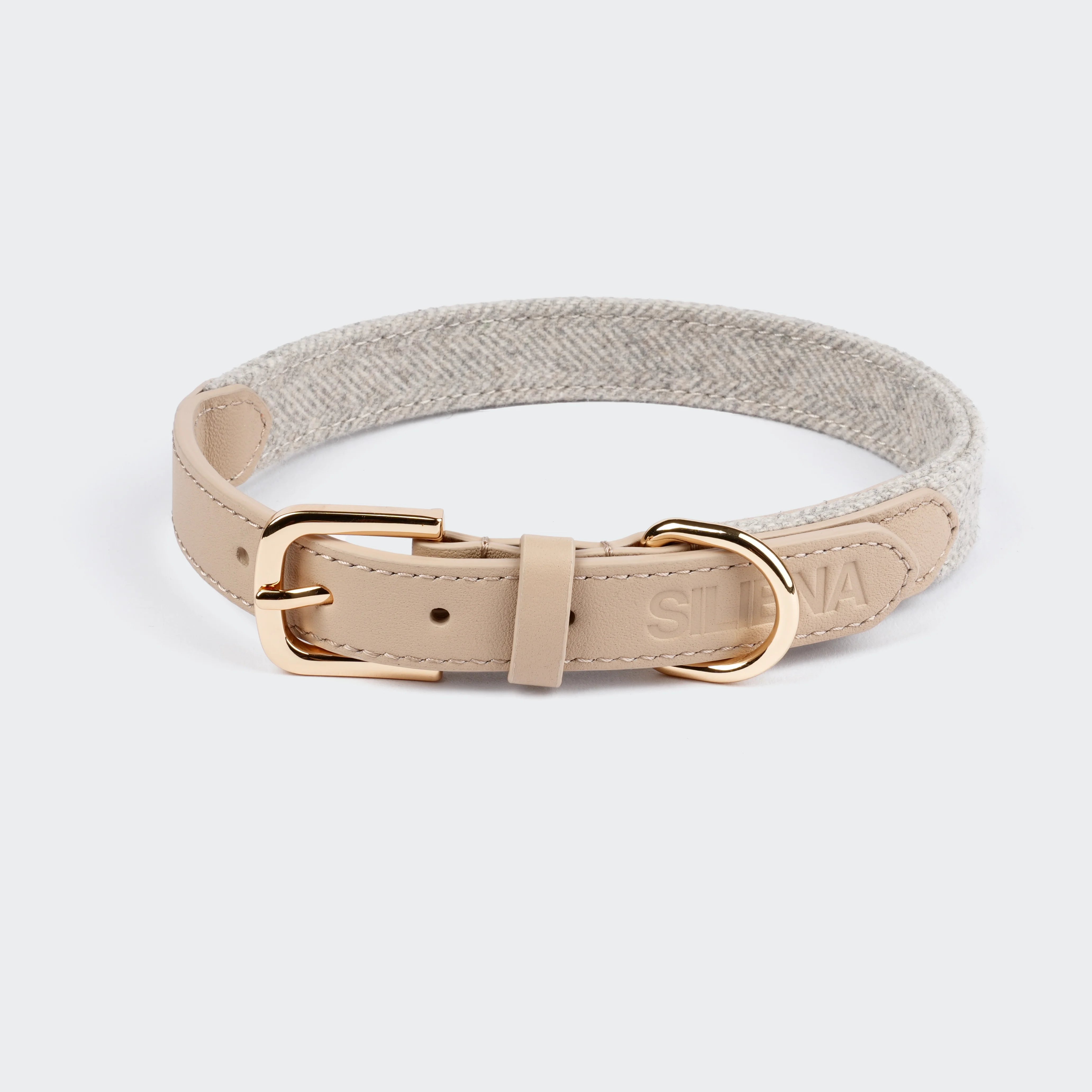
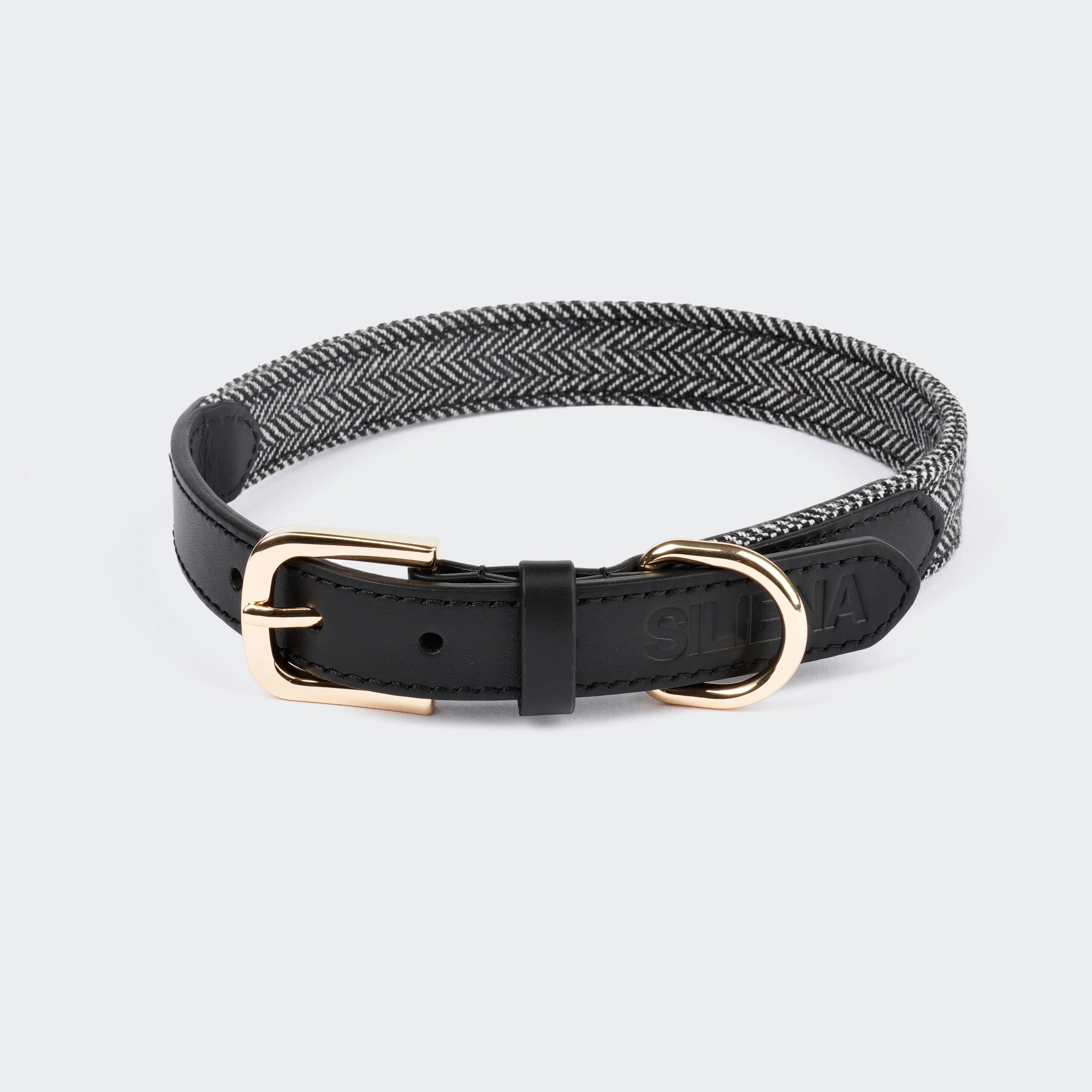
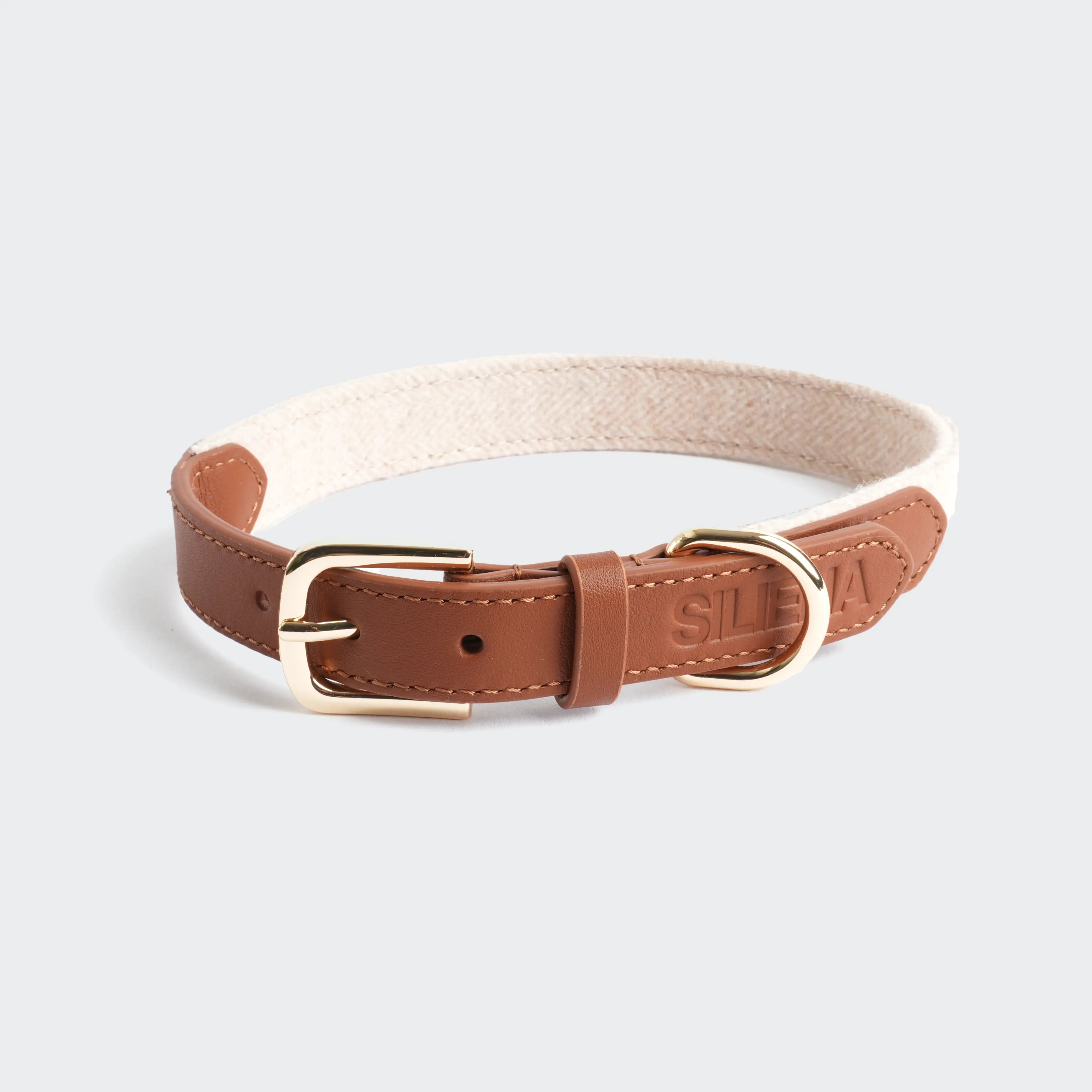
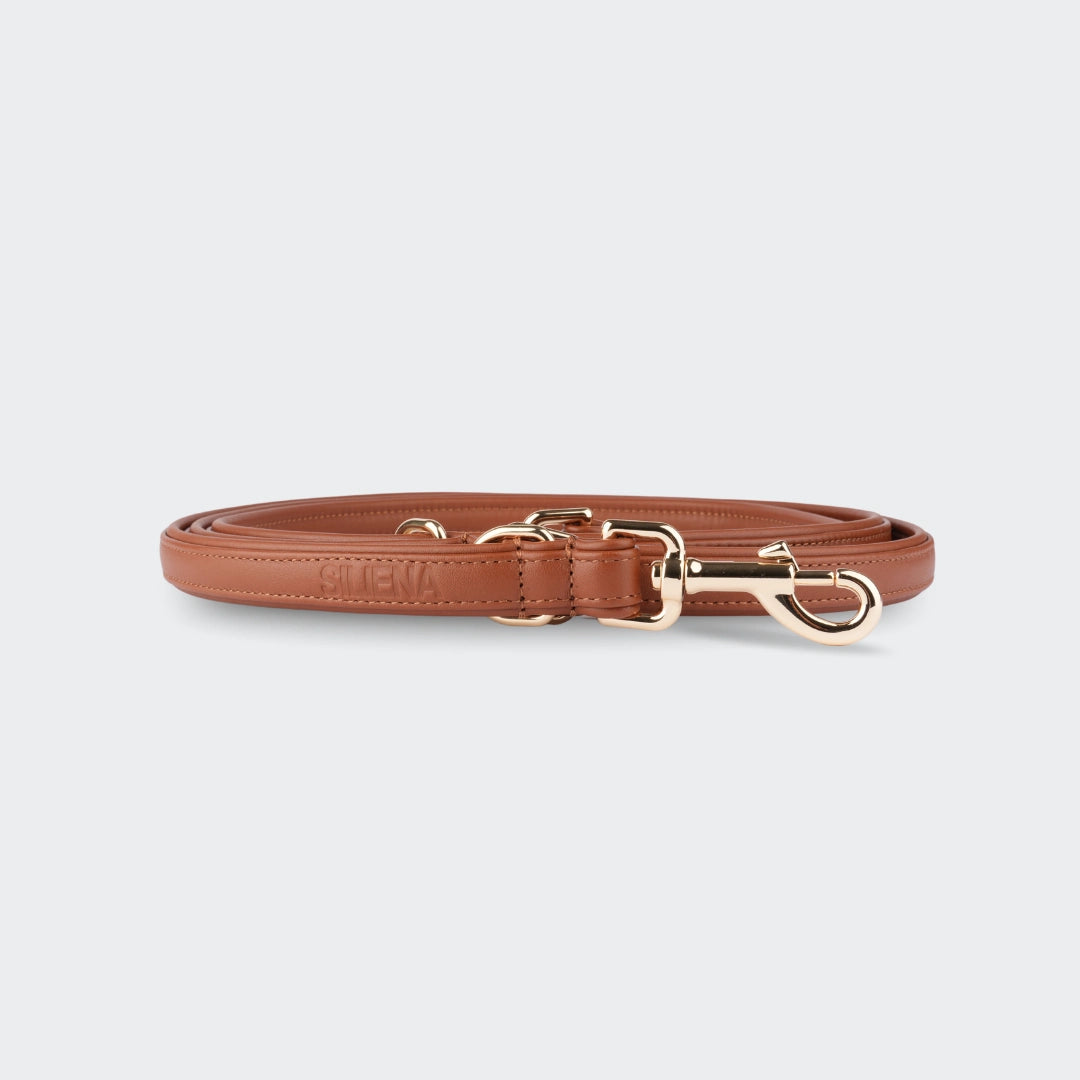
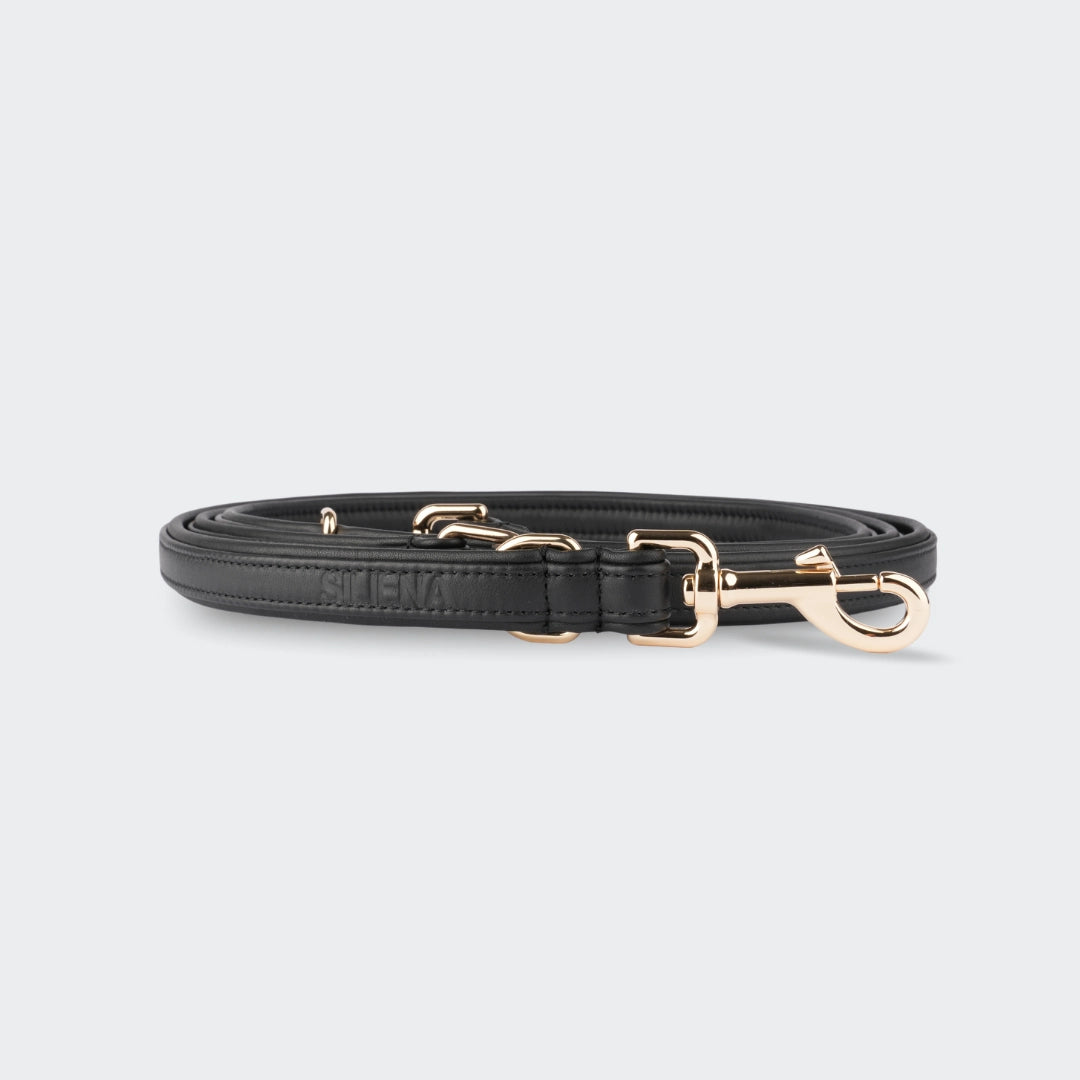
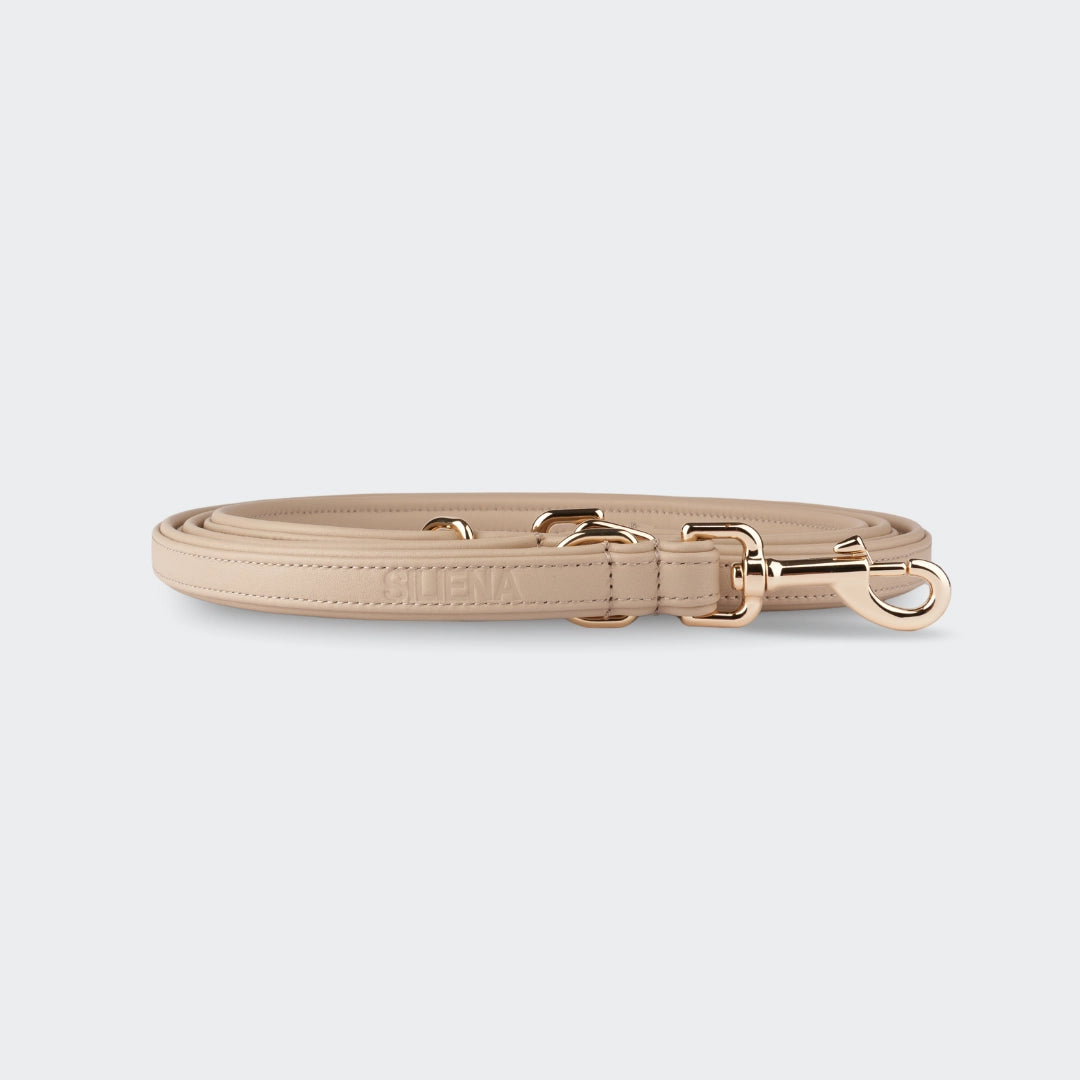
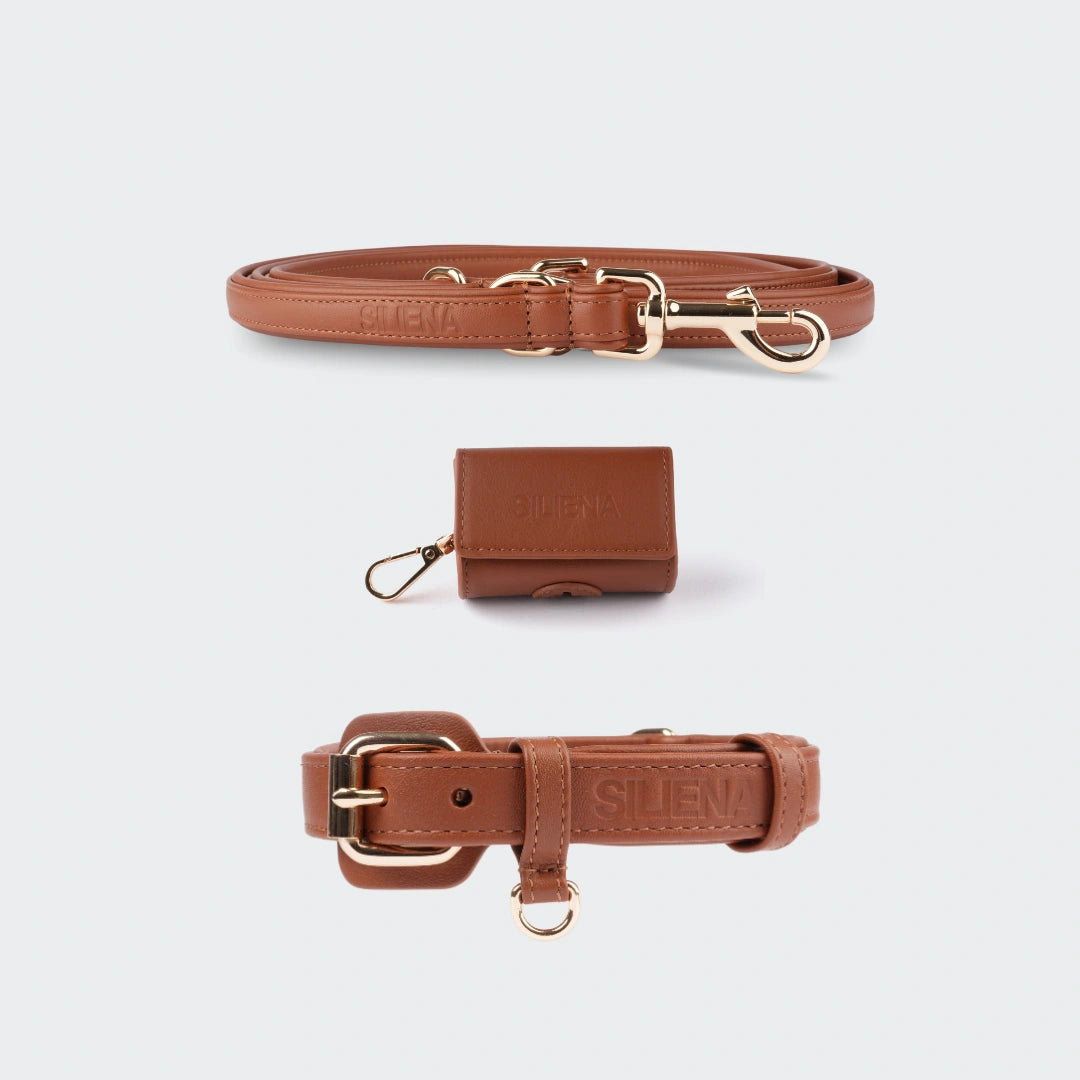
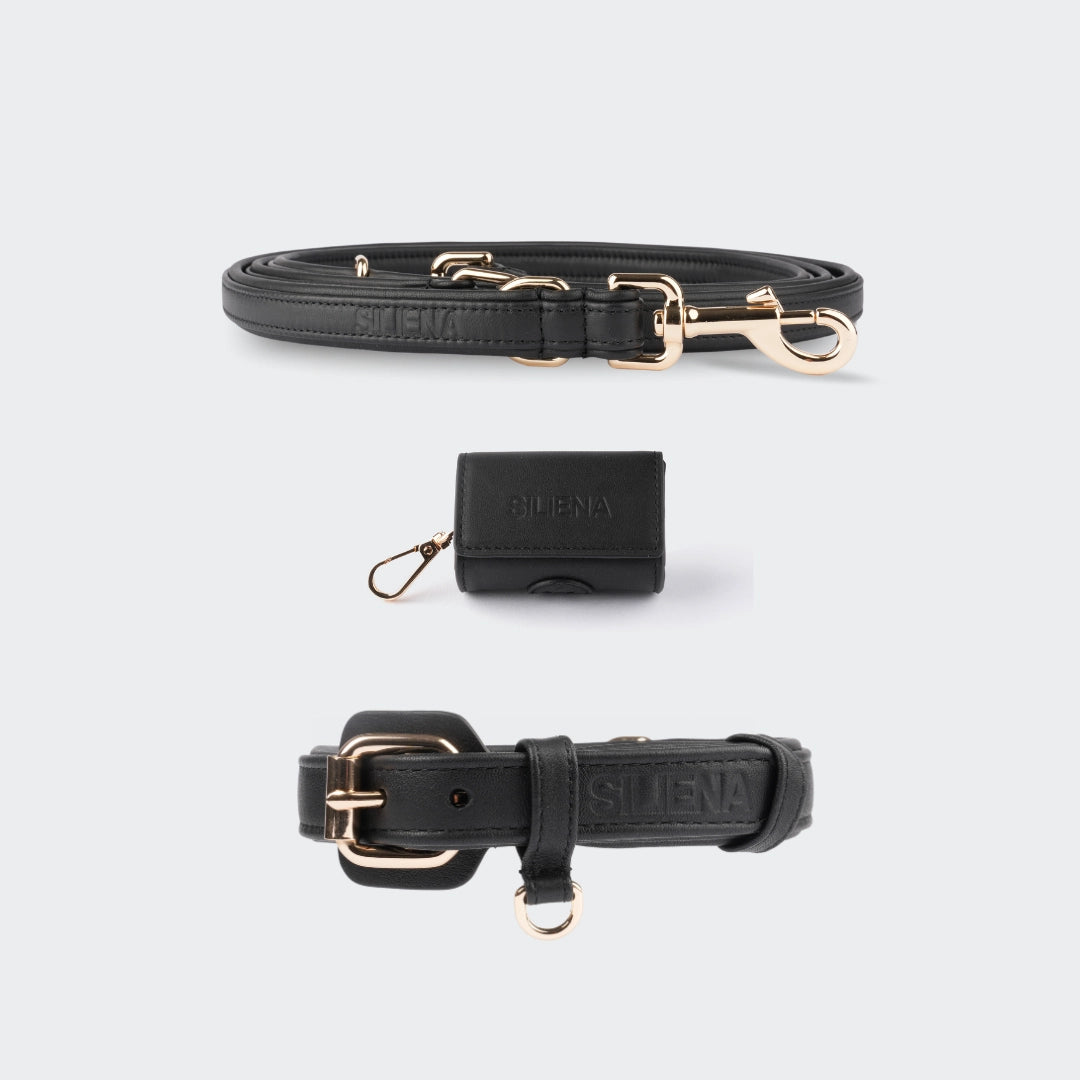
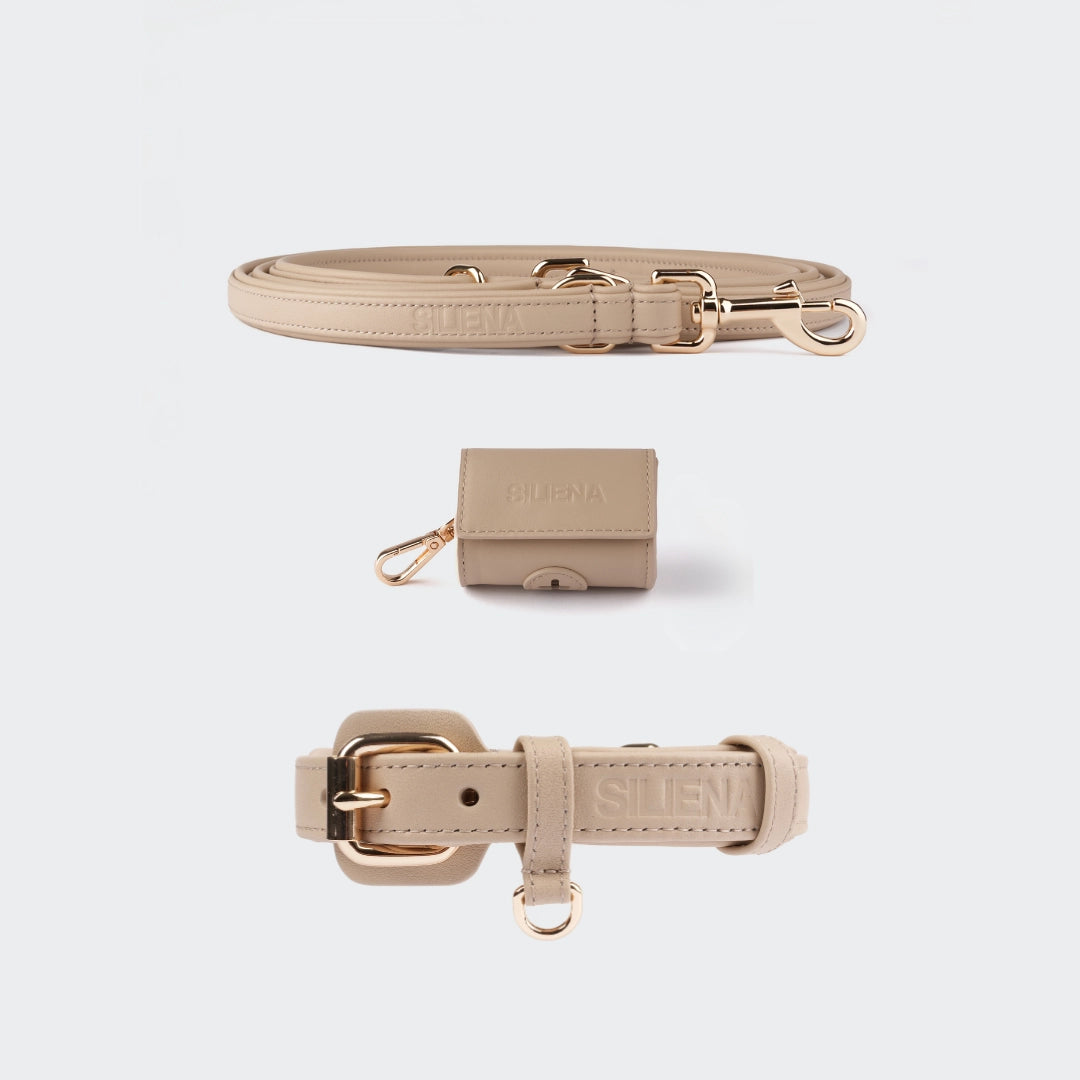
- A soft, high-grip leash (e.g., made of premium leather or rope) ensures you maintain control without the leash cutting into your hands.
Especially for reactive dogs, we recommend leash manners training to refine the communication between you and your dog.
Conclusion: Confidence Starts in the Mind
Daily dog encounters don't have to be a gauntlet. By understanding canine communication and using simple management techniques, almost any situation can be de-escalated. Remember: Not every dog needs to meet 20 "friends" a day. Sometimes, the most successful encounter is the one that never happens.
Stay relaxed—your dog will thank you. The Siliena team wishes you many peaceful walks!




Leave a comment
This site is protected by hCaptcha and the hCaptcha Privacy Policy and Terms of Service apply.