


The Alaskan Malamute is one of the most impressive dog breeds in the world. With its wolf-like appearance, immense strength, and calm, friendly demeanor, it instantly captivates anyone it meets. But as majestic as they appear, a Malamute is not a "simple" companion. They are primitive working dogs that require a clear purpose, plenty of exercise, and a stable social structure.
In this Siliena breed portrait, you’ll learn everything about the "Freight Train of the North"—from their history and training to the unique quirks that make this breed so extraordinary.
Table of Contents
- Origin & History: The Mahlemut Dogs
- Malamute vs. Husky: The Key Differences
- Character & Communication
- The Challenge: Being Left Alone
- Education & Training: Patience Over Pressure
- Exercise & Mushing Sports
- The Malamute in the Garden: Excavation Warning!
- Grooming & Coat: The "Wool Explosion"
- Alaskan Malamute Puppies
- At a Glance: Breed Profile
Origin & History
The Alaskan Malamute originates from Alaska and is one of the oldest sled dog breeds in existence. They were bred by the indigenous Mahlemut people of the Arctic. While other breeds (like the Husky) were selected for speed, the goal for the Mahlemut dogs was maximum pulling power and endurance.
They were required to pull heavy loads over vast distances in freezing temperatures. This heritage defines the Malamute today: they are extremely robust, resilient, and possess a strong survival instinct. They are not dogs that live simply to "please"—they are partners at eye level.
Malamute or Husky? Know the Difference!
Many confuse the Malamute with the Siberian Husky. Here are the most important differences at a glance:
- Power vs. Speed: The Malamute is the "weightlifter," the Husky is the "sprinter."
- Eyes: Malamutes always have brown eyes. Blue eyes are considered a disqualification according to breed standards.
- Build: The Malamute is significantly heavier with a broader chest.
Character & Communication
A Malamute rarely barks in the traditional sense. Owners of this breed learn a new language: the "Woo-Woo." They use an impressive range of howls and vocalizations to communicate with their pack. Many owners jokingly say their dogs tell them entire stories.
Despite their size, they are often remarkably calm and relaxed indoors ("Gentle Giants"). They are very people-oriented and friendly, which unfortunately makes them terrible guard dogs—strangers are usually greeted as potential new playmates.

The Challenge: Being Left Alone
This is a point that is often underestimated. The Alaskan Malamute is an extreme pack animal. Historically, they spent 24/7 with humans or other dogs. Learning to be alone must be practiced in tiny steps starting from puppyhood. Many Malamutes are prone to separation anxiety, which can result in loud howling or the destruction of furniture.
Education & Training: Consistency with Humor
The Malamute is highly intelligent but will question the logic behind commands. "Sit" for the tenth time in a row? To a Malamute, that’s illogical. Training requires ironclad consistency paired with positive reinforcement. Harshness only leads to stubbornness and a loss of trust with this proud breed.
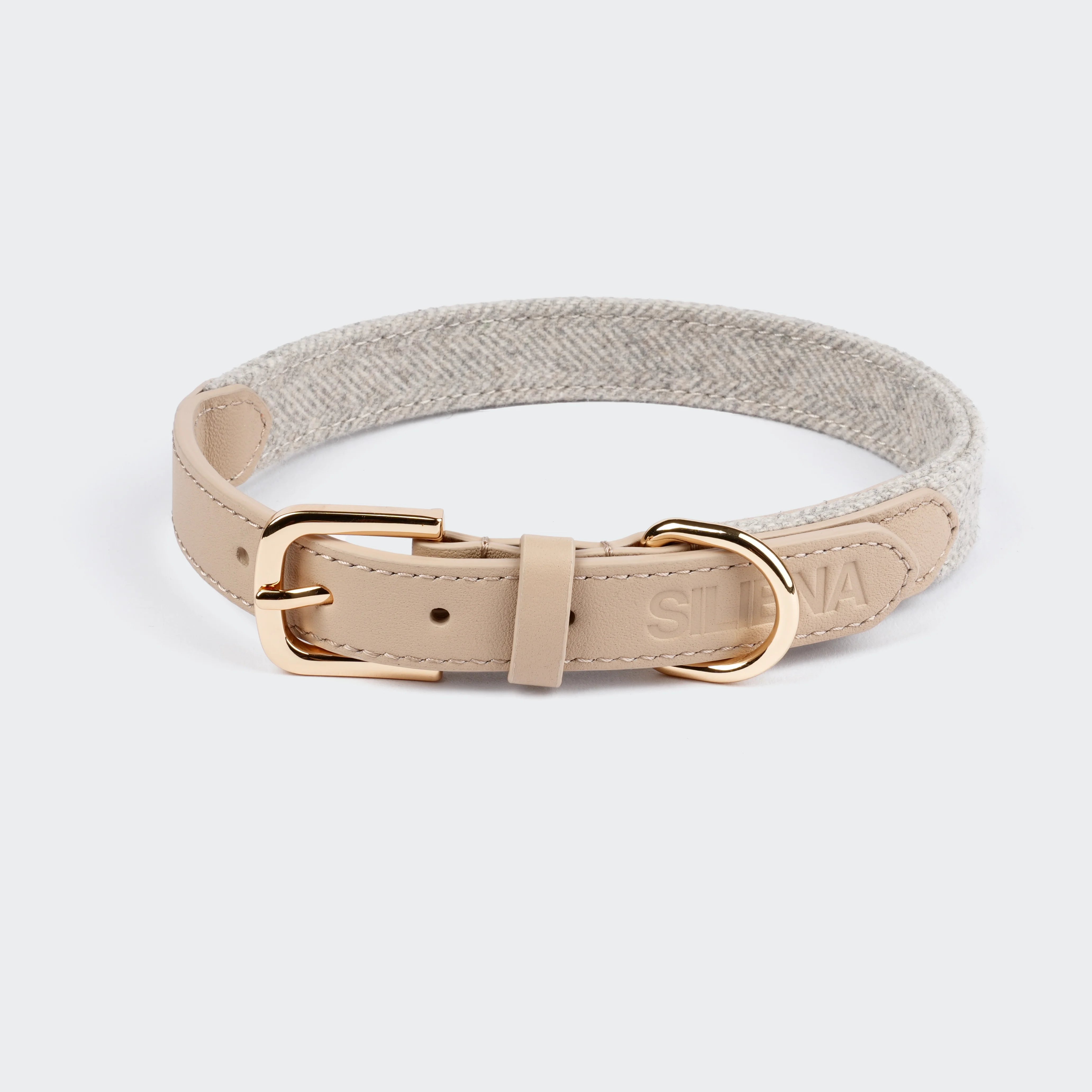
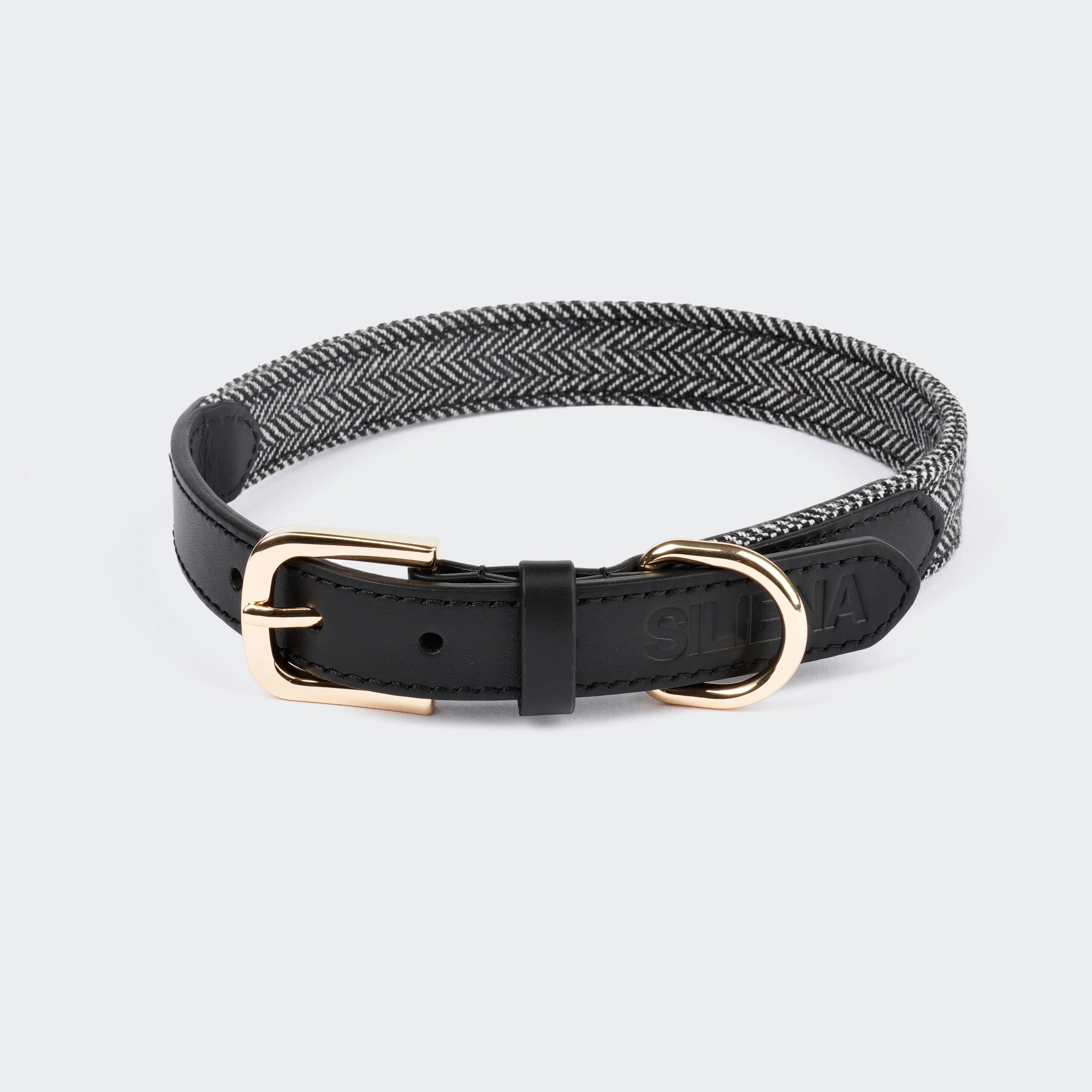
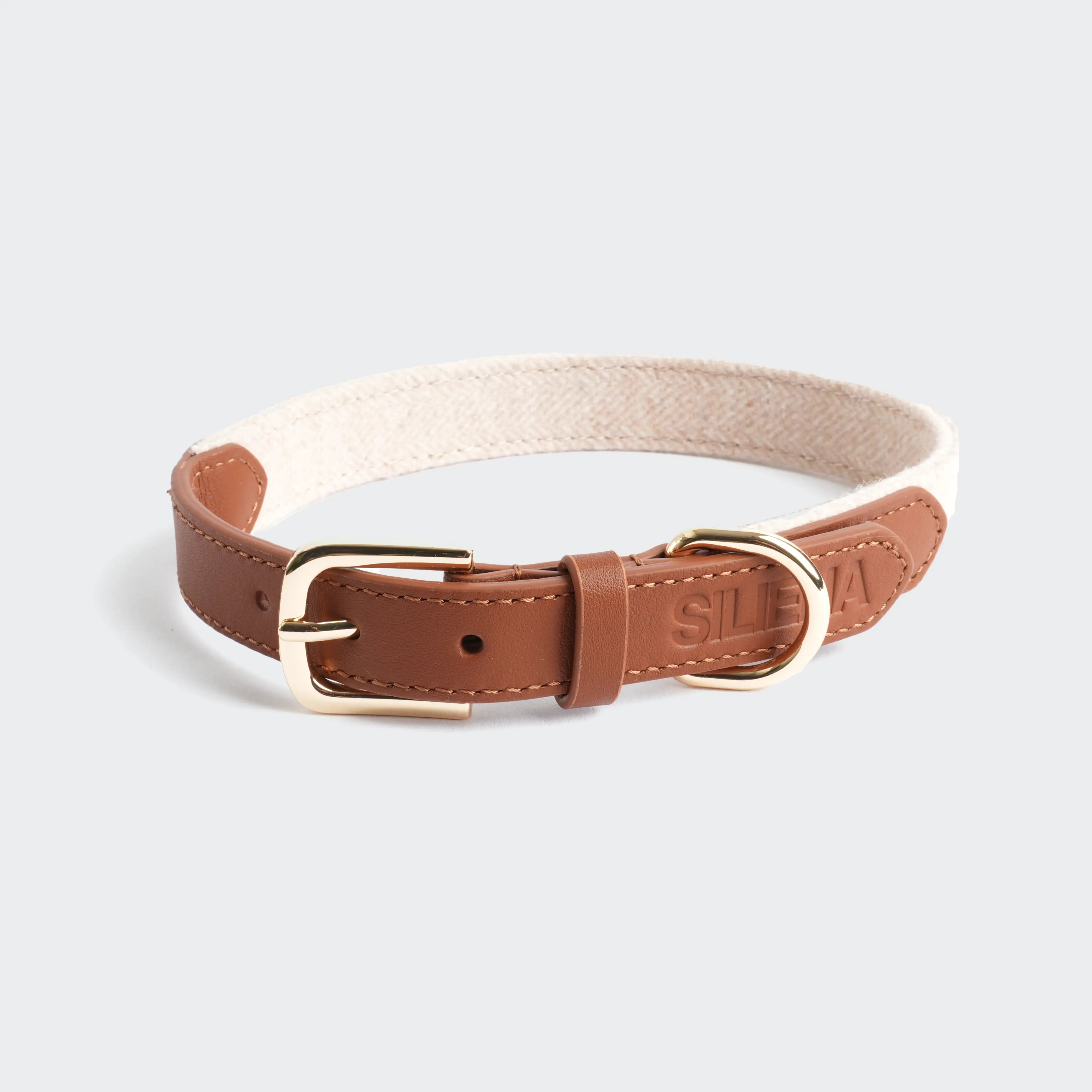
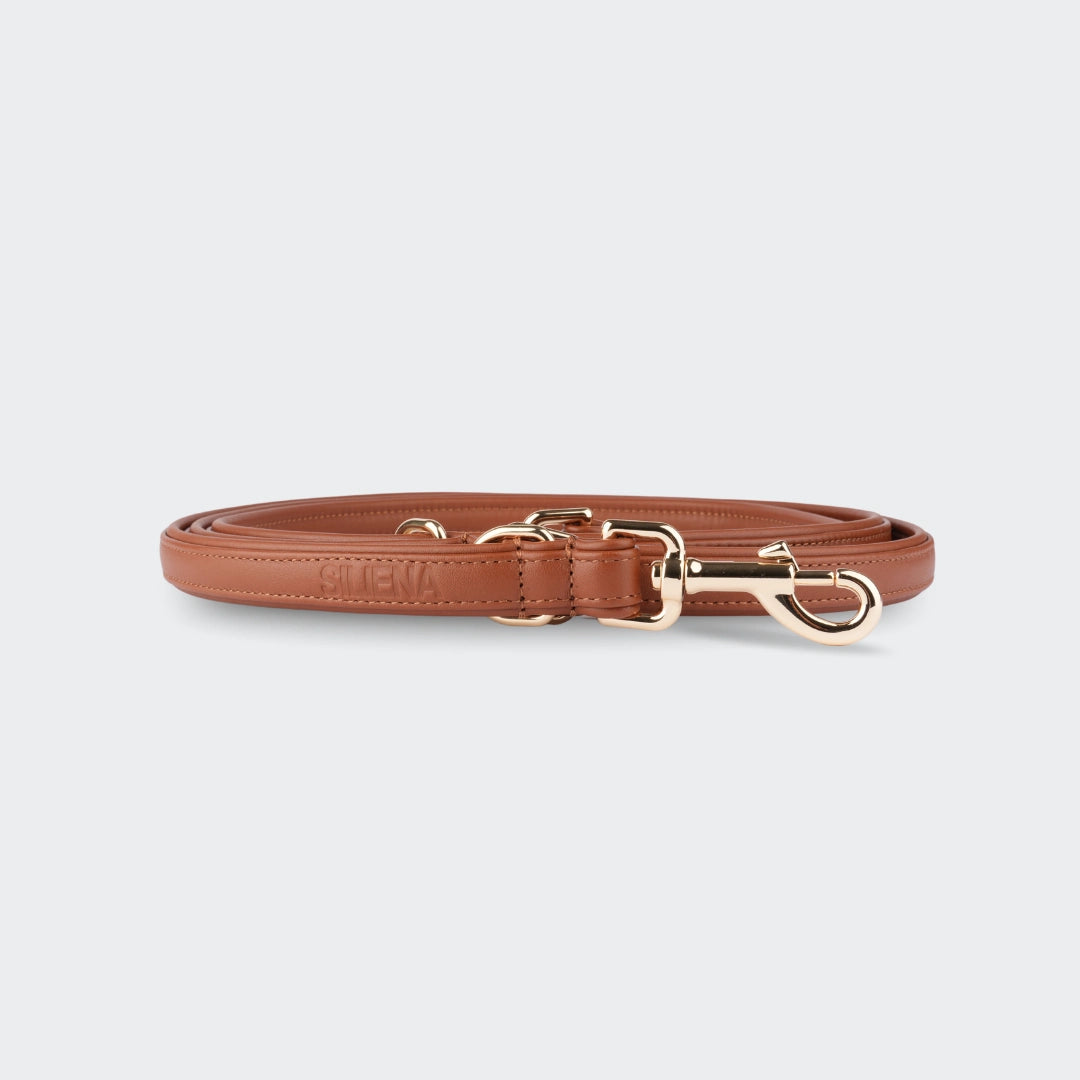
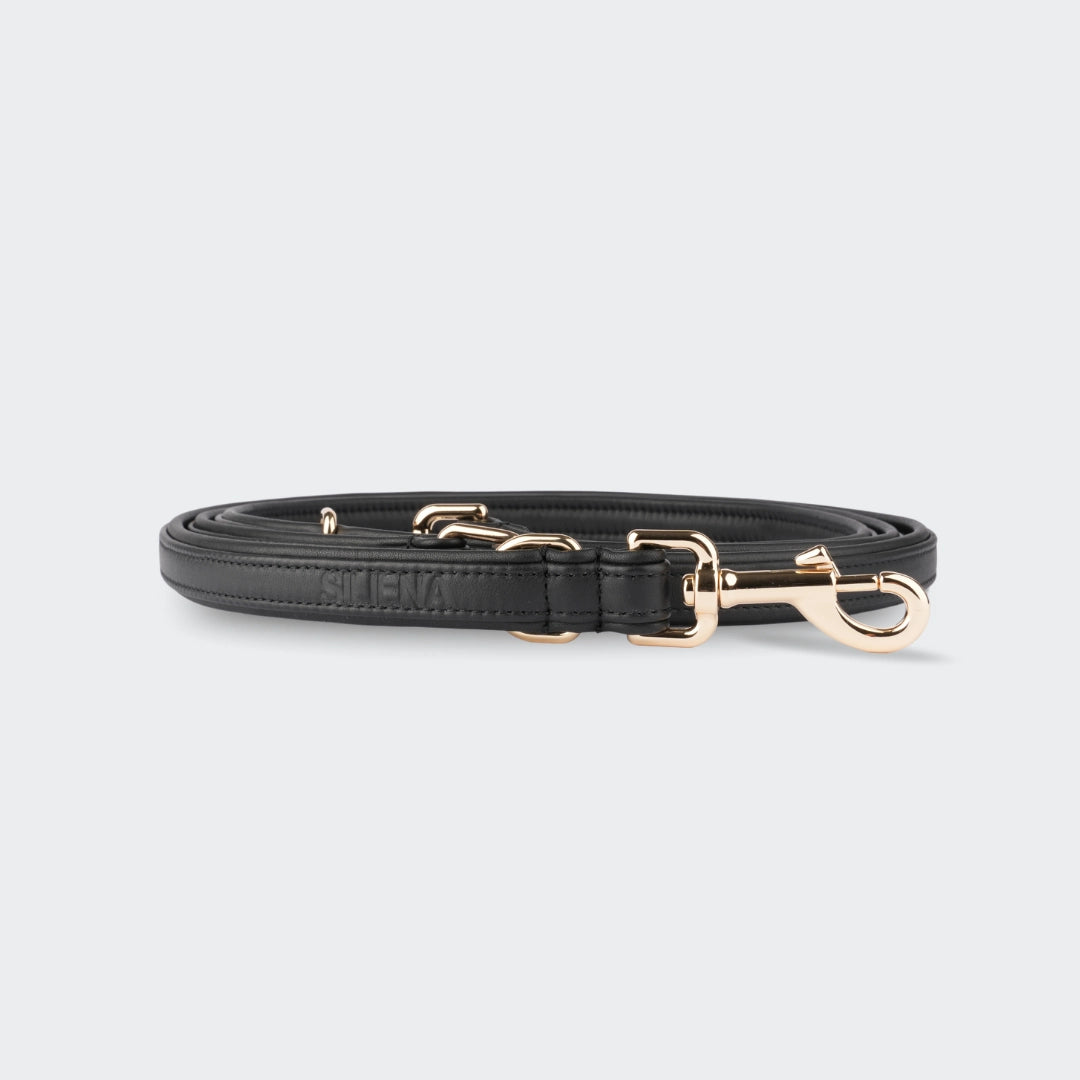
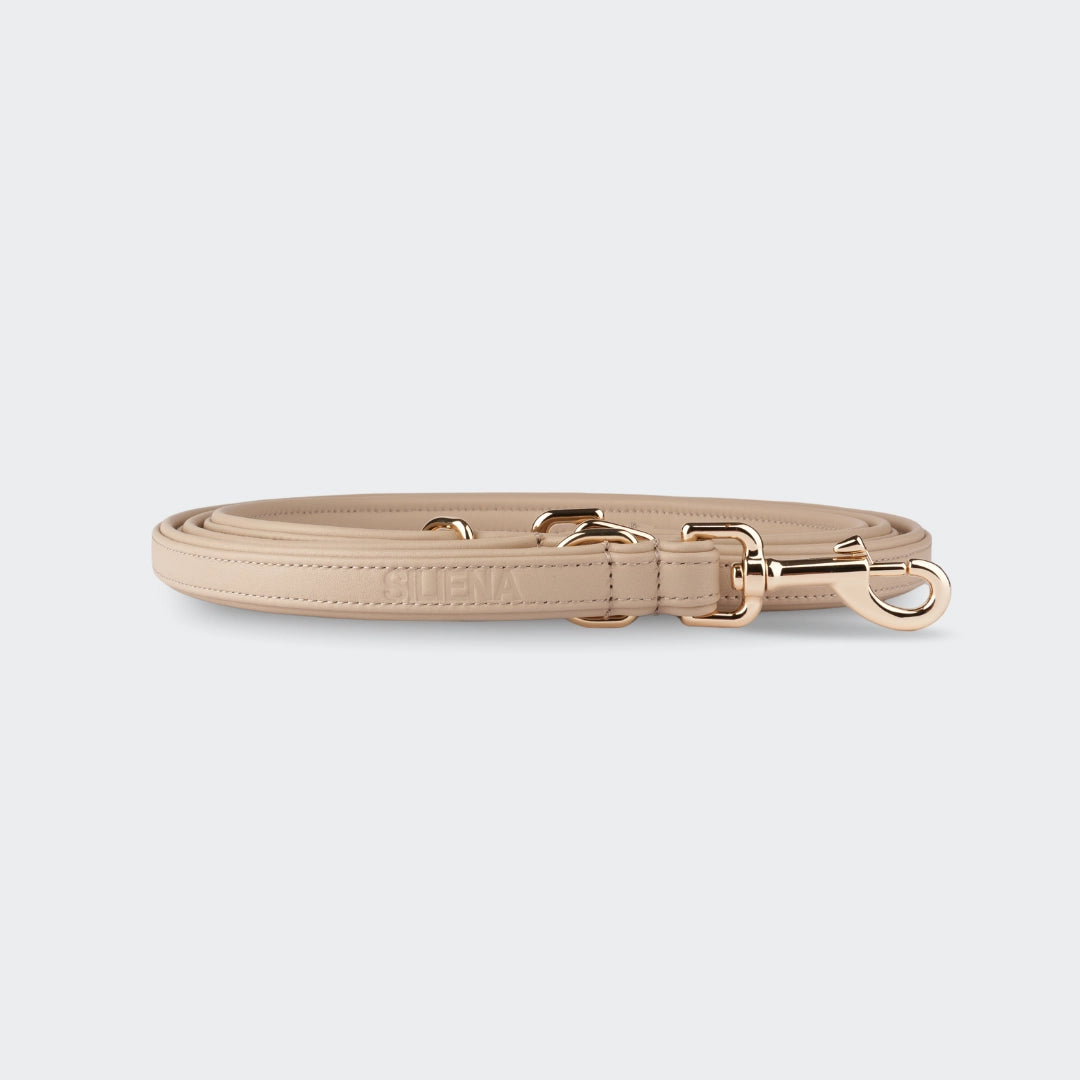
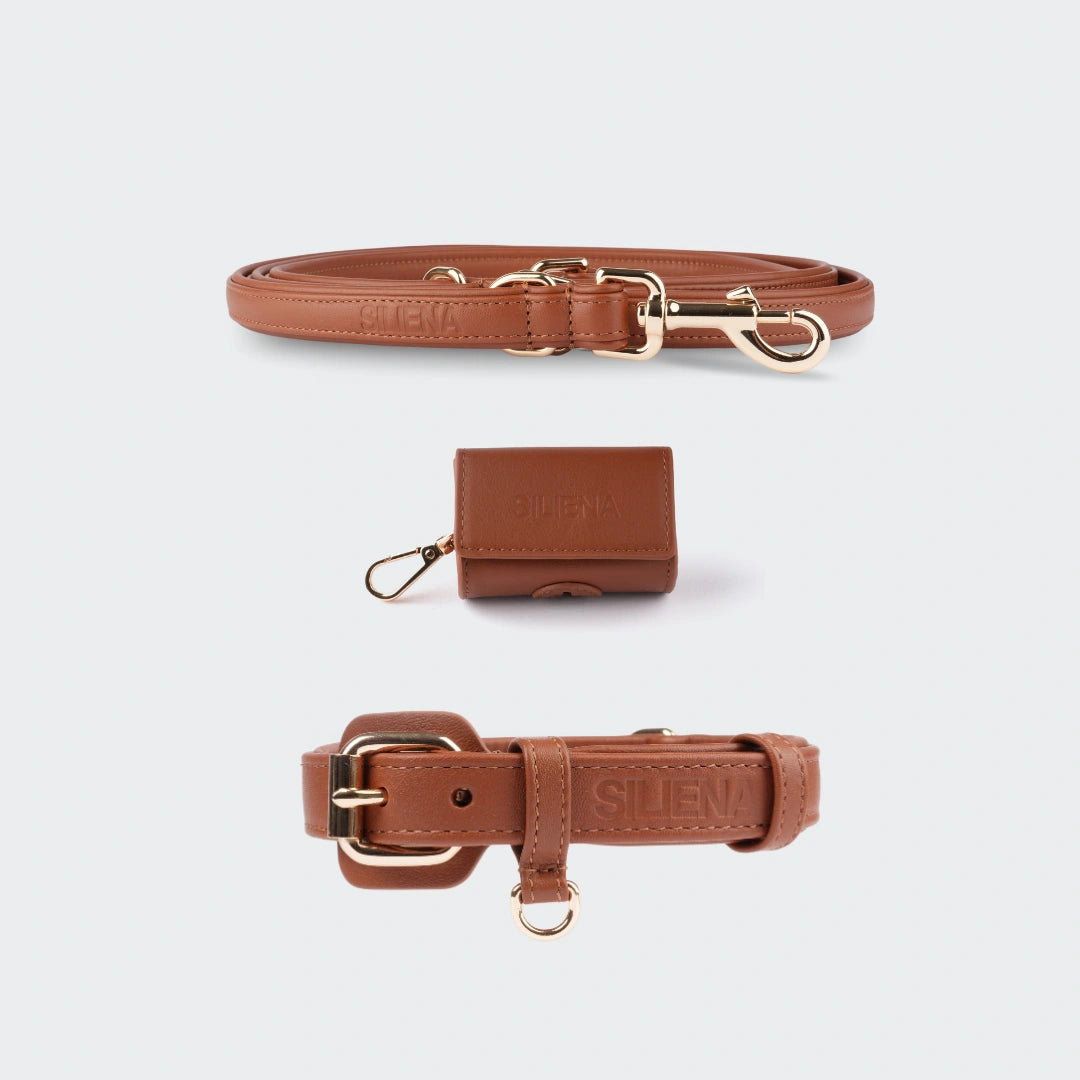
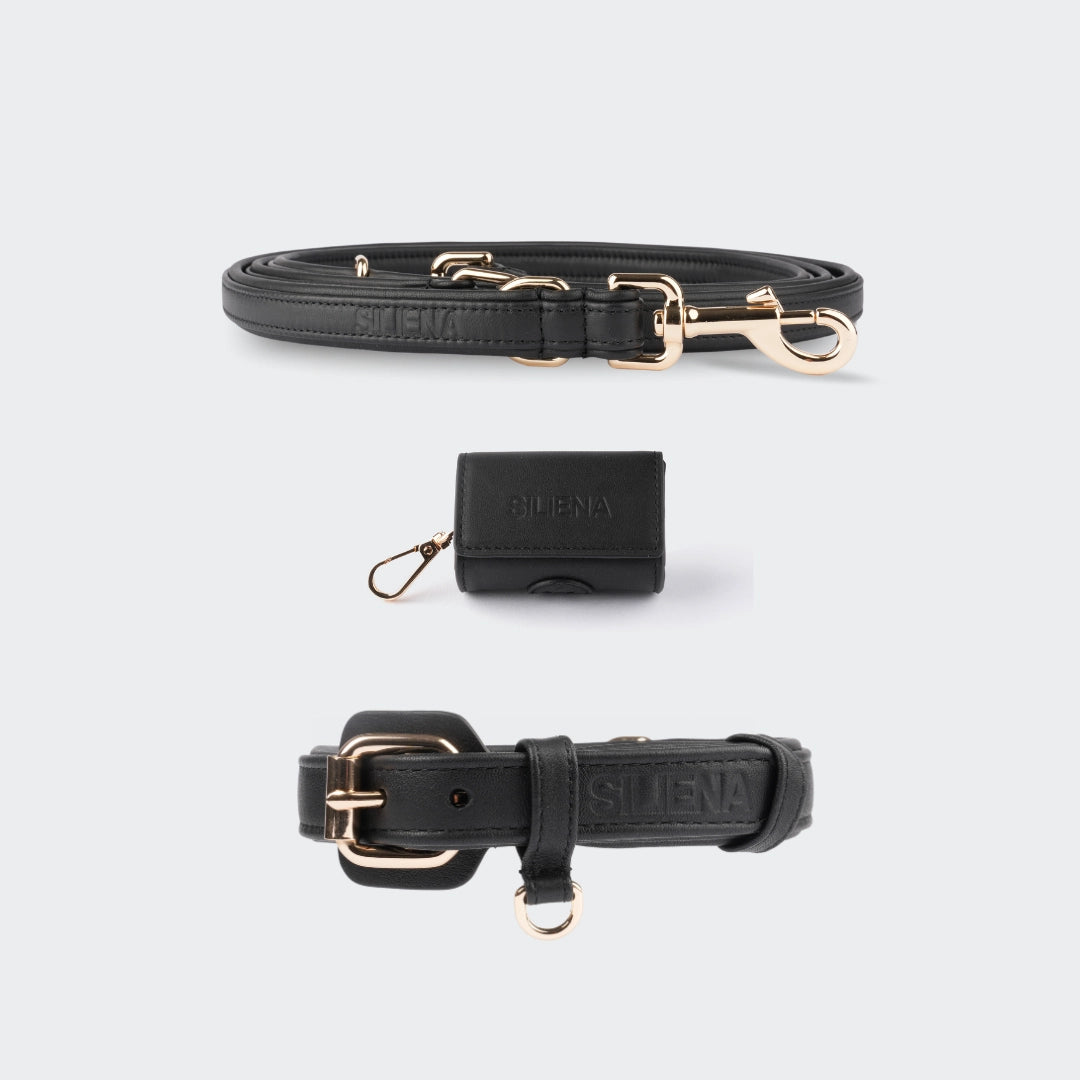
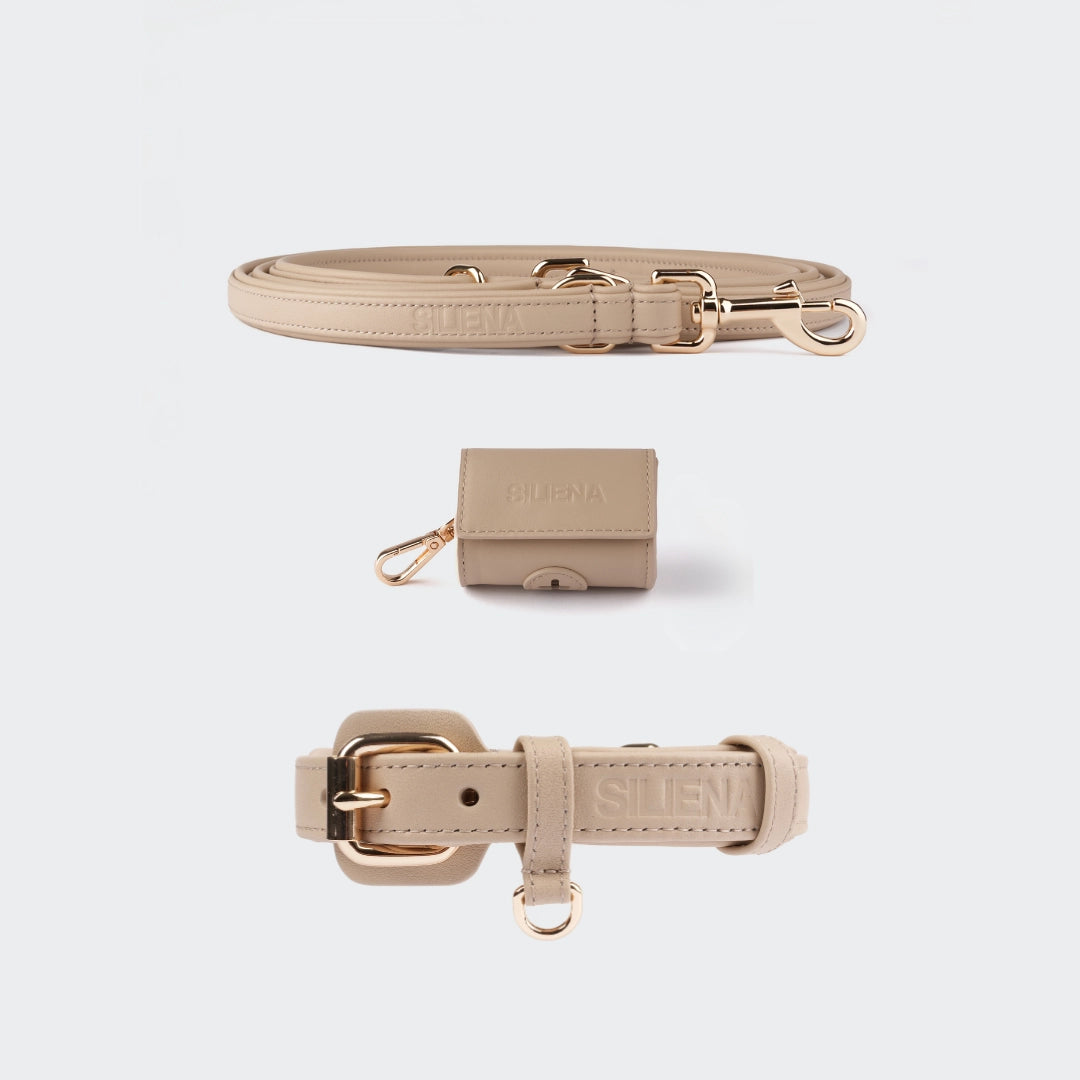
Special focus should be placed on leash manners. When an 80-90 lb dog with the DNA of a freight puller lunges into the lead, it becomes dangerous. A high-quality collar or a well-fitting harness is an absolute must.

Exercise & Mushing Sports: Nordic Style Activity
Long walks are just a "warm-up" for a Malamute. To truly make them happy, they should be allowed to pull.
- Canicross: Running where the dog pulls you.
- Bikejoring / Scootering: The dog pulls a bicycle or a specialized scooter.
- Packdogging: During hikes, the dog wears specialized pack bags (with moderate weight). This gives them a sense of "work" and pride.
Important note on climate: Malamutes are heat-sensitive. Training should be reduced once temperatures reach 60°F (15°C). Above 70°F (20°C), the dog belongs in the shade or a cool basement.
The Malamute in the Garden: "Excavation" Warning!
Malamutes are passionate diggers. In the Arctic, they dug holes in the snow for wind protection or in the summer to find cool earth. If you take pride in a manicured lawn, a Malamute might not be the right partner—or you must provide a designated digging area. Additionally, fences must not only be high but also anchored deep into the ground, as they are famous for tunneling out.
Grooming & Coat: The "Wool Explosion"
Twice a year, the coat "blows." During this time, the Malamute loses its entire undercoat. It’s no exaggeration: you could practically knit a second dog from the fur lost during one cycle. Daily brushing is mandatory during this period to prevent skin irritation. Outside of these phases, the coat is very low-maintenance, as it repels dirt and remains virtually odorless.

Alaskan Malamute Puppies: The Start of the Adventure
Choosing an Alaskan Malamute puppy means bringing a fluffy ball of energy into your home and committing to 12 to 14 years of responsibility. The first few weeks are crucial for laying the foundation of a calm, well-socialized dog.
Choosing the Right Breeder
Because Malamutes can be prone to certain hereditary conditions like Hip Dysplasia (HD) or eye issues, choosing a reputable breeder is paramount. A good breeder prioritizes the health of the parents and begins socialization early. Ensure the puppies are raised with family contact and exposed to various everyday sounds.
Socialization: Discovering the World
A Malamute puppy must learn that the world is not a threatening place. Since this breed becomes very powerful, early positive experiences with other dogs, different people, and various environments are vital. Visit a well-managed puppy class, but ensure your "little polar bear" isn't overwhelmed. Rest periods are just as important as discovery.
Growth and Joint Protection
Malamutes are a large-growth breed. This means they grow fast, but their bones and joints need time to stabilize. In the first months, the rule is: Less is more. Avoid long runs, excessive stair climbing, or jumping out of cars. Overloading during puppyhood can lead to lifelong joint problems.

Breed Profile: Alaskan Malamute at a Glance
| Feature | Details |
|---|---|
| FCI Group | Group 5: Spitz and primitive types (Section 1) |
| Origin | USA (Alaska) |
| Size | Males: approx. 25 in | Females: approx. 23 in |
| Weight | 75 to 100 lbs (varies individually) |
| Eye Color | Always Brown (Blue is a fault) |
| Life Expectancy | 10 to 14 years |
| Character | Friendly, independent, loyal, not a guard dog |
| Activity Level | Very High (Mushing sports recommended) |
| Special Features | Howls ("talks"), loves to dig, highly social |
| Training | Demanding (Experience recommended) |

Conclusion: Is a Malamute Right for You?
The Alaskan Malamute is a wonderful companion for people who seek adventure in nature and don't want a "subservient" pet. They are loyal, gentle with children, and true characters. However, if you have little time, value a perfect garden, or live in a hot top-floor apartment, you should consider a different breed.



Leave a comment
This site is protected by hCaptcha and the hCaptcha Privacy Policy and Terms of Service apply.