

The Akita Inu is one of the most impressive dog breeds in the world. With its calm demeanor, majestic stature, and legendary loyalty to its owner, this Japanese spitz breed has fascinated dog lovers for centuries. However, acquiring an Akita should never be based solely on its stunning looks or the famous story of Hachikō. The Akita is a dog with a complex personality—a proud individualist that demands sovereign leadership. In this comprehensive breed profile, you will learn everything about the Akita Inu temperament, its specific training needs, and why owning one requires a special kind of responsibility.
Table of Contents
- Origin & History
- Appearance & Breed Characteristics
- Akita Inu vs. Shiba Inu: The Key Differences
- Temperament & Personality
- Family Life & Kids
- Training & Education
- Exercise & Activity Needs
- Health & Wellness
- Grooming & Coat Care
- Nutrition & Diet
- Apartment, City & Climate
- Akita Puppies
- Buying & Costs: Breeder Quality
- Is the Akita Inu Right for You?
- Breed Profile (Quick Facts)
Origin & History
The roots of the Akita Inu lie in the Akita Prefecture on the northern part of Honshū island, Japan. Originally, they were known as "Matagi Inu", meaning "hunting dog for large game." Their task was to track bears, wild boars, and deer and hold them at bay until the hunters arrived. This past explains much of their modern character: courage, determination, and a high degree of independence.
Over the centuries, their role shifted from hunting to guarding and protection. In 1931, the Akita Inu was officially declared a Japanese Natural Monument. They are far more than just pets; they are a cultural treasure. The story of Hachikō, the loyal dog who waited daily at Shibuya Station for his deceased master in the 1920s, continues to shape the breed's image worldwide as the epitome of loyalty.

Appearance & Characteristics
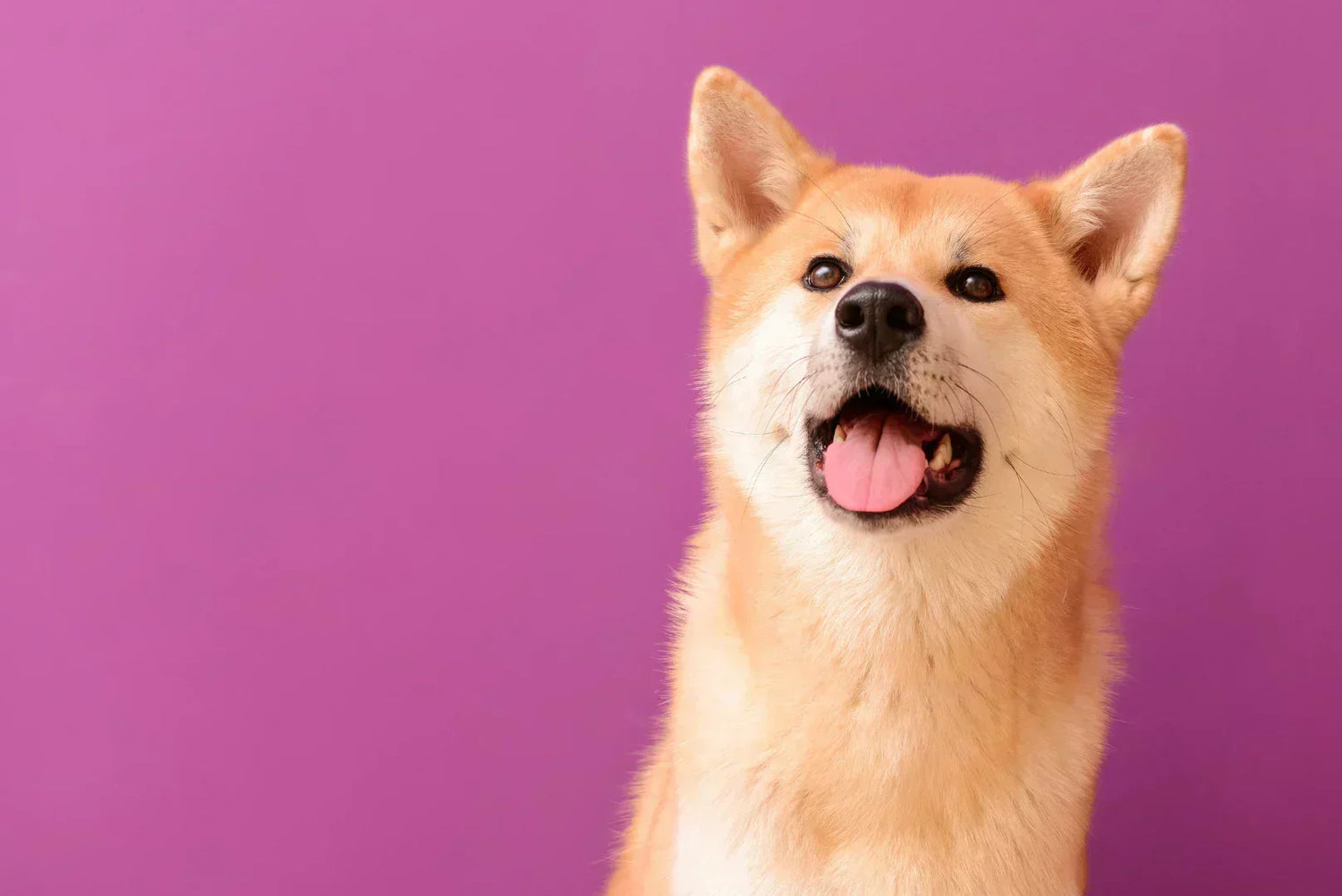
The Akita Inu is a large dog whose physique radiates power and dignity. They appear massive but not clumsy. Their facial features remind many of a bear, underscored by their characteristic small, triangular, erect ears.
- The Tail: A striking feature is the thick, plush tail that curls tightly over the back.
- The Coat: It consists of a coarse, straight outer coat and a soft, dense undercoat, providing excellent insulation.
- Urajiro: An essential trait (except in white dogs) is the "Urajiro"—whitish markings on the sides of the muzzle, cheeks, underside of the jaw, neck, chest, belly, and inside of the legs.
Akita Inu vs. Shiba Inu: The Japanese Siblings
Anyone interested in Japanese dogs inevitably encounters the Shiba Inu. Although both breeds look similar (Spitz type, curled tail), there are fundamental differences:
- Size & Strength: The most obvious difference. While the Shiba is a compact companion (approx. 20-25 lbs), the Akita can weigh over 100 lbs. Physically, an Akita is much harder to handle in daily life.
- Temperament: The Shiba is often described as spirited, "cheeky," and active. The Akita, on the other hand, is calmness personified. They are prudent guardians who observe rather than react impulsively.
- Barking: The Shiba is known for the "Shiba Scream" and can be quite vocal. The Akita is an extremely quiet dog that rarely barks without a valid reason.
- Living Situation: A Shiba fits easily into urban environments; an Akita usually requires more space and a quieter environment due to their presence and protective instincts.
Temperament & Personality
The Akita is not a dog that strives to please everyone. Their nature is often described as "cat-like": they are clean, quiet indoors, and do not bark unnecessarily. However, behind this calm façade lies a strong personality.
- Independence: An Akita thinks for themselves. They do not blindly follow commands but weigh whether they make sense.
- Aloofness: They are reserved towards strangers. They clearly show that they have no interest in superficial petting from people they don't know.
- Other Dogs: This is the biggest challenge. Many Akitas show marked dominance towards other dogs, especially those of the same sex.

Family Life
Within their "pack," the Akita shows a gentle, almost protective side. They are usually very patient with children in their own household. However, they appreciate a structured daily routine and like to retreat to their spot. Due to their high protective instinct, you should be vigilant with visiting children—the dog might misinterpret wild play as a threat to "their" family.
Training & Education
Training is based on mutual respect. You will look for blind obedience in vain here. If the bond is right, the Akita will do anything for their human.
- Positive Reinforcement: Praise and rewards work much better in dog training than pressure or harshness.
- Leadership: If the Akita feels their human is unsure or inconsistent, they will take over decision-making.
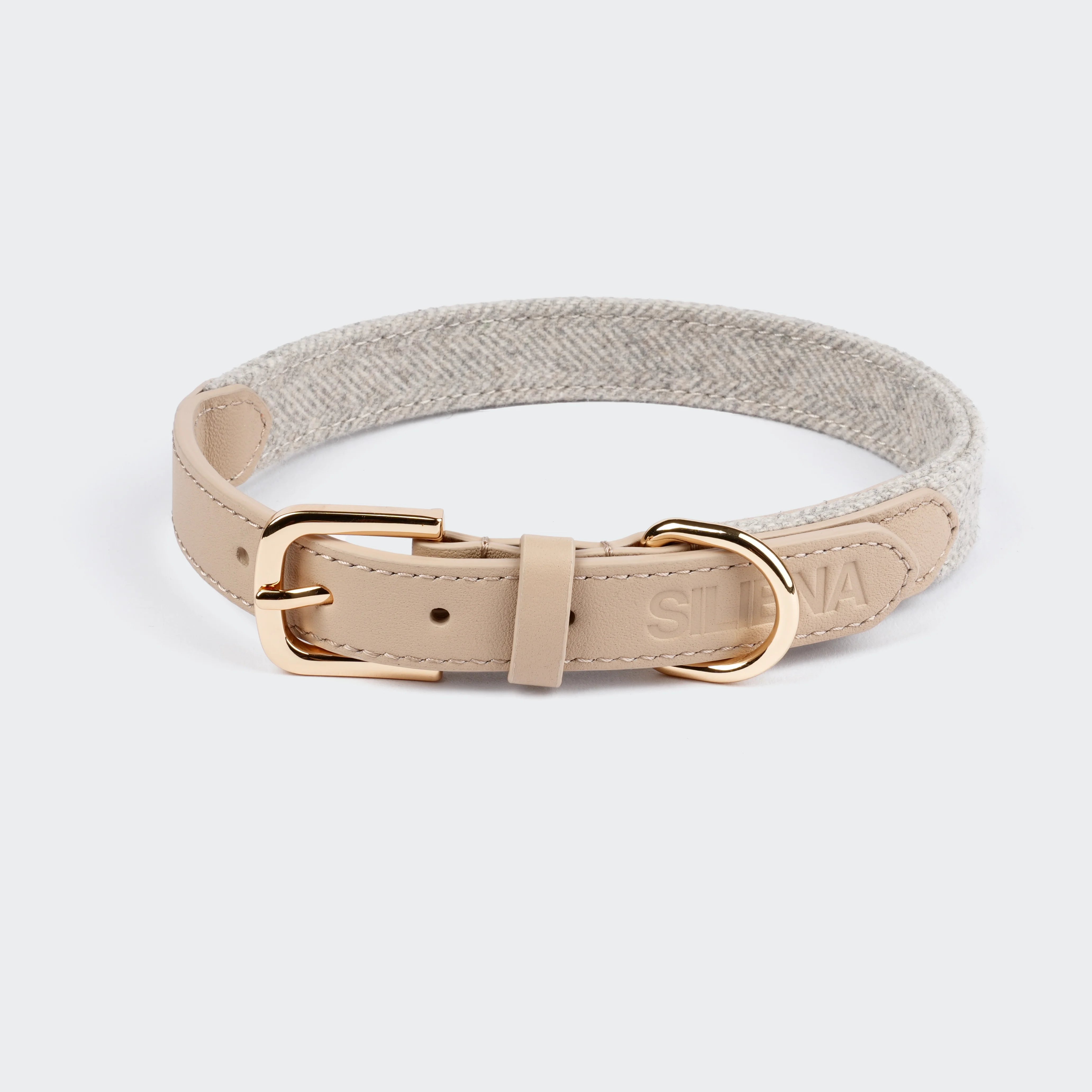
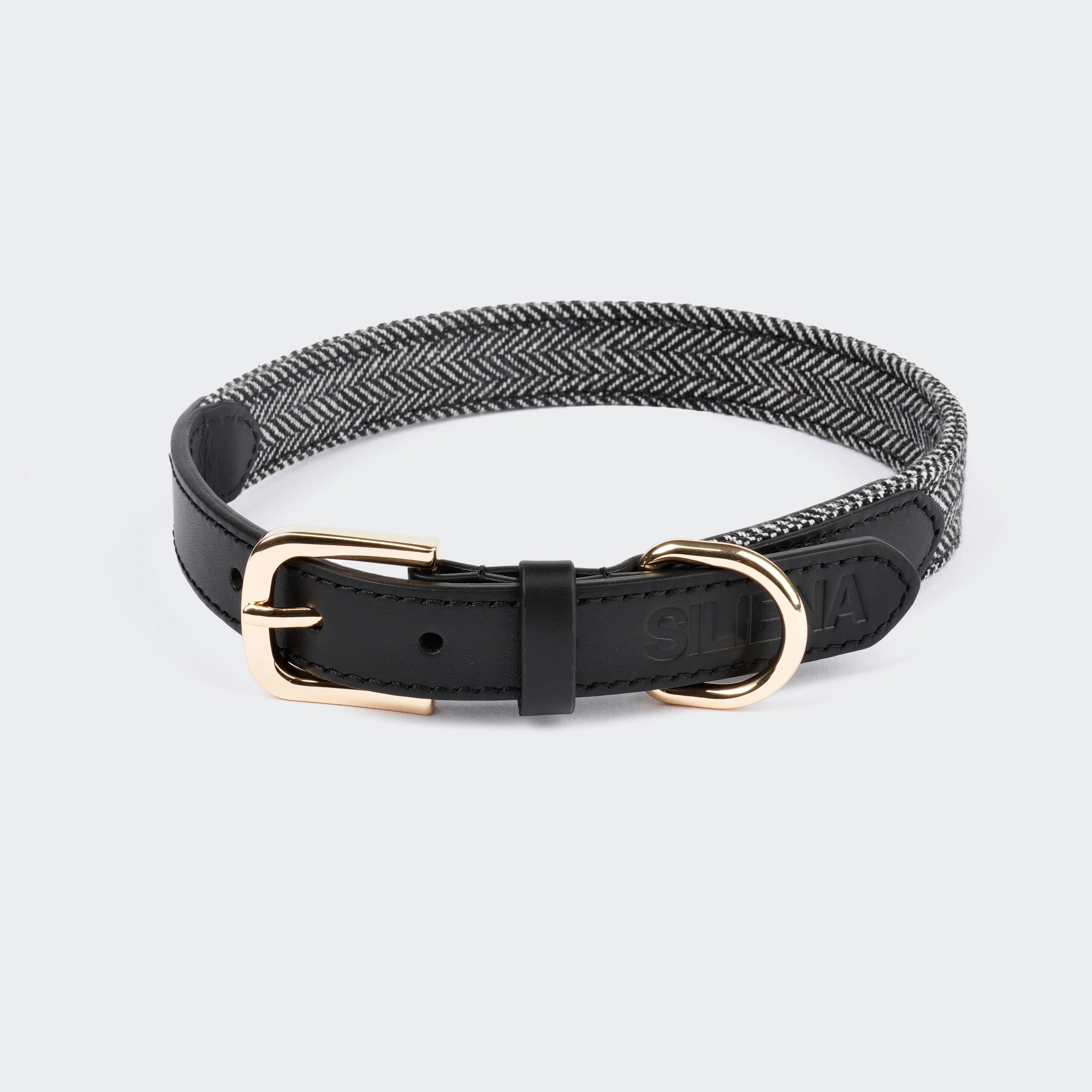
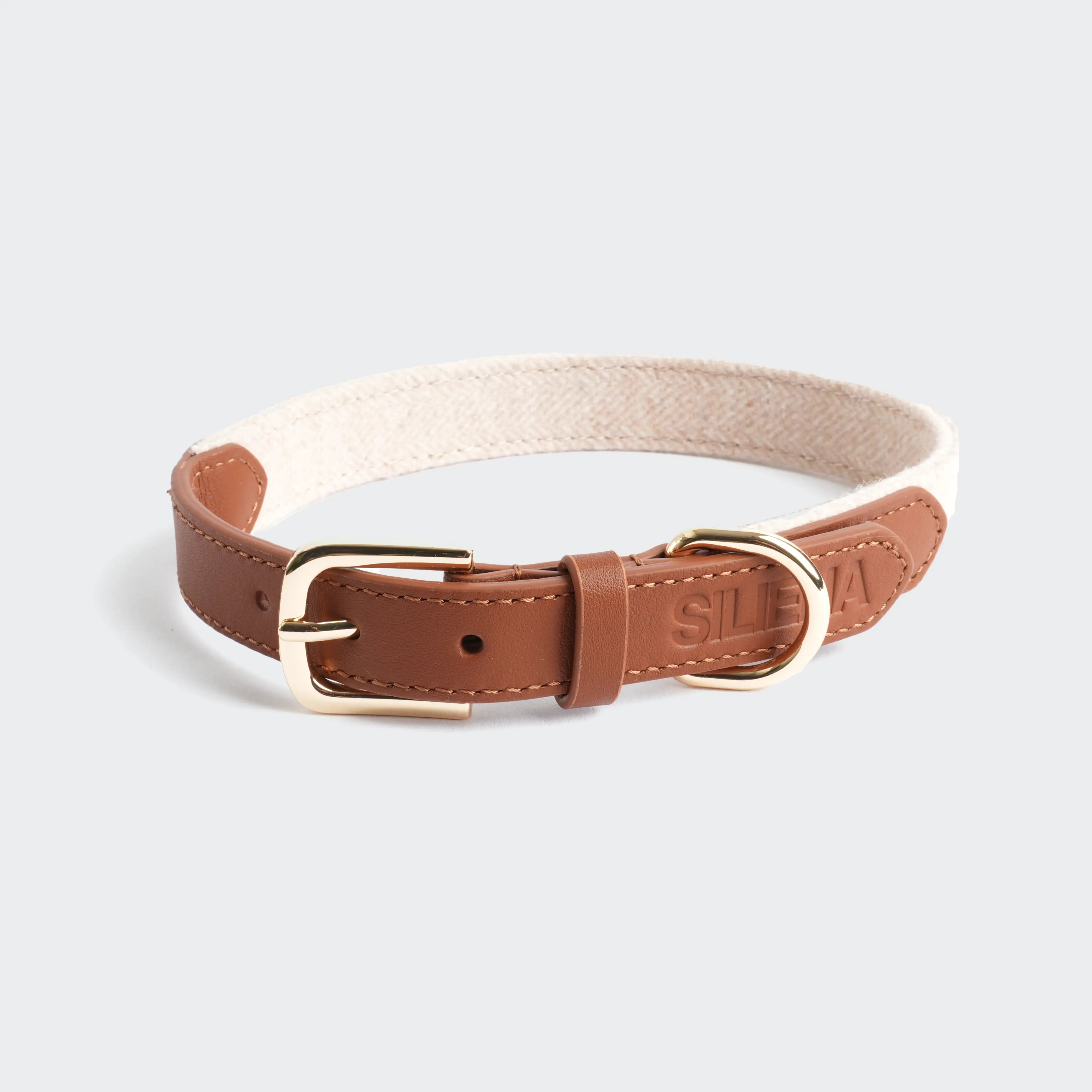
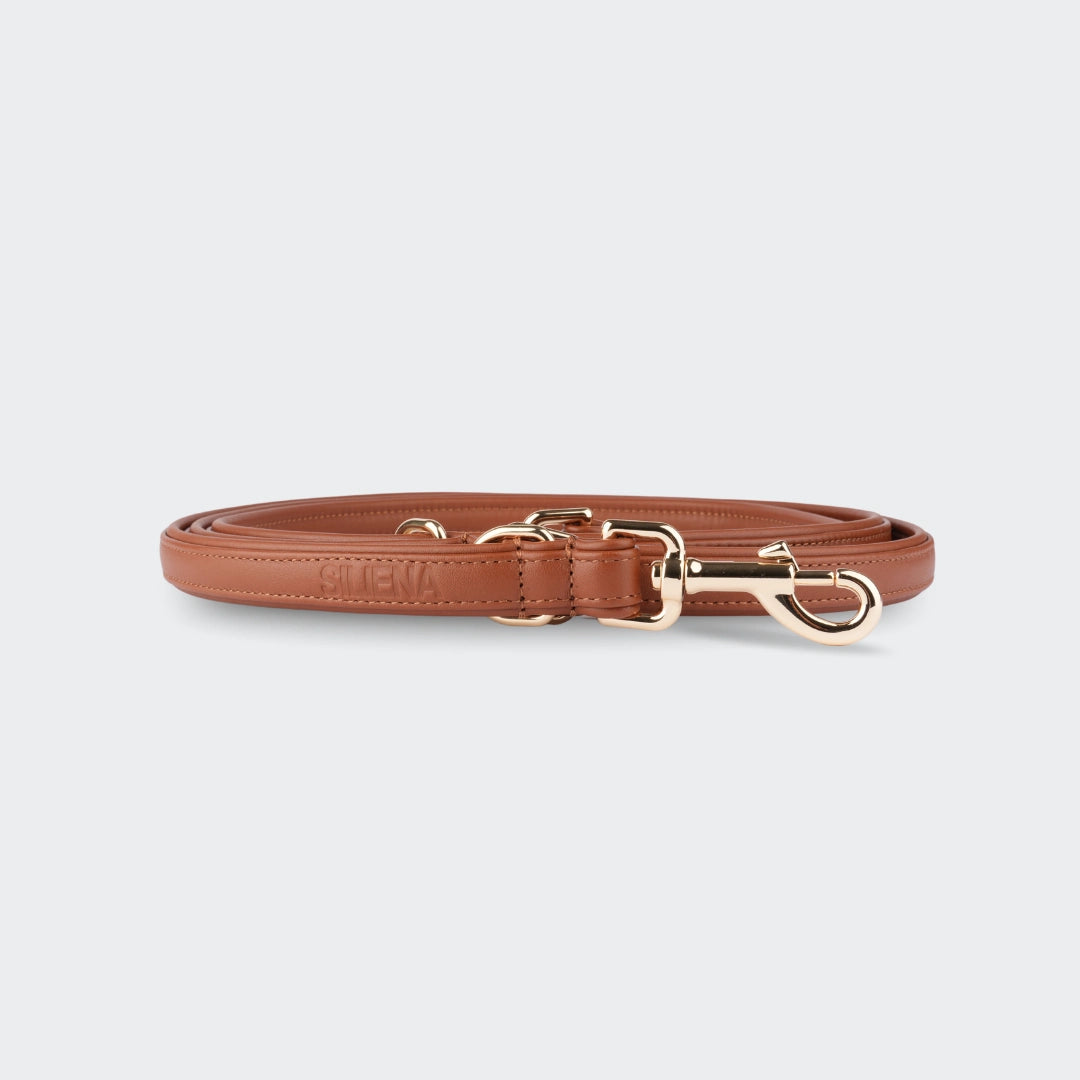
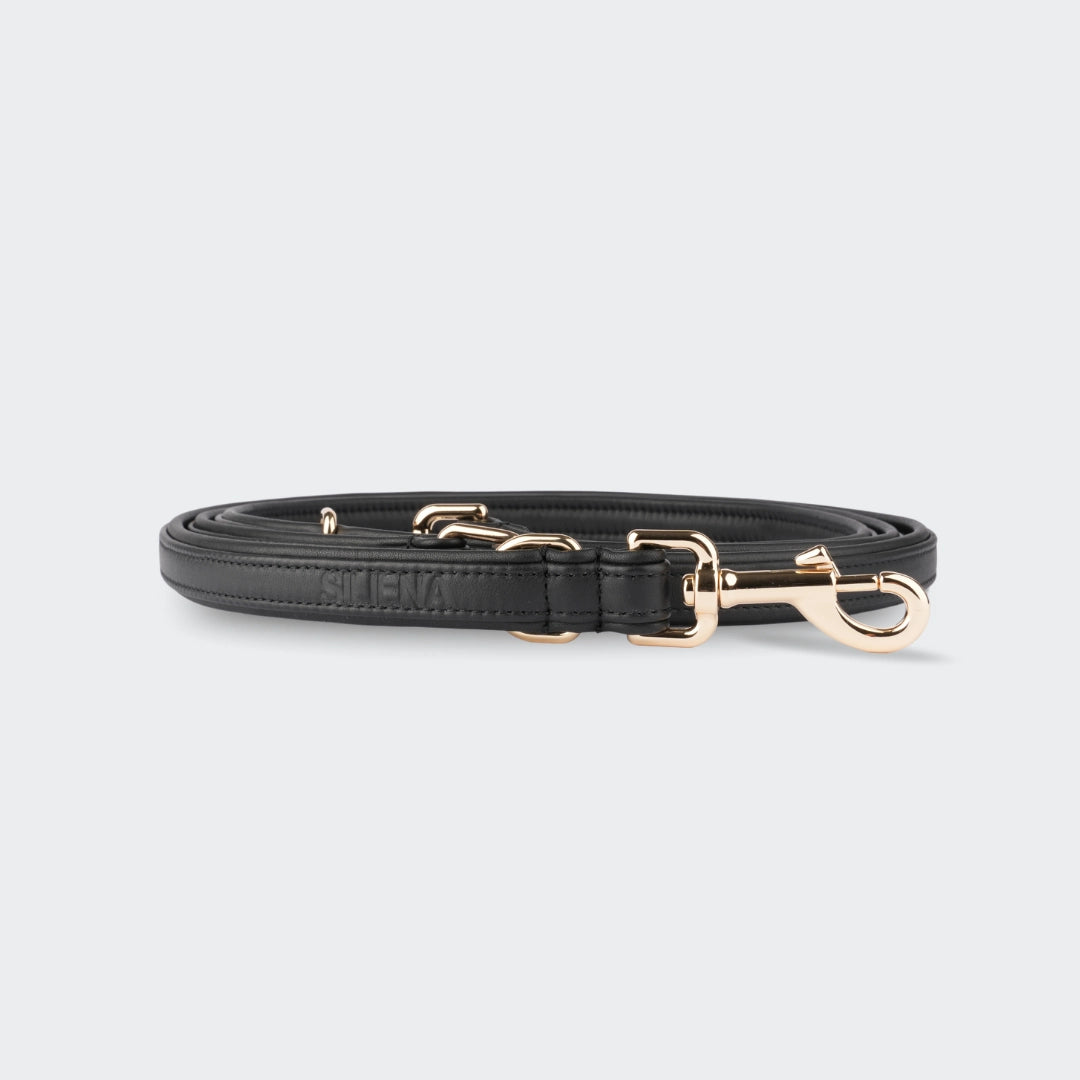
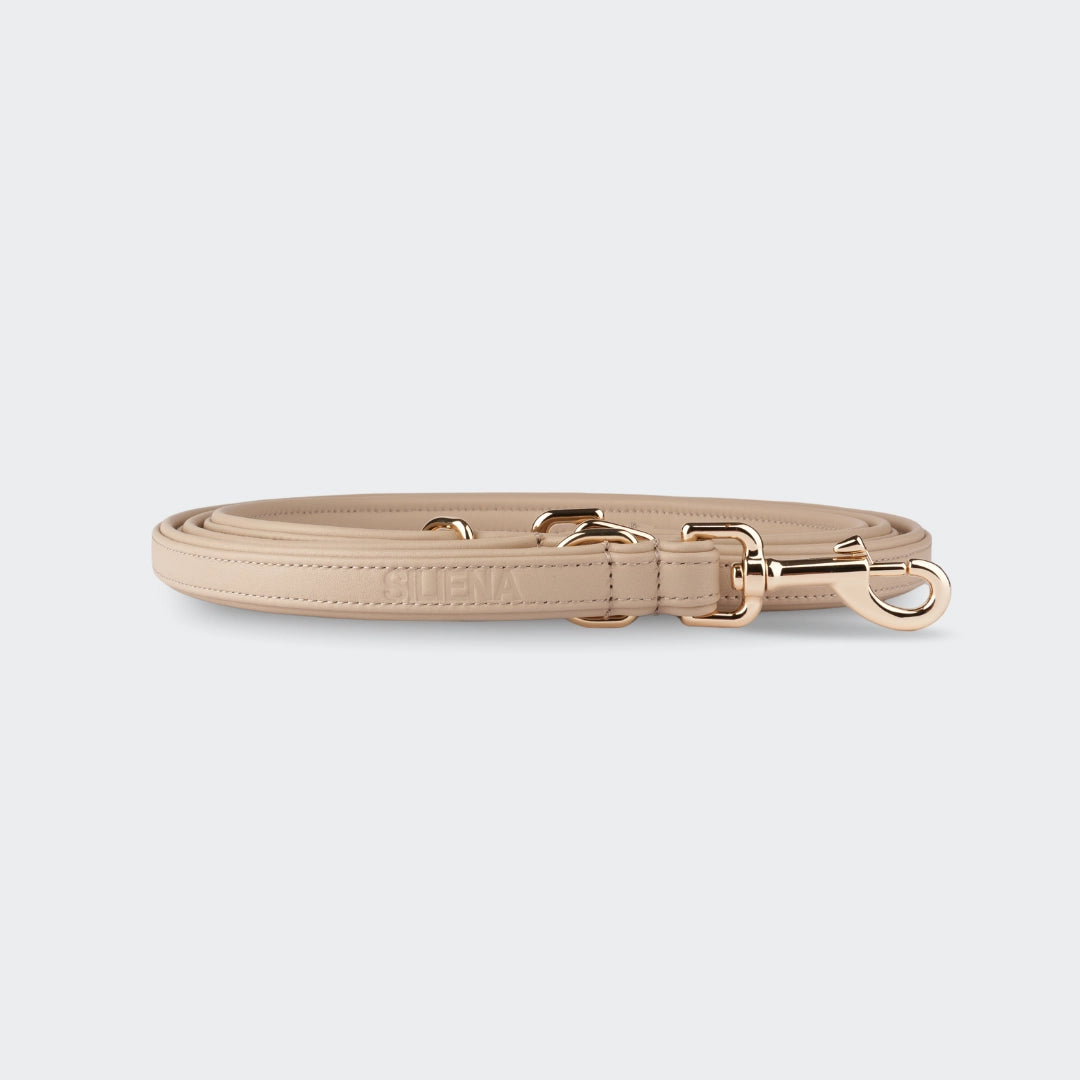
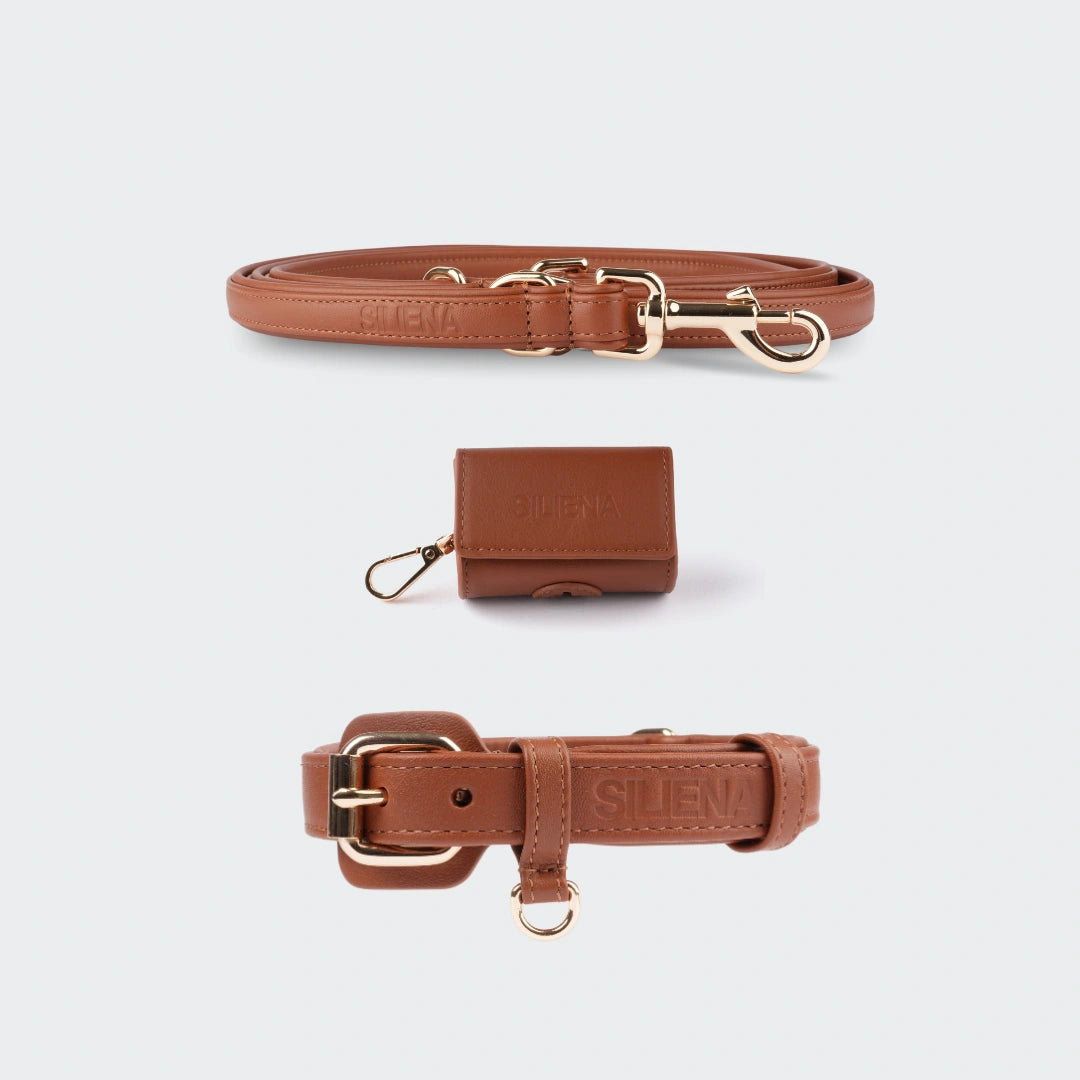
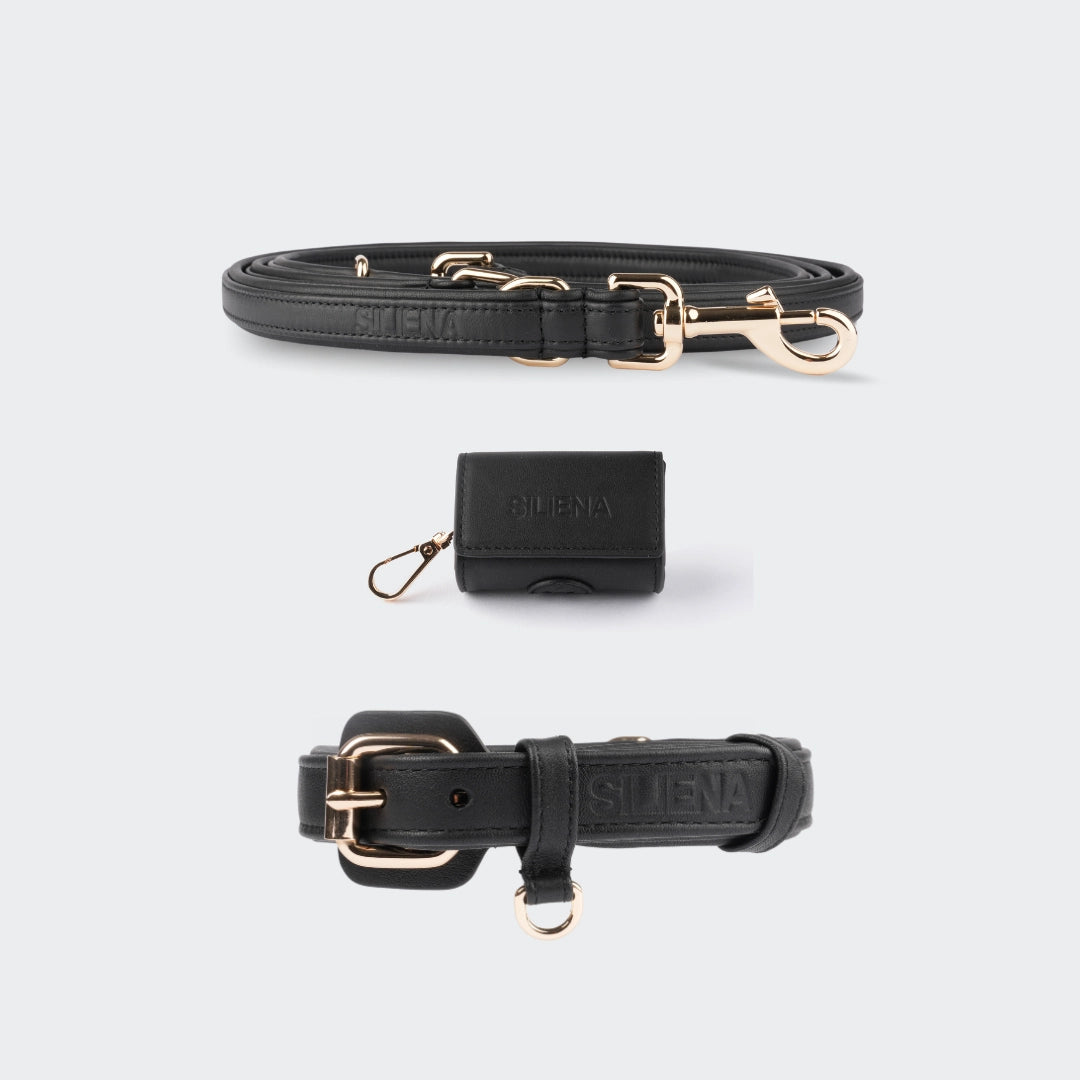
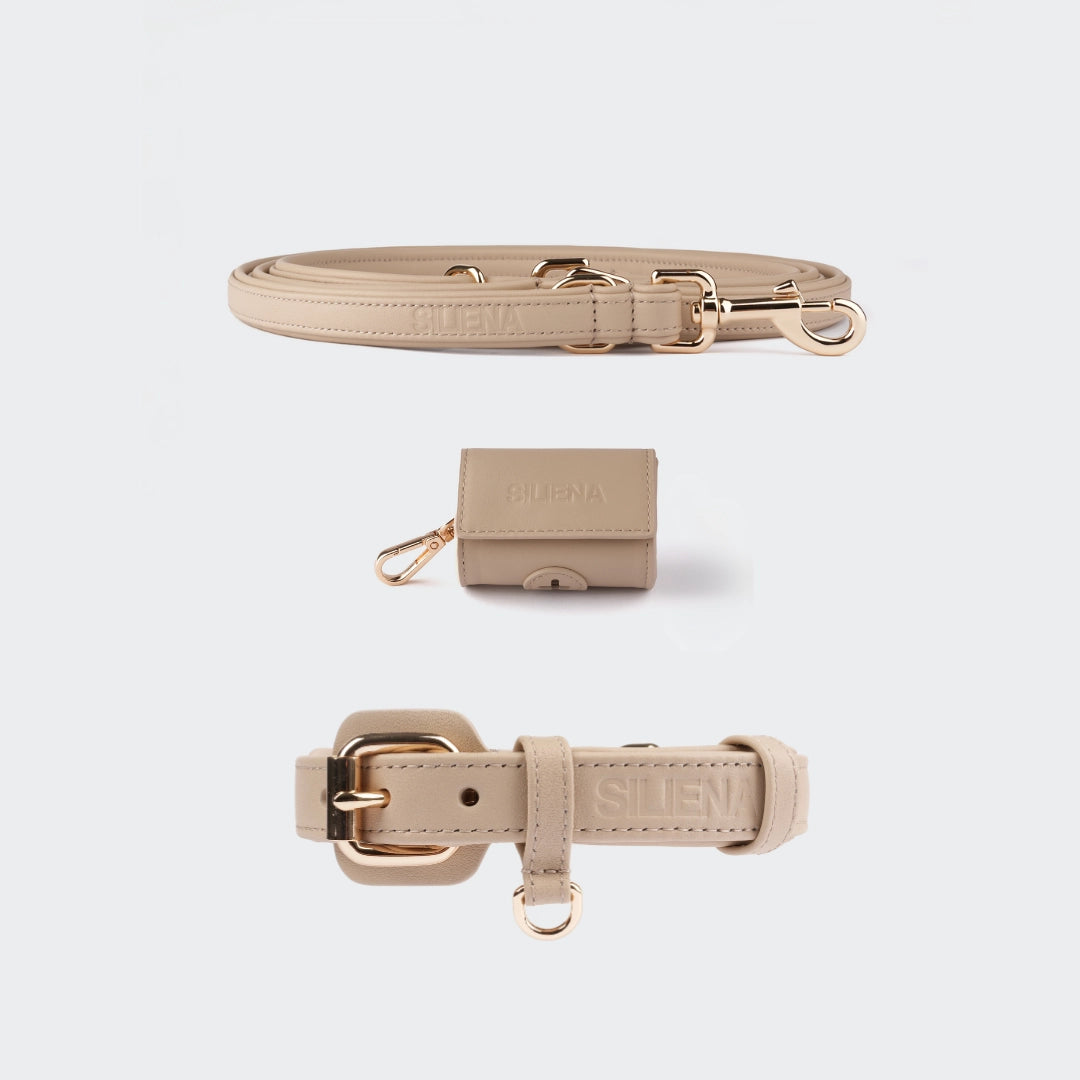
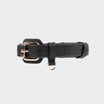
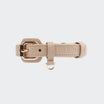
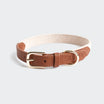
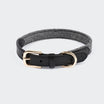
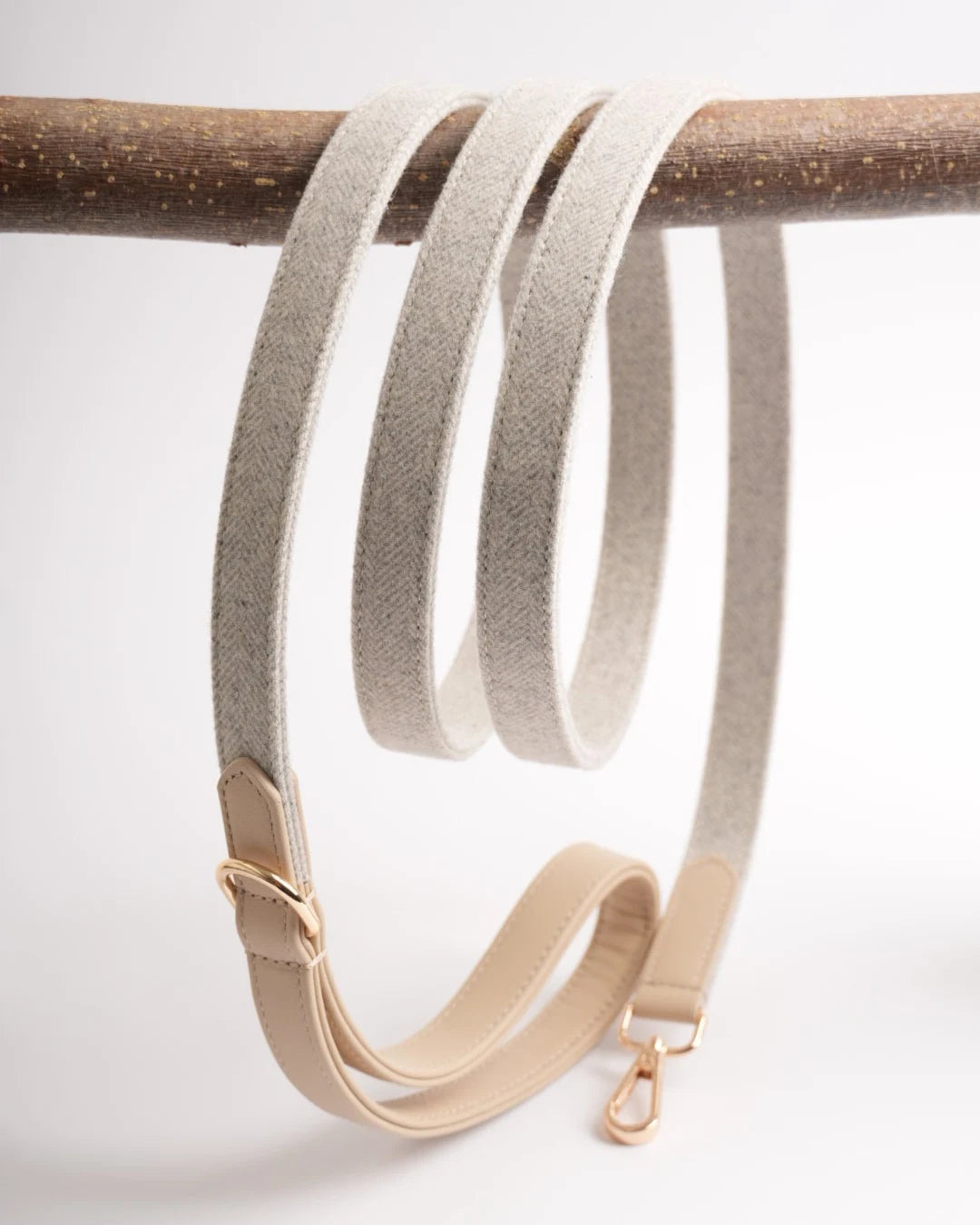
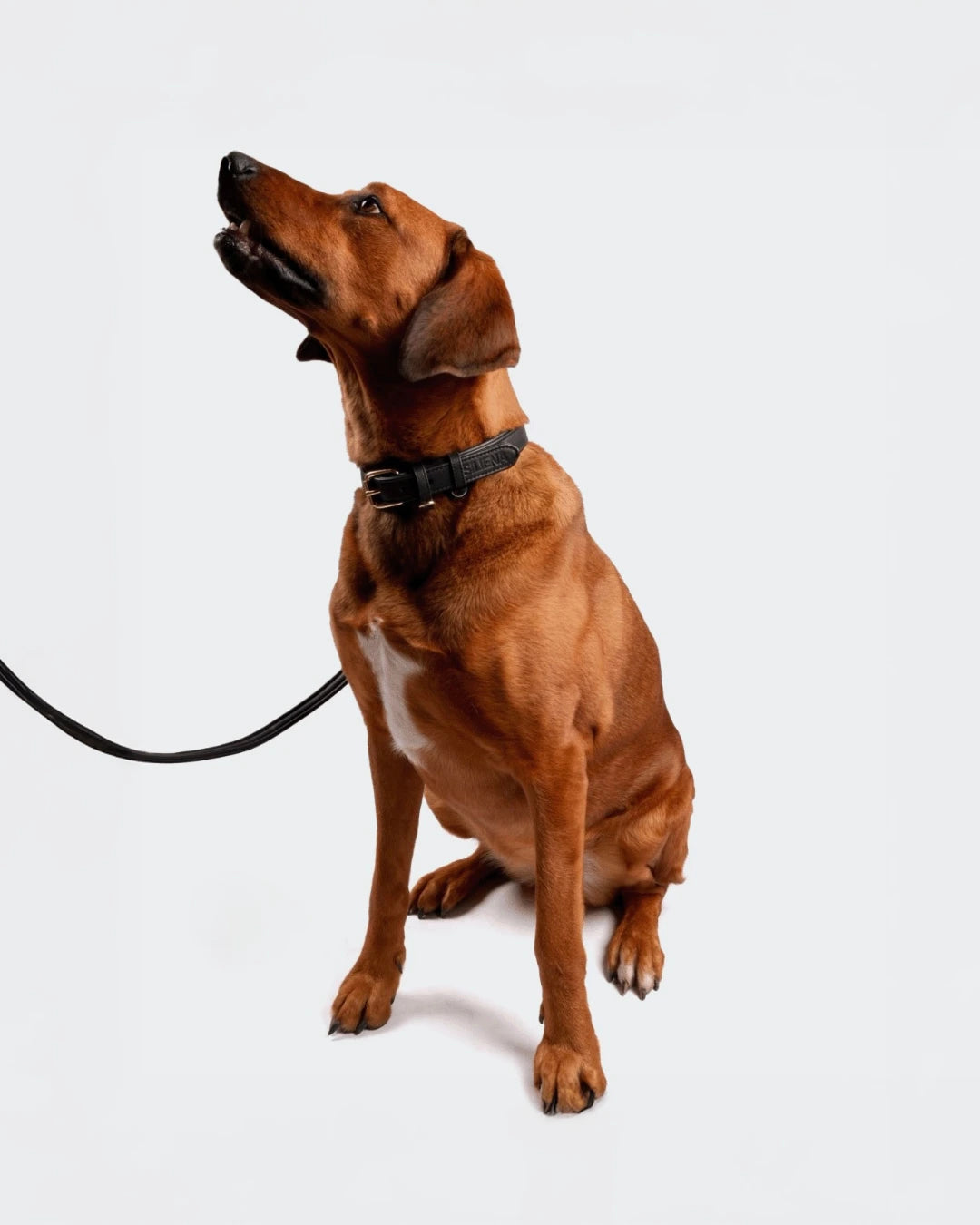
- Gear: Due to their strength, we recommend wide leather collars or high-quality harnesses that offer safety and comfort.

Exercise & Activity Needs
The Akita is not a workaholic. They appreciate long, quiet walks. Dog tricks, scent work, or mantrailing suit them very well, as they can use their intelligence in a controlled manner. Hectic sports like Agility are usually less appealing to them.
Health & Wellness
The life expectancy is about 10 to 14 years. Be aware of the following breed predispositions:
- Sebadenitis: An inflammation of the sebaceous glands (skin issue).
- VKH Syndrome: An autoimmune disease affecting the eyes and skin pigmentation.
- Bloat (Gastric Torsion): A risk for large dogs. Feed small portions and avoid vigorous activity right after eating.
Grooming & Coat Care
The Akita is very clean and has little "doggy odor." However, during shedding season (twice a year), they "blow their coat," losing their entire undercoat within a few weeks. During this time, daily brushing is mandatory to tame the masses of hair in your home and keep the skin healthy.

Nutrition: A Sensitive Gourmand
Many Akitas are prone to allergies. A high-quality diet with a high meat content and without unnecessary fillers is essential. Since the breed can be prone to thyroid issues, regular blood work is advisable.
Apartment, City & Climate
Indoors, the Akita is a quiet observer. Living in the city is possible if they get enough mental and physical stimulation, but they prefer rural, quiet areas. Climate: They love snow and cold but suffer in extreme summer heat. Shade and cool resting places are vital in summer.
Akita Puppies
Socialization between 8 and 16 weeks is crucial. They should be introduced to everything, but without being overwhelmed. Find tips for getting started in our Puppy Training Guide.

Buying & Costs
A puppy from a reputable breeder typically costs between $2,000 and $3,500. Responsible breeders test parents for hip dysplasia (HD) as well as eye and skin diseases. Avoid "bargain" offers online at all costs.
Conclusion: Is the Akita Right for You?
The Akita Inu is a partner on equal footing. They suit people who radiate calmness, practice consistency, and appreciate an independent character. They are not servants, but proud companions for life.

Breed Profile: Akita Inu
| Category | Details |
|---|---|
| Origin | Japan (Akita Region) |
| Height | Males: 25–27.5 in | Females: 23–25 in |
| Weight | 65–110 lbs (30–50 kg) |
| Coat Type | Double coat (straight outer coat, dense undercoat) |
| Life Expectancy | 10–14 years |
| Temperament | Loyal, independent, calm, alert |
| Good for Beginners? | No. Requires dog experience and leadership. |
| Trainability | Challenging (independent thinker) |
| Activity Level | Moderate (prefers long walks) |



Leave a comment
This site is protected by hCaptcha and the hCaptcha Privacy Policy and Terms of Service apply.