








For many, New Year's Eve is a joyous celebration. For our dogs, however, the turn of the year often means stress, fear, or even sheer panic. Loud firecrackers, bright flashes of light, and the biting smell of gunpowder overwhelm our four-legged friends' senses—especially sensitive dogs often suffer tremendously.
But you are not helpless. This Siliena Guide provides you with proven strategies: from life-saving leash safety during walks to the perfect schedule for December 31st, and modern behavioral insights: Should I comfort my dog?
Table of Contents
- Why New Year's Eve is So Stressful for Dogs
- Life-Saving: Proper Securing
- Preparation: Days & Weeks Before
- The Dec 31st Schedule (Checklist)
- The "Bunker Strategy" for Your Home
- Insider Tip: The Airport as a Silent Oasis
- Myth: Should You Comfort Anxious Dogs?
- Emergency Plan for Acute Panic
- Conclusion
Why New Year's Eve is So Stressful for Dogs
Dogs experience the world much more intensely than we do. Their hearing reaches frequency ranges hidden from us, and their sense of smell is highly sensitive. To a dog, a firecracker isn't just "loud"—it is a physically palpable pain in the ear.
The main issue is the loss of control: The dog cannot pinpoint the source of the noise or flashes. There is no warning. For them, it feels like an acute, life-threatening danger from which they cannot escape.

Life-Saving: Proper Securing
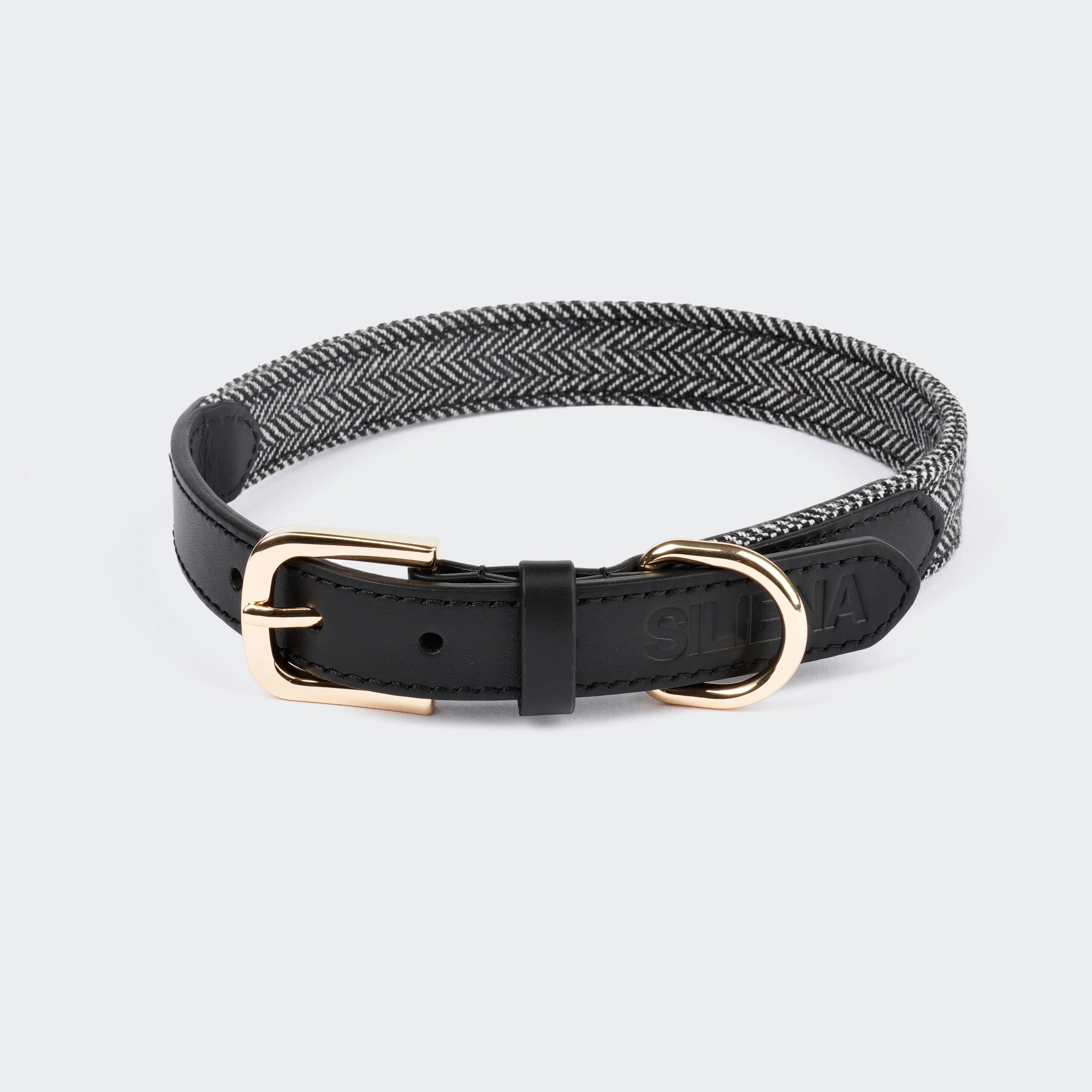
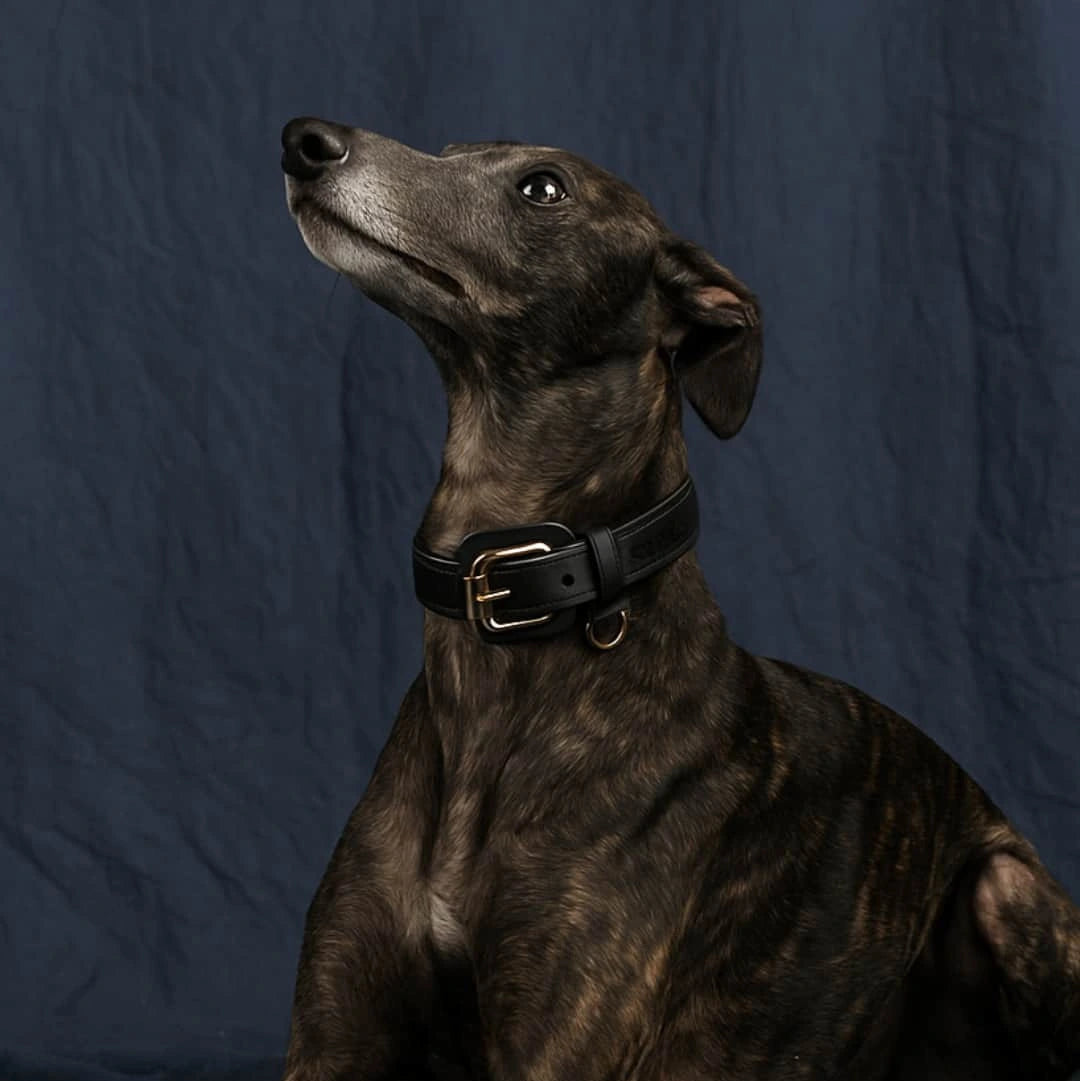
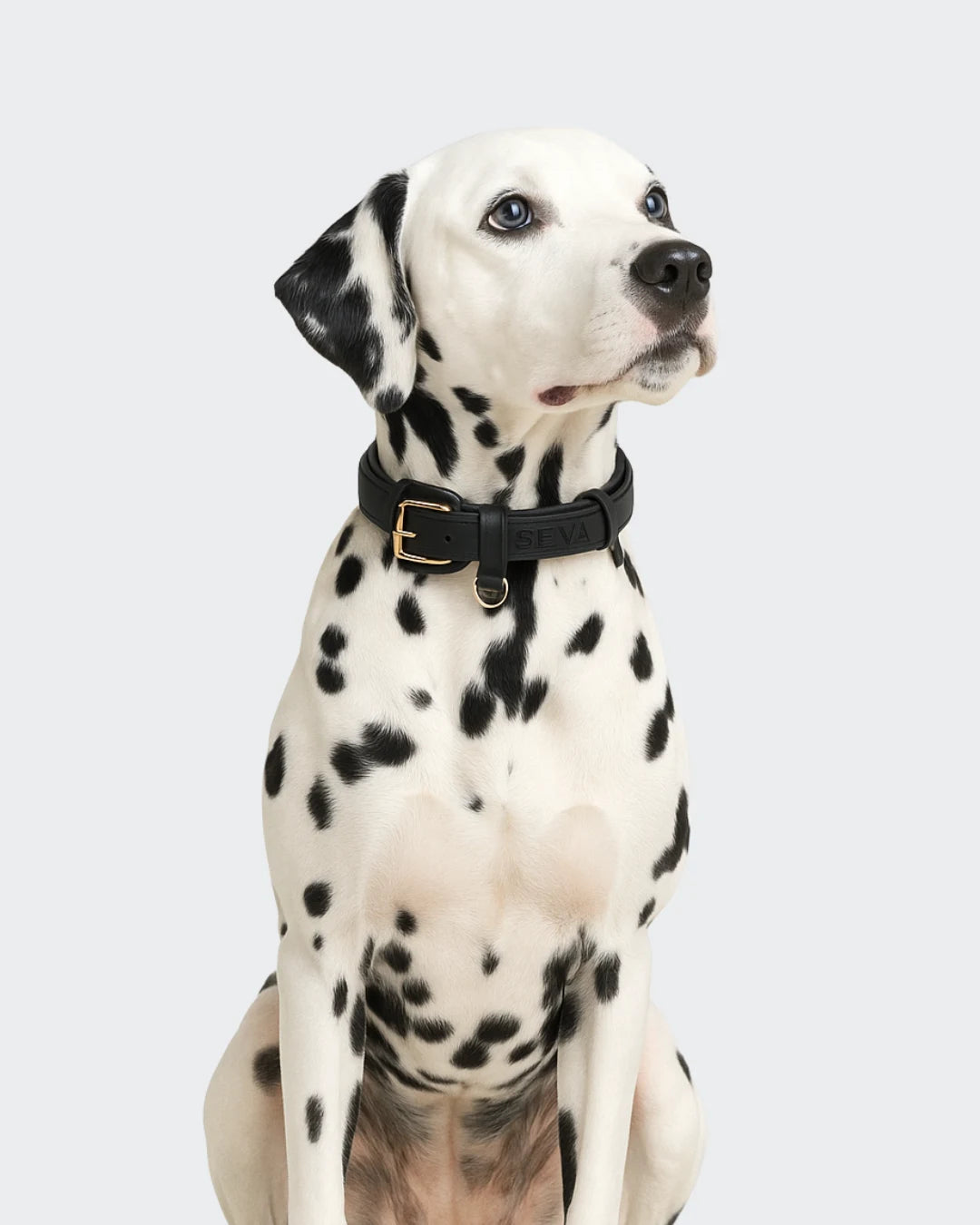
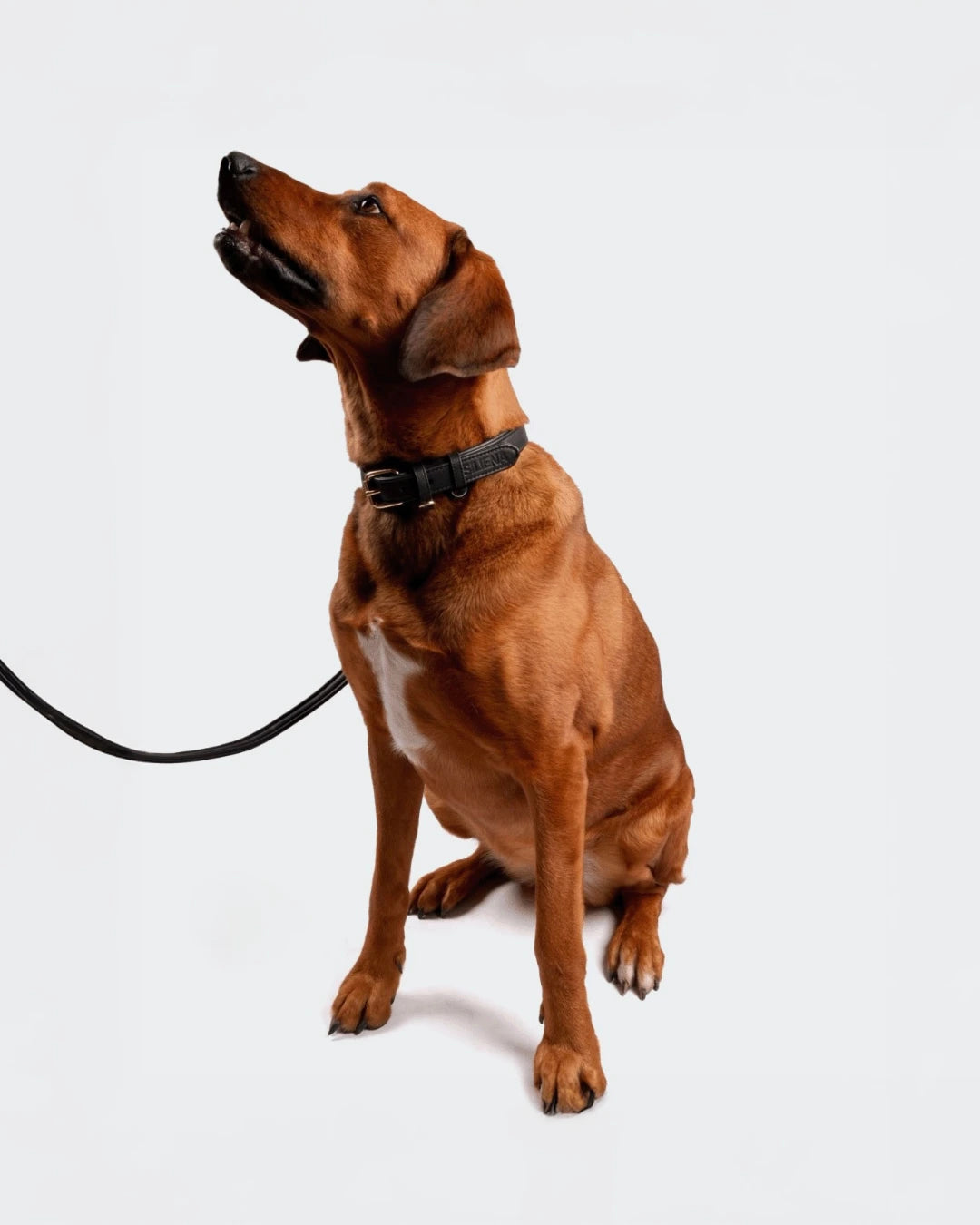
Every year on New Year's Eve, hundreds of dogs go missing because they slip their collars in a panic. A single bang in the afternoon is enough to trigger a blind flight response.
The most important rule for December 29th through January 2nd:
- No Off-Leash Time: Not even in the yard, unless the fence is 100% escape-proof and high enough.
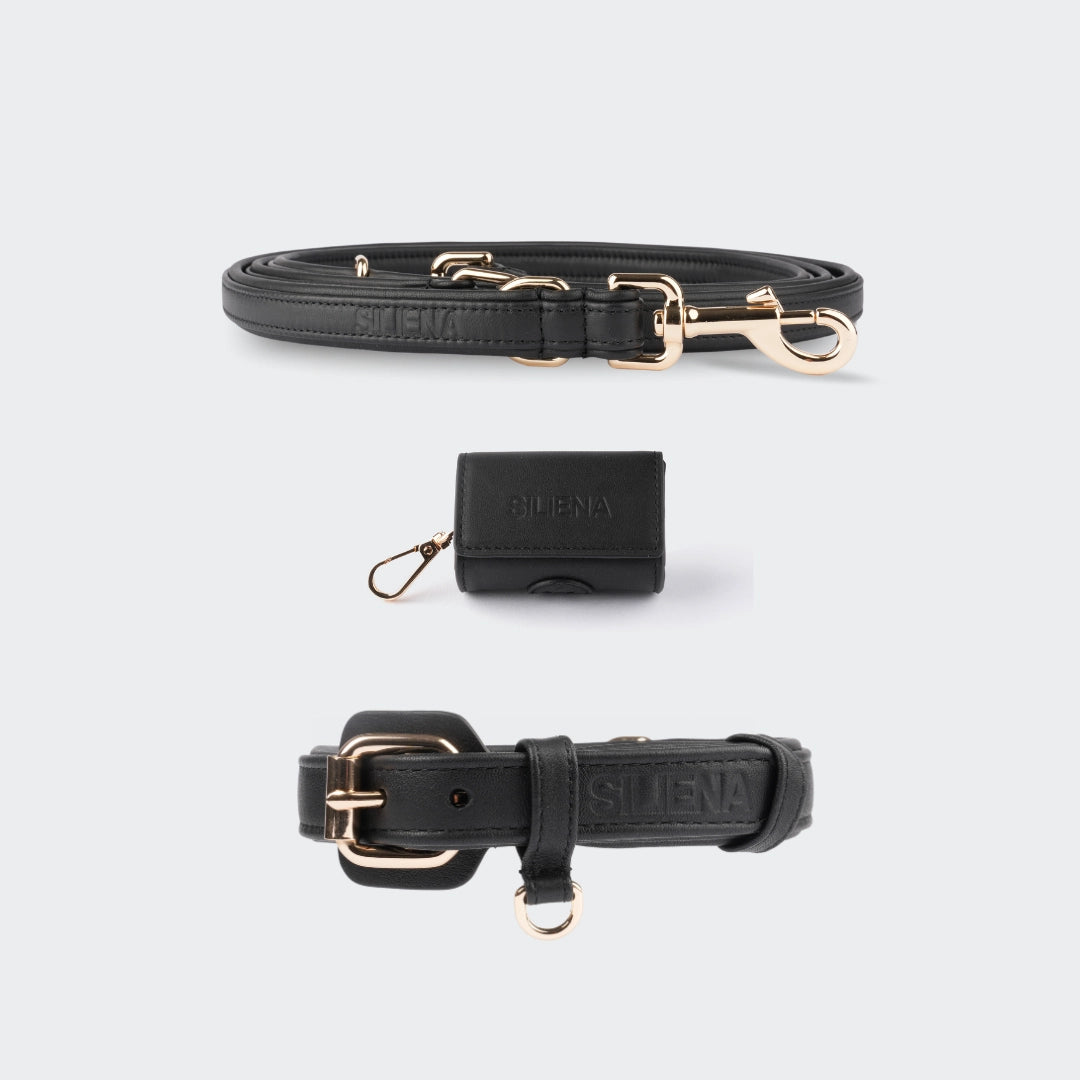
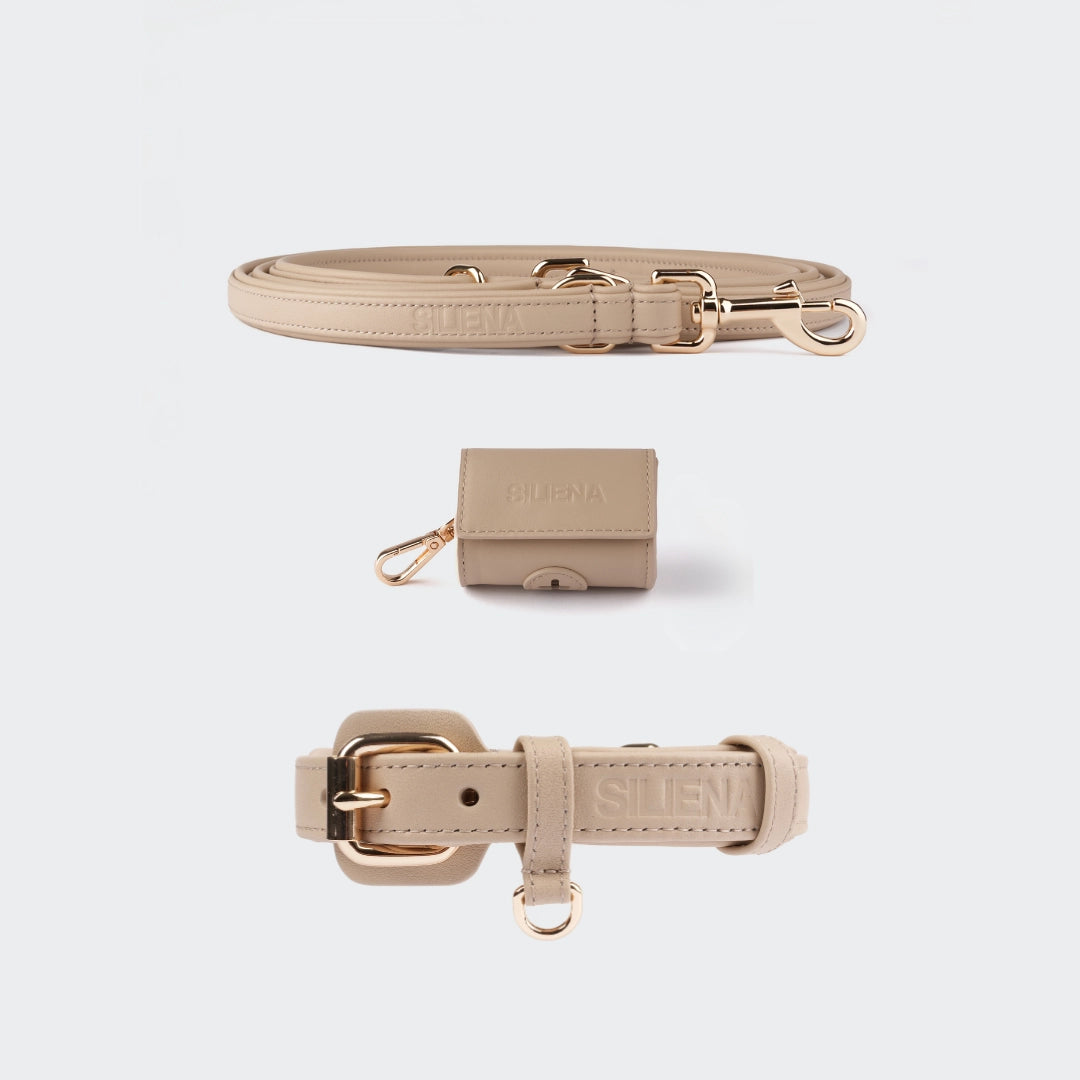
- Double Leashing for Anxious Dogs: Use a sturdy collar AND a safety harness. Attach the leash to both, or use two separate leashes.
- Tags & GPS: Ensure the phone number on the collar is current and your GPS tracker is fully charged.
Preparation: Days & Weeks Before
The earlier you start, the more relaxed the night will be. Preparation here means stress reduction and resource building.
Safe Haven & Routines
Sensitive dogs benefit from stability. Keep feeding times and small rituals consistent. Set up a "den"—ideally in a room without exterior walls or with thick curtains.
Chewing Calms the Nerves
Get high-quality chews or lick mats in advance. Chewing and licking release endorphins in a dog's body, naturally lowering stress levels. A dog focused on an intense flavor is less likely to spiral into fear.

The December 31st Schedule (Checklist)
Structure provides security. Having a plan keeps you calmer—and that calmness transfers to your dog.
| Time | Activity |
|---|---|
| Morning | Take a long walk in an absolutely quiet area (woods/fields). Tire the dog out physically and mentally. |
| 2:00 PM | Last large meal. A full stomach often makes dogs a bit more lethargic and satisfied. |
| After 4:00 PM | "Seal" the house. Close shutters, turn on music. Only quick potty breaks outside (strictly leashed!). |
| 11:30 PM | The "Super Jackpot": Give your dog a long-lasting chew or a filled lick mat now. |
| Midnight | Stay together. Keep the mood upbeat indoors; leave lights on to neutralize the flashes from outside. |
The "Bunker Strategy" for Your Home
On the evening itself, your home should become a fortress against external stimuli:
- Block Visual Stimuli: Close shutters completely. If none are available, hang blankets over the windows. The bright flashes in the sky often trigger more panic than the noise.
- Acoustic Countermeasures: Keep the TV or radio at a normal volume. Calm, bass-heavy music helps mask the sharp sounds of firecrackers.
- Safe Harbor: Allow your dog to lie wherever they choose—even if it’s usually the bathroom or under the kitchen table.
Insider Tip: The Airport as a Silent Oasis
For extremely panicked dogs, there is an almost guaranteed refuge: the airport. Since airports are sensitive security zones, there is a strict ban on fireworks throughout the entire grounds (and often in a wide radius around them).
- Terminals: Many airports allow dog owners to spend New Year's Eve in the public halls. It is often dead quiet there.
- Airport Hotels: These are specialized in soundproofing and have extremely thick windows. Many offer "Silent Night" packages for dog owners.
- Highway Drive: If all else fails, a drive on the highway at midnight often helps. The steady hum of the car is soothing to many dogs, and fireworks are not allowed on the roadway.

Myth: Should You Comfort Anxious Dogs?
Outdated advice often says: "Ignore the fear, or you'll reinforce it." This has long been scientifically debunked. Fear is an emotion, not a conscious behavior. You cannot "reward" fear.
Social Support is key: If your dog seeks comfort from you, provide it! Cuddling, calm stroking (long, slow strokes), and a gentle voice signal: "I'm here, you're not alone." Just avoid frantic pity, as your own agitation could further unsettle the dog. Be their calm rock in the storm.
Emergency Plan for Acute Panic
If your dog panics despite all preparations:
- Stay Calm: Your panic doubles theirs.
- Don't Crowd Them: If they hide, let them stay there. Never pull them out of a hiding spot by force.
- No Punishment: If the dog has an accident in the house due to fear, ignore it completely and clean it up later.
- Veterinary Help: If you know your dog suffers severely, discuss medicinal support with your vet well in advance (weeks before!).
Conclusion
New Year's Eve may never be a pleasant night for many dogs—but with good preparation, the right leash safety, and plenty of understanding, you can give your dog security. Your dog doesn't have to "function" this evening. They are allowed to be afraid—and you are allowed to lead them safely through the night.
The entire Siliena team wishes you and your furry friend a peaceful and safe start to the New Year!




Leave a comment
This site is protected by hCaptcha and the hCaptcha Privacy Policy and Terms of Service apply.