

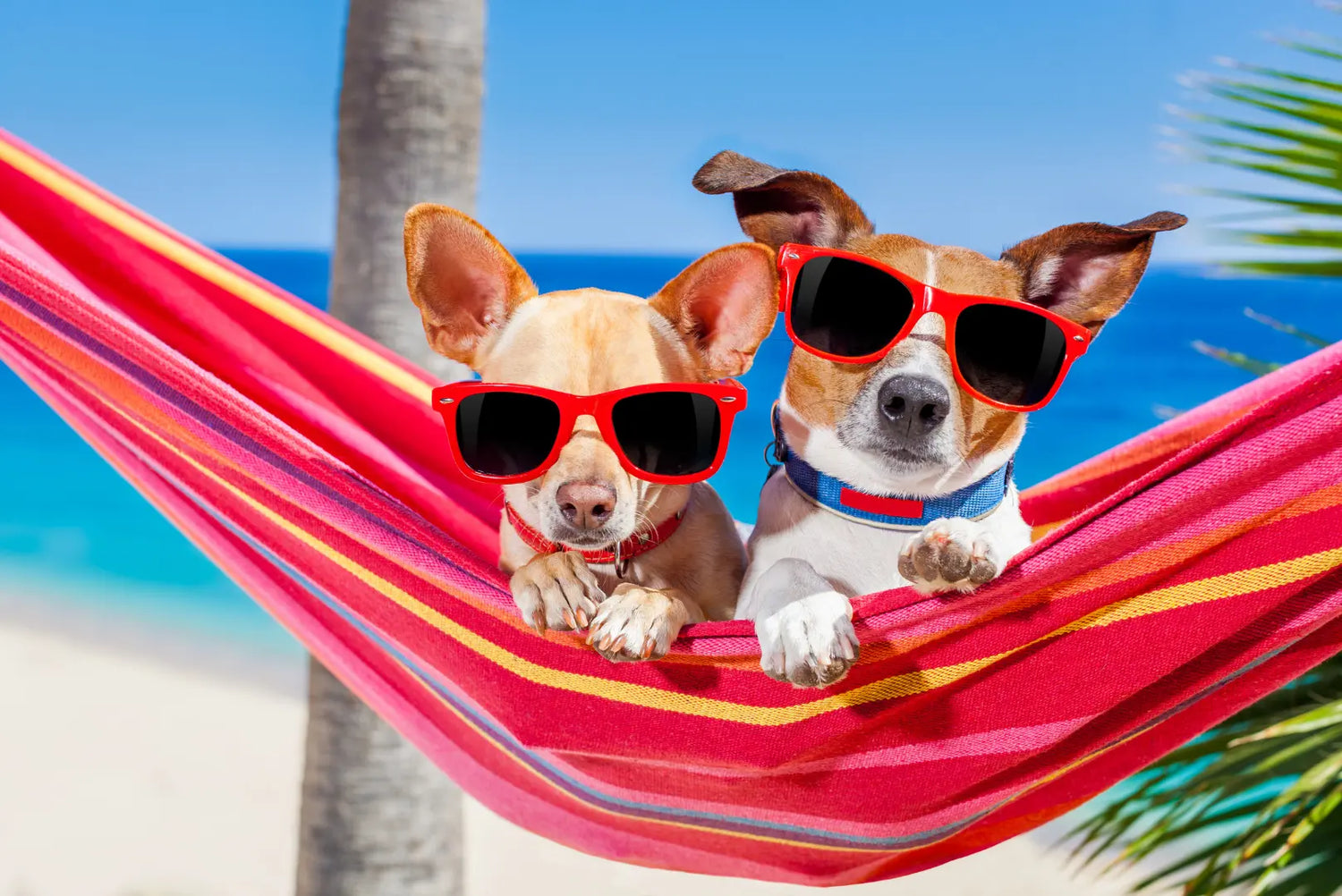
Once the thermometer climbs past 82°F, daily life with a dog changes fast. The big midday walk is off the table, a game of fetch at the park becomes a strain, and yet your dog still needs something to do.
The good news: keeping your dog engaged in the heat doesn't require exercise in the traditional sense. It just takes the right time of day, the right pace, and a few clever ideas that work the mind instead of the paws.
The short version: in peak summer, shift activity to early mornings and late evenings, swap long walks for water play, scent games, and puzzle toys, and keep an eye on shade, water access, and the early signs of overheating. Mental stimulation can tire a dog out just as much as physical exercise, without putting any strain on their circulation.
In this guide from Siliena, we'll walk you through concrete ideas for indoors and outdoors, what to look for in your gear, and how to spot heatstroke early.
Table of Contents
- Why Heat Gets Dangerous for Dogs Fast
- The Right Time of Day for Activity
- Water Play and Cooling Off on Hot Days
- Mental Enrichment: Tiring Them Out Without the Effort
- Indoor Ideas for the Hottest Hours
- The Right Gear for Summer
- Spotting Warning Signs: When It Gets Serious
- Overview: Summer Activities at a Glance
- Frequently Asked Questions About Summer Enrichment
- Bottom Line: Less Distance, More Mental Work
Why Heat Gets Dangerous for Dogs Fast
Unlike humans, dogs can't cool down by sweating through their skin. They regulate their body temperature almost entirely through panting, with a small amount of heat release through their paw pads. When temperatures and humidity are both high, this system hits its limits quickly. Brachycephalic breeds like French Bulldogs or Pugs, along with very young, senior, or overweight dogs, are especially at risk.
That doesn't mean your dog has to spend all summer on the couch. It just means how and when you keep them busy matters more than how long.

The Right Time of Day for Activity
Between roughly 11 AM and 6 PM, any intense activity should be paused, especially on hot summer days. Pavement matters here too, since it heats up far more than the surrounding air and can burn sensitive paws. A simple test: press the back of your hand against the ground for a few seconds. If it's too hot for you, it's too hot for your dog's paws.
Instead, shift the bulk of your dog's activity to:
- Early morning (ideally before 8 AM), while the air is still cool
- Late evening, once the sun is lower and the ground has cooled down
During these windows, even a shorter, relaxed walk, paired with the mental games listed below, is often enough to keep your dog balanced throughout the day.
Water Play and Cooling Off on Hot Days
Water is your dog's best friend in peak summer, as long as they're into it. Not every dog naturally loves water, so it's worth introducing it slowly and positively.
- A kiddie pool in the yard or on the balcony: even a shallow kiddie pool is enough to let your dog cool off on their own terms.
- Frozen treats: freeze treats, broth, or bits of fruit (like seedless watermelon or bone broth) into ice cubes. It cools them down and keeps them busy at the same time.
- Sprinklers or a garden hose: plenty of dogs love playfully snapping at a stream of water.
- A trip to the water: a calm lake or river (where allowed) offers both cooling and natural exercise through swimming, which is much easier on the joints than running.
After swimming: dry your dog thoroughly, especially the ears, to prevent infections.

Mental Enrichment: Tiring Them Out Without the Effort
Mental tasks can tire a dog out just as effectively as a long walk, without putting any strain on their circulation or joints. That's exactly why they're so valuable in summer.
- Snuffle mats: hide food in fabric and let your dog sniff it out, perfect for muggy days indoors. Works great with an old towel, too!
- Puzzle feeders and interactive toys: engage focus instead of stamina.
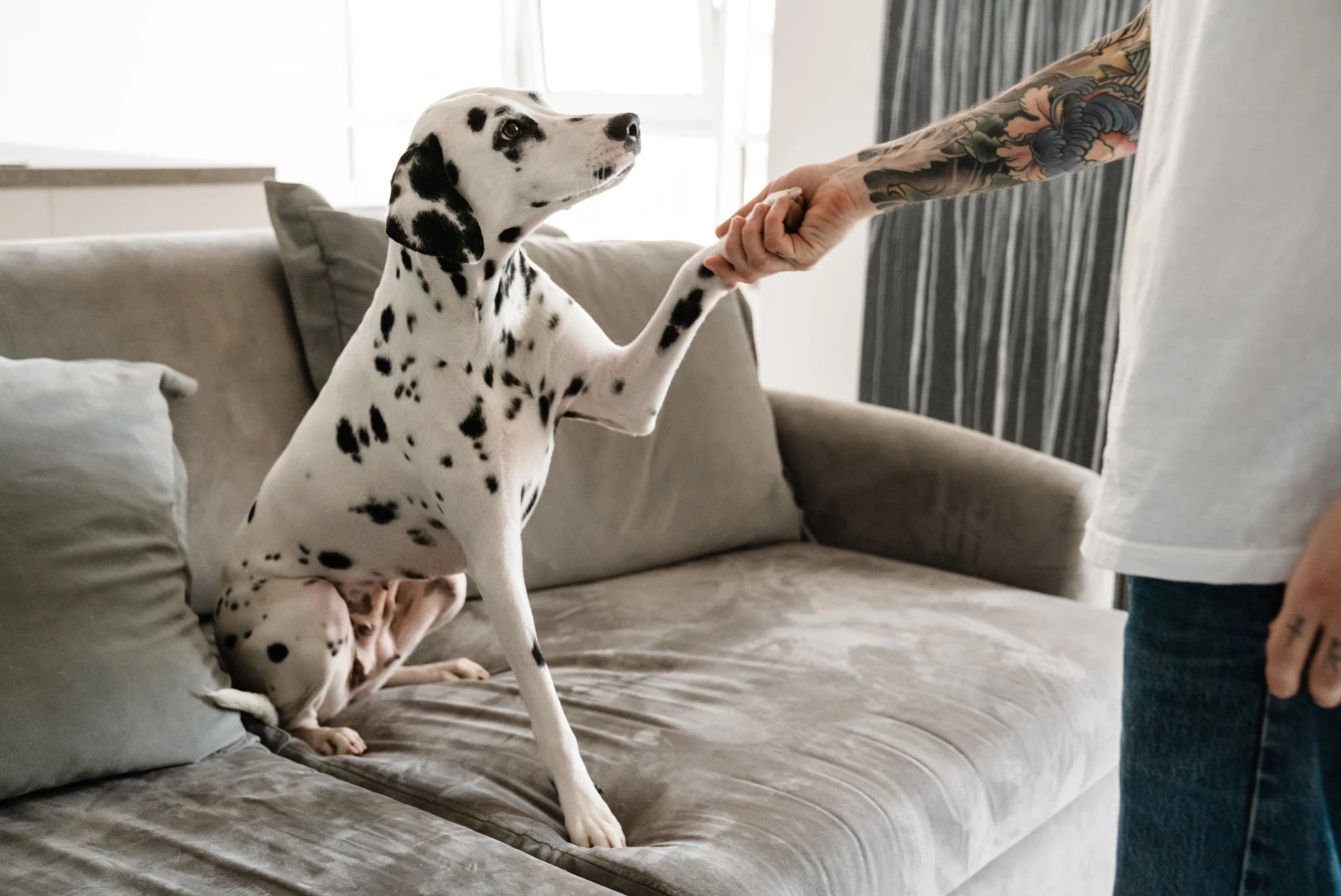
- New commands or tricks: 10 minutes of training on a cool morning is often more balancing than an hour-long walk in midday heat.
- Indoor search games: hide treats or your dog's favorite toy around different rooms and let them "search" for it.
If you're still working on the basics, our guide to basic dog commands is a great starting point, and it fits perfectly into short, shaded training sessions over the summer.
Indoor Ideas for the Hottest Hours
On days with a heat warning, staying inside all day is sometimes the smartest call. These activities work even with the windows closed and the AC or a fan running:
- Fill a Kong or puzzle feeder with frozen wet food
- Cardboard box puzzles: hide treats inside clean, empty boxes for your dog to open
- Calm-down training: relaxation exercises and "place" training, especially useful for dogs who still need practice with being alone
- Massage and grooming: calm brushing in a cool corner of the house is soothing, and especially useful for double-coated breeds in summer
The Right Gear for Summer
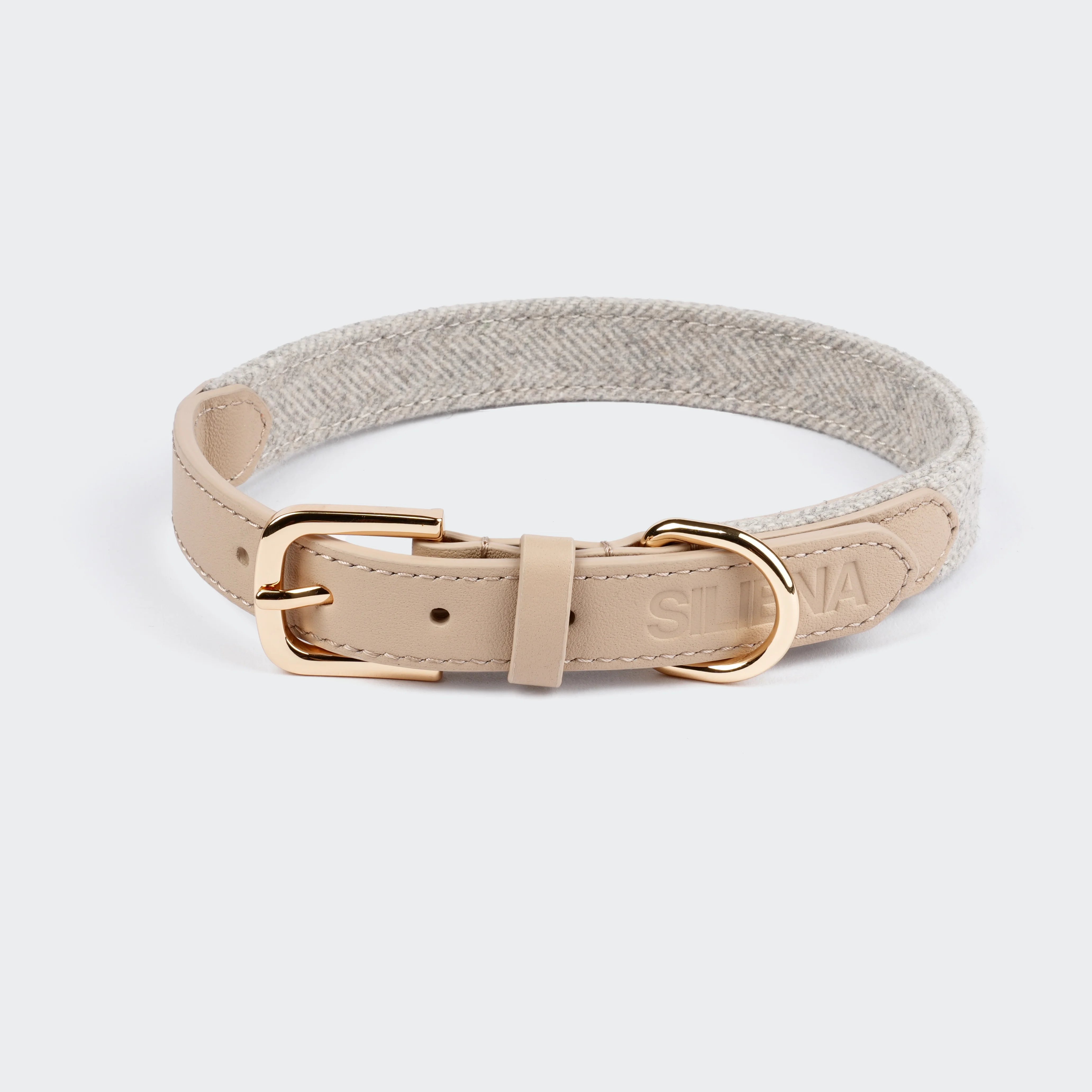
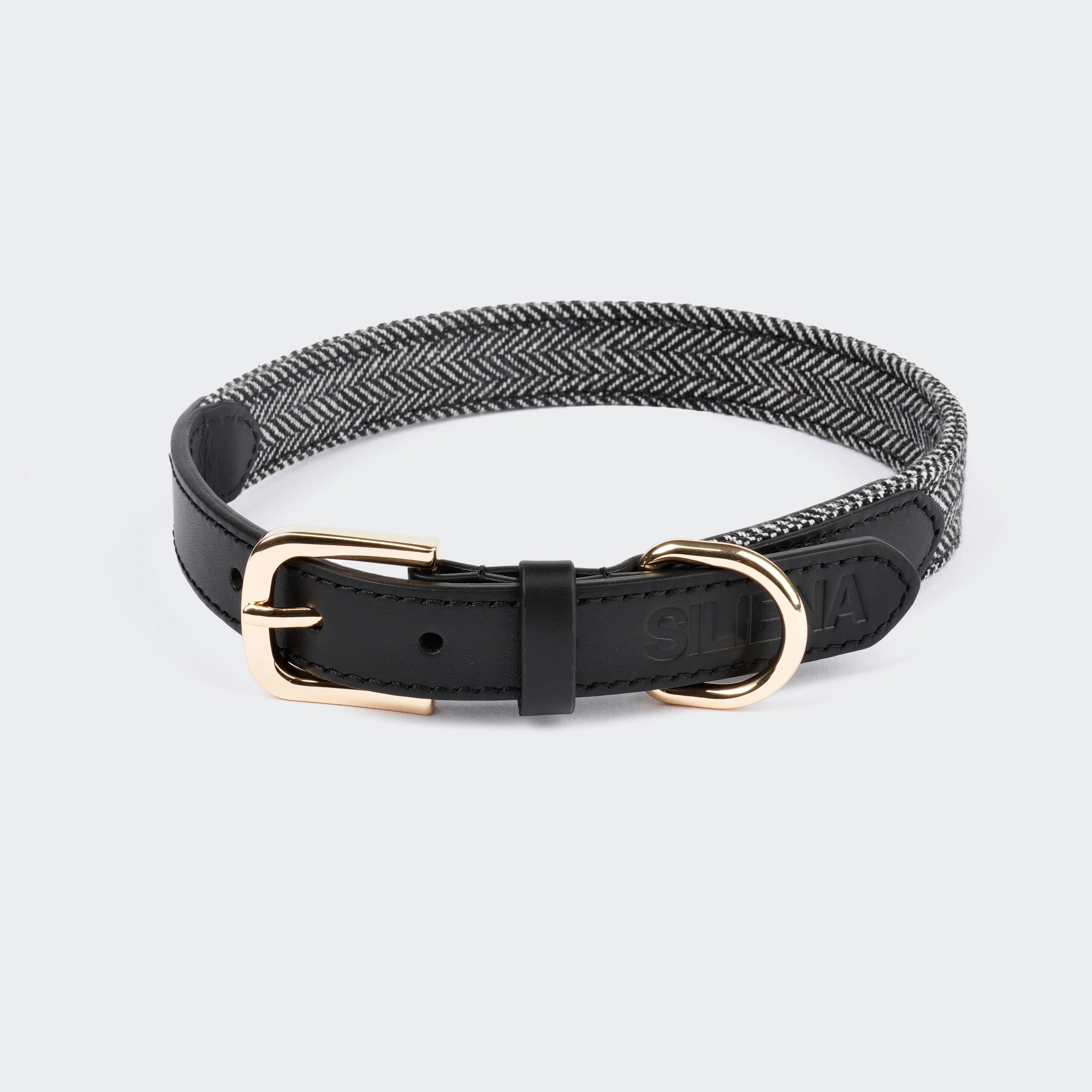
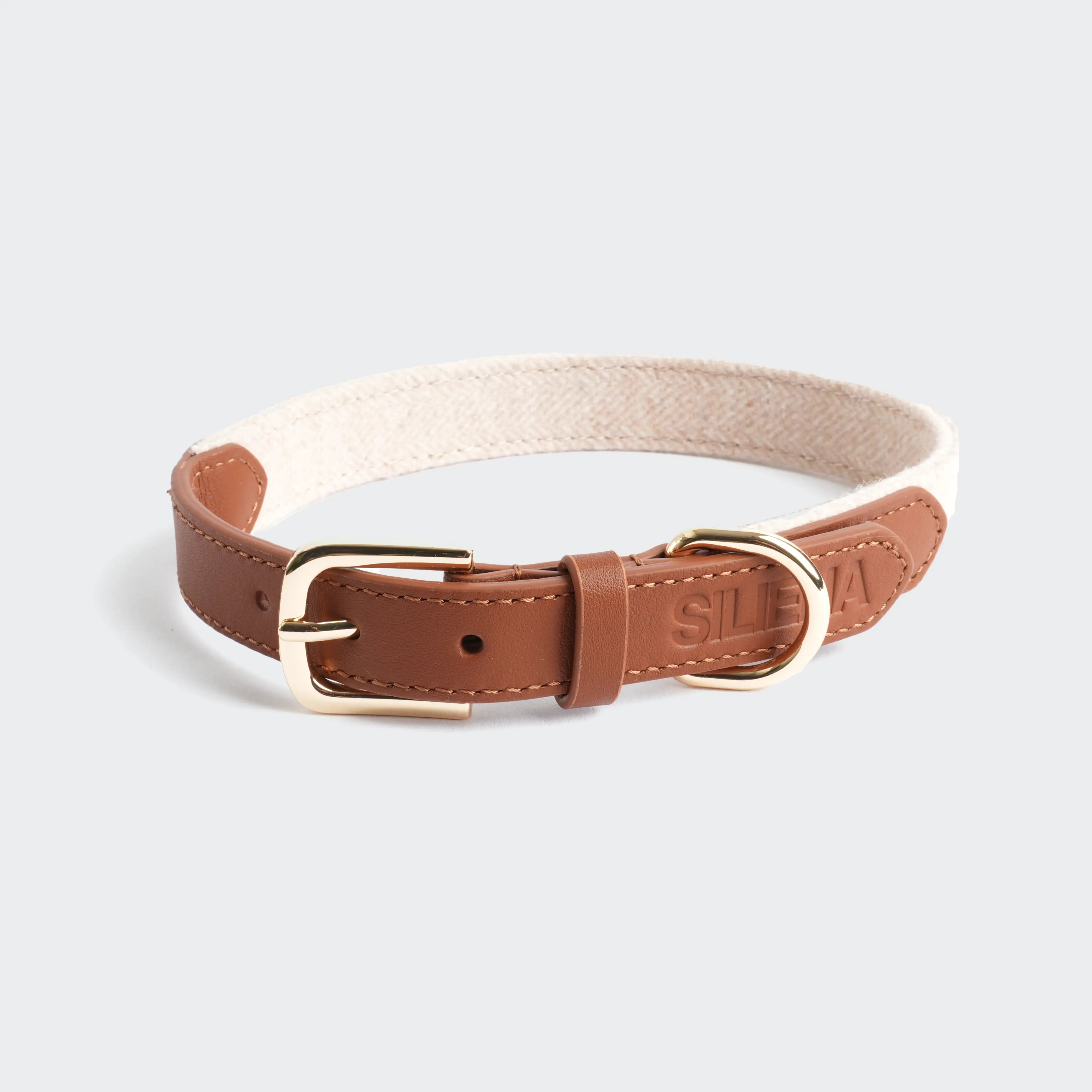
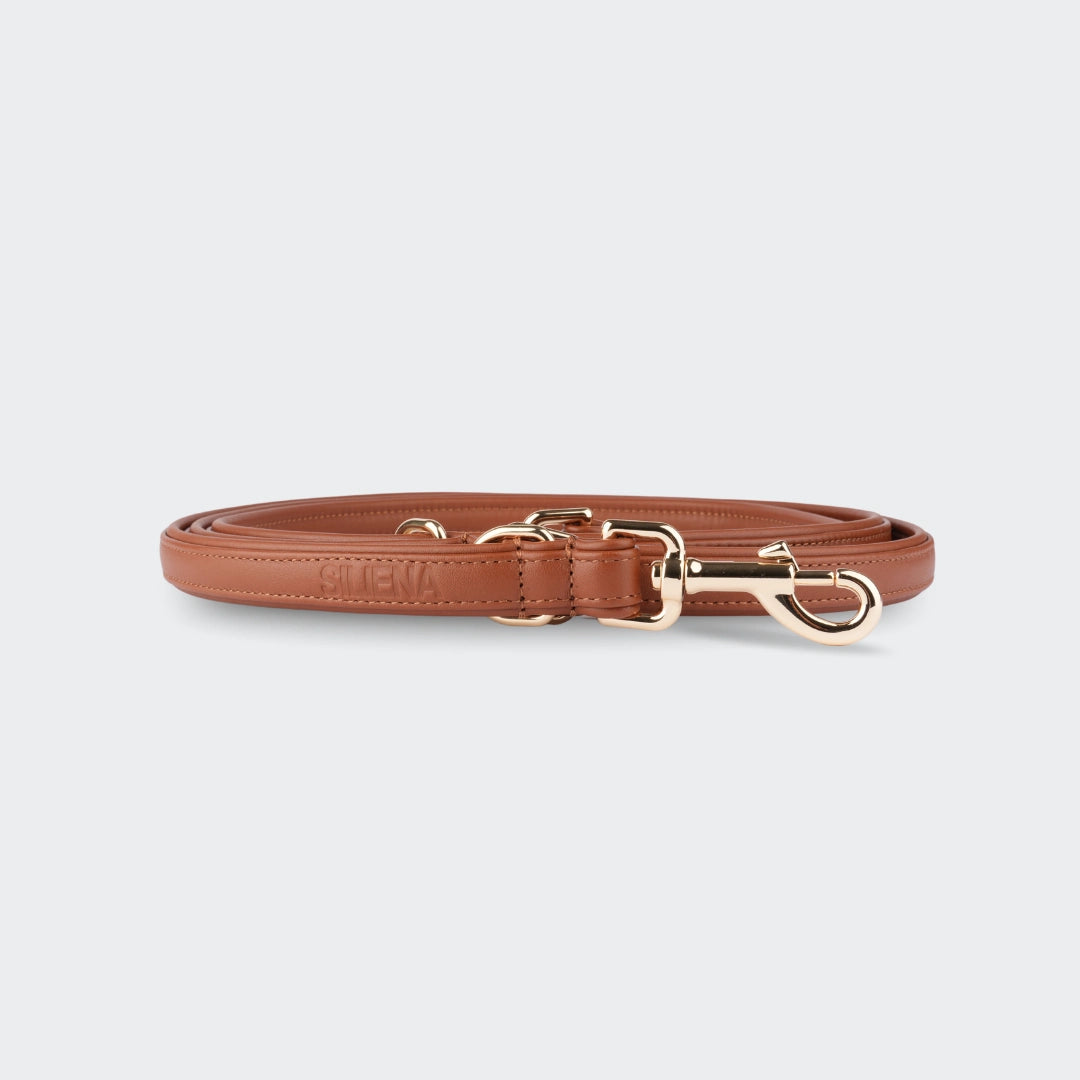
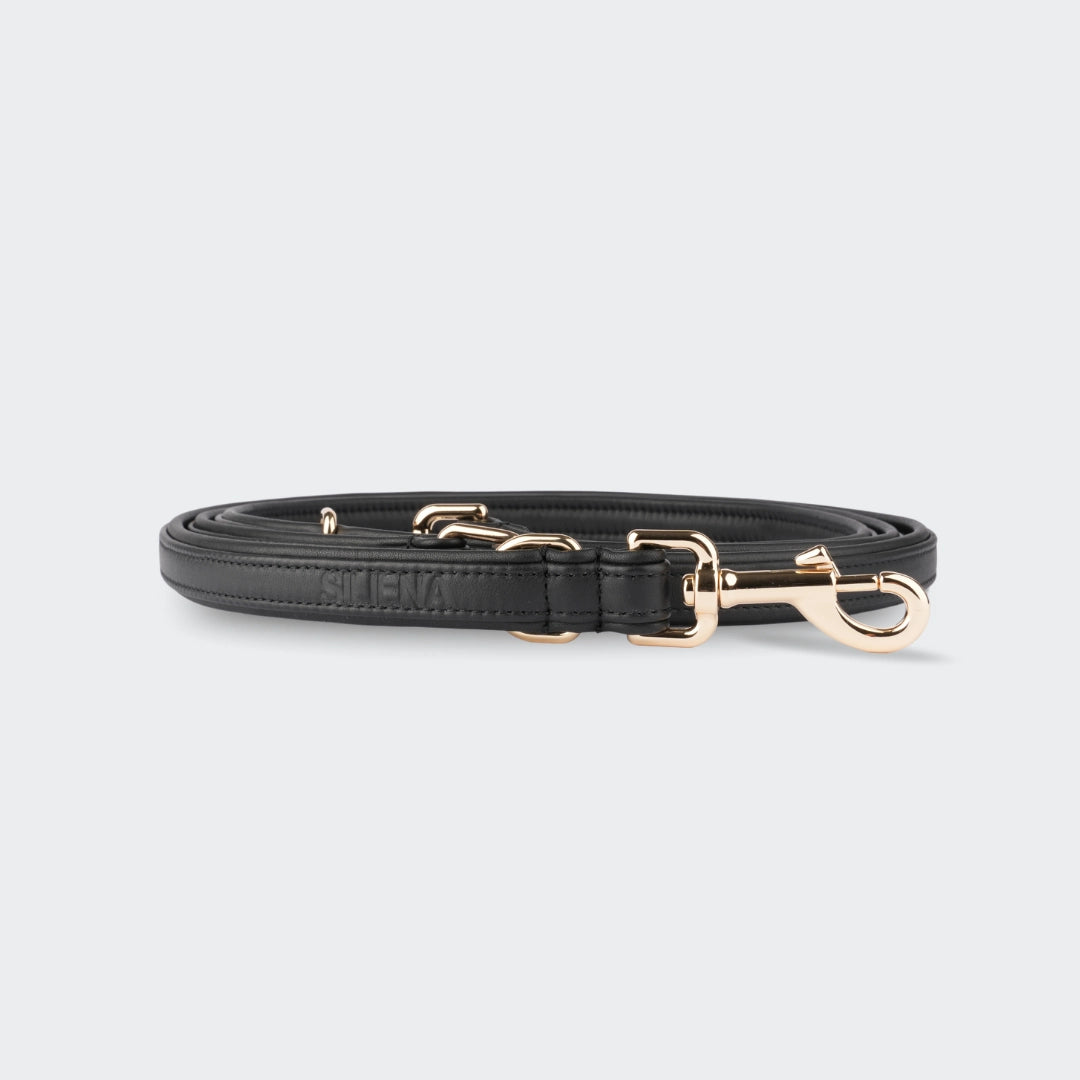
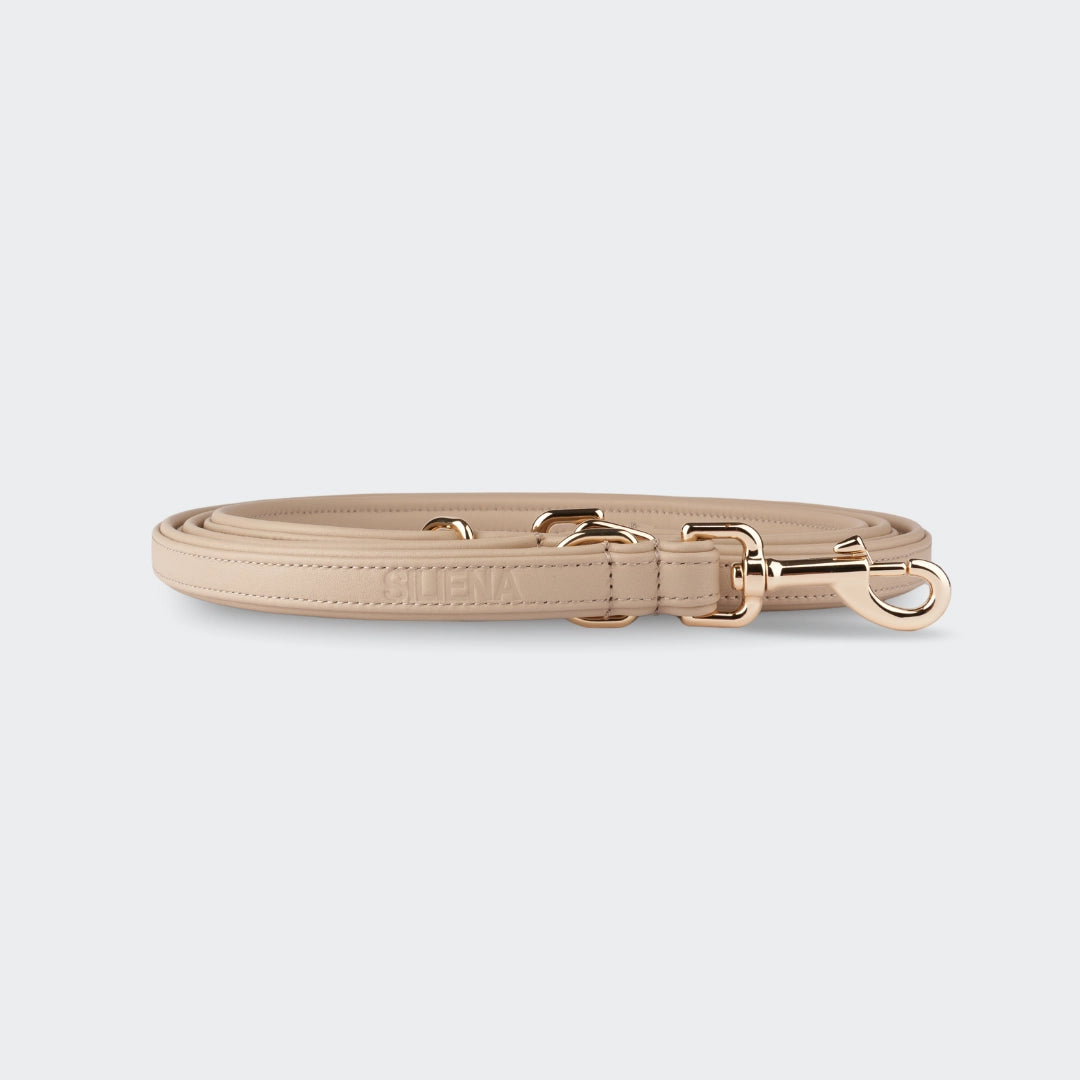
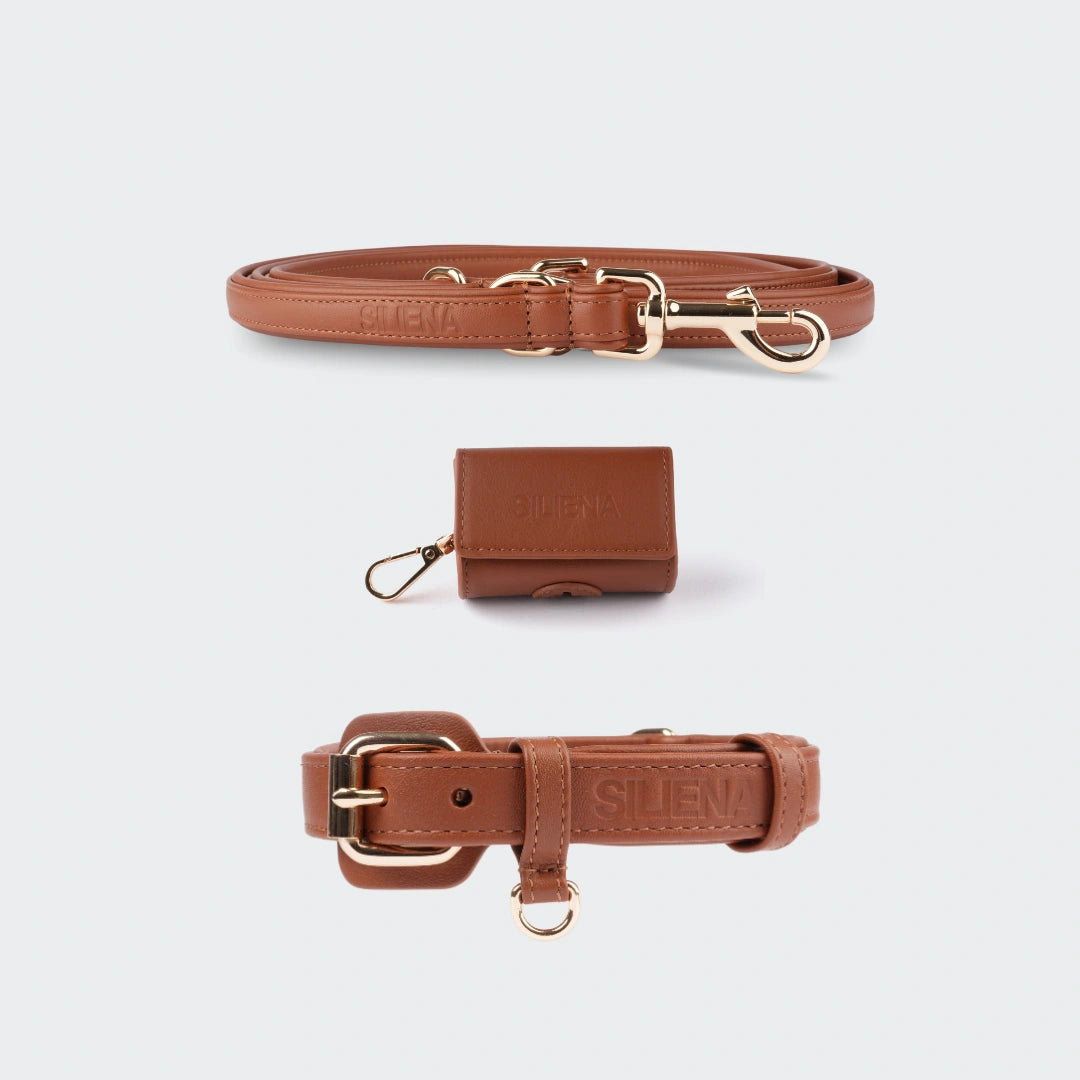
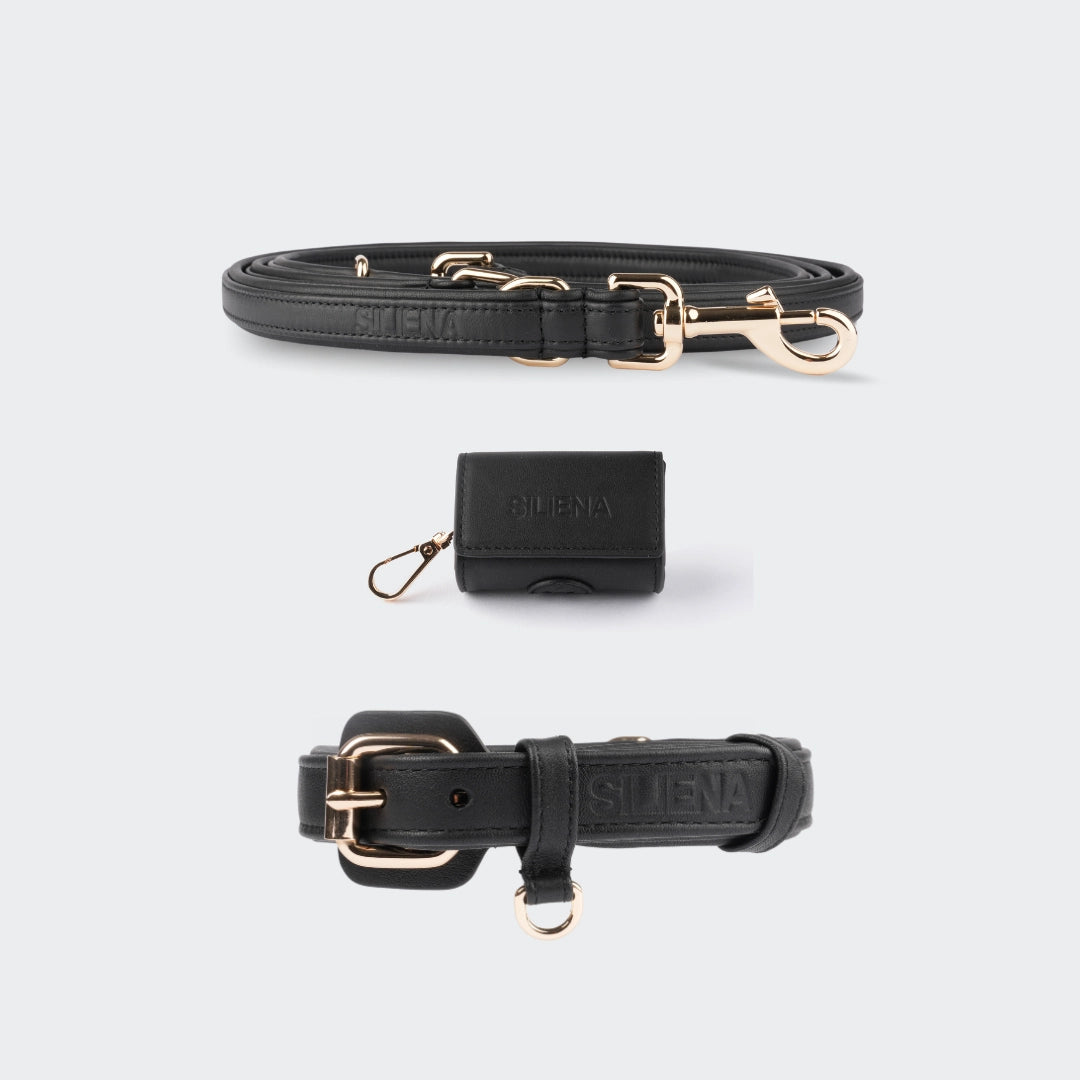
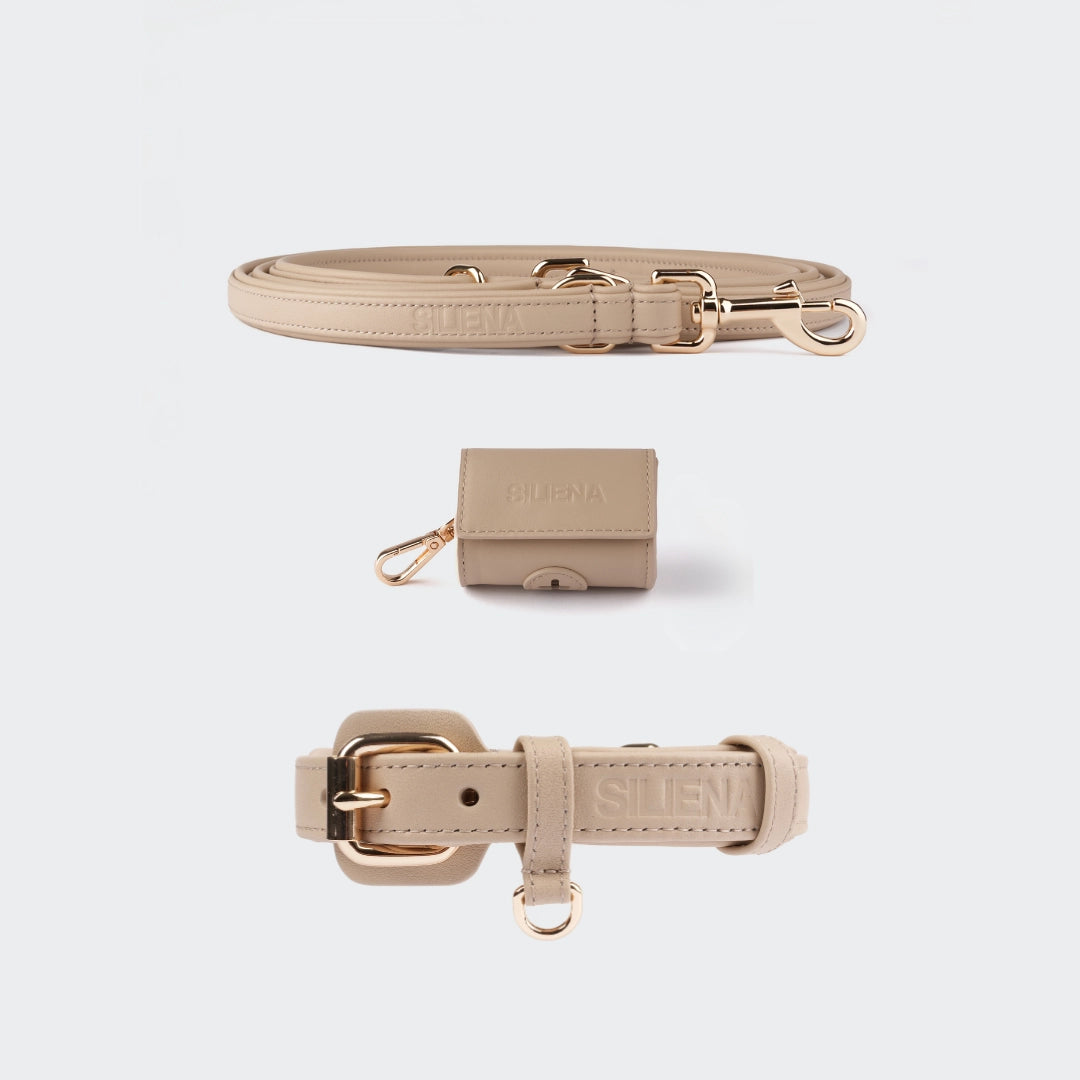
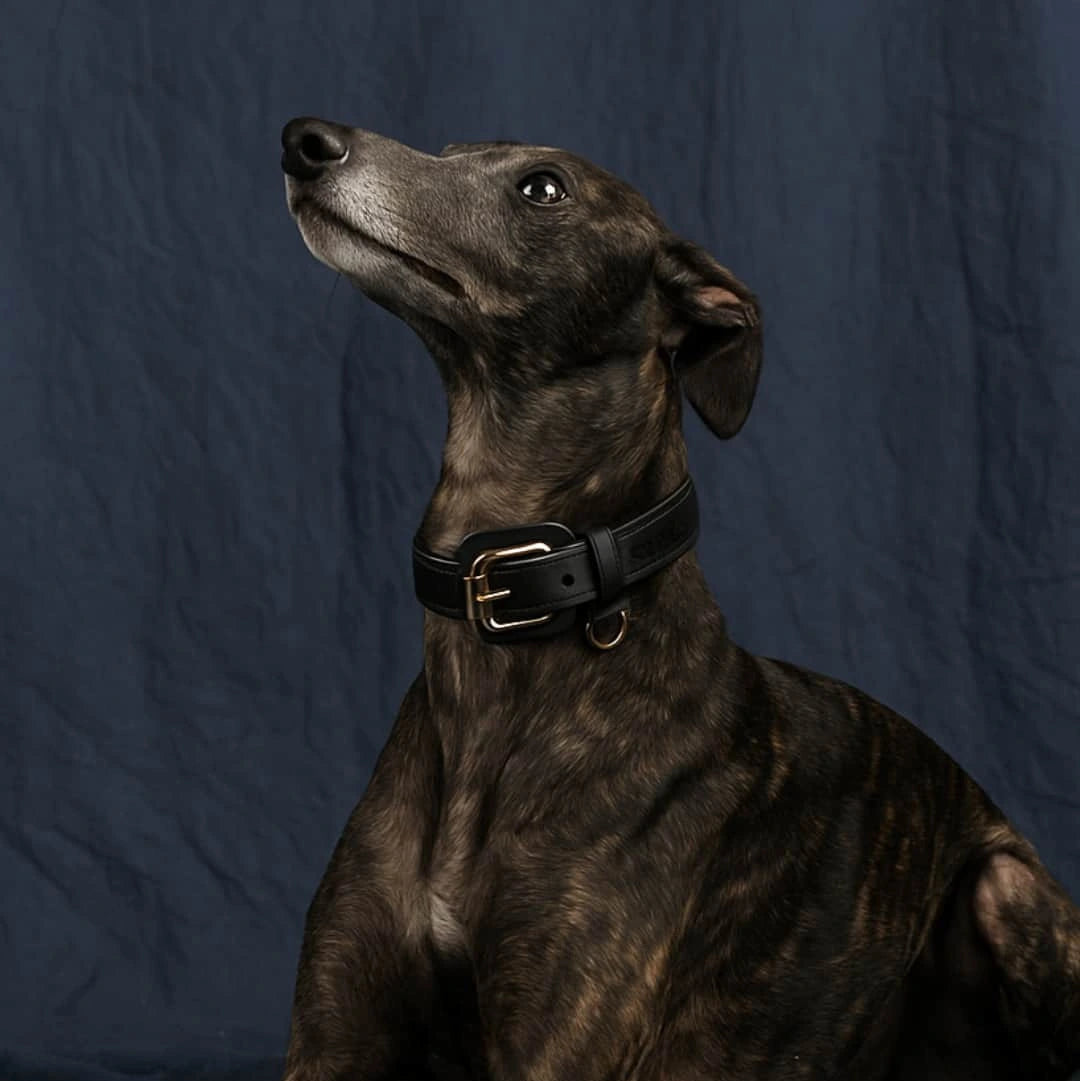
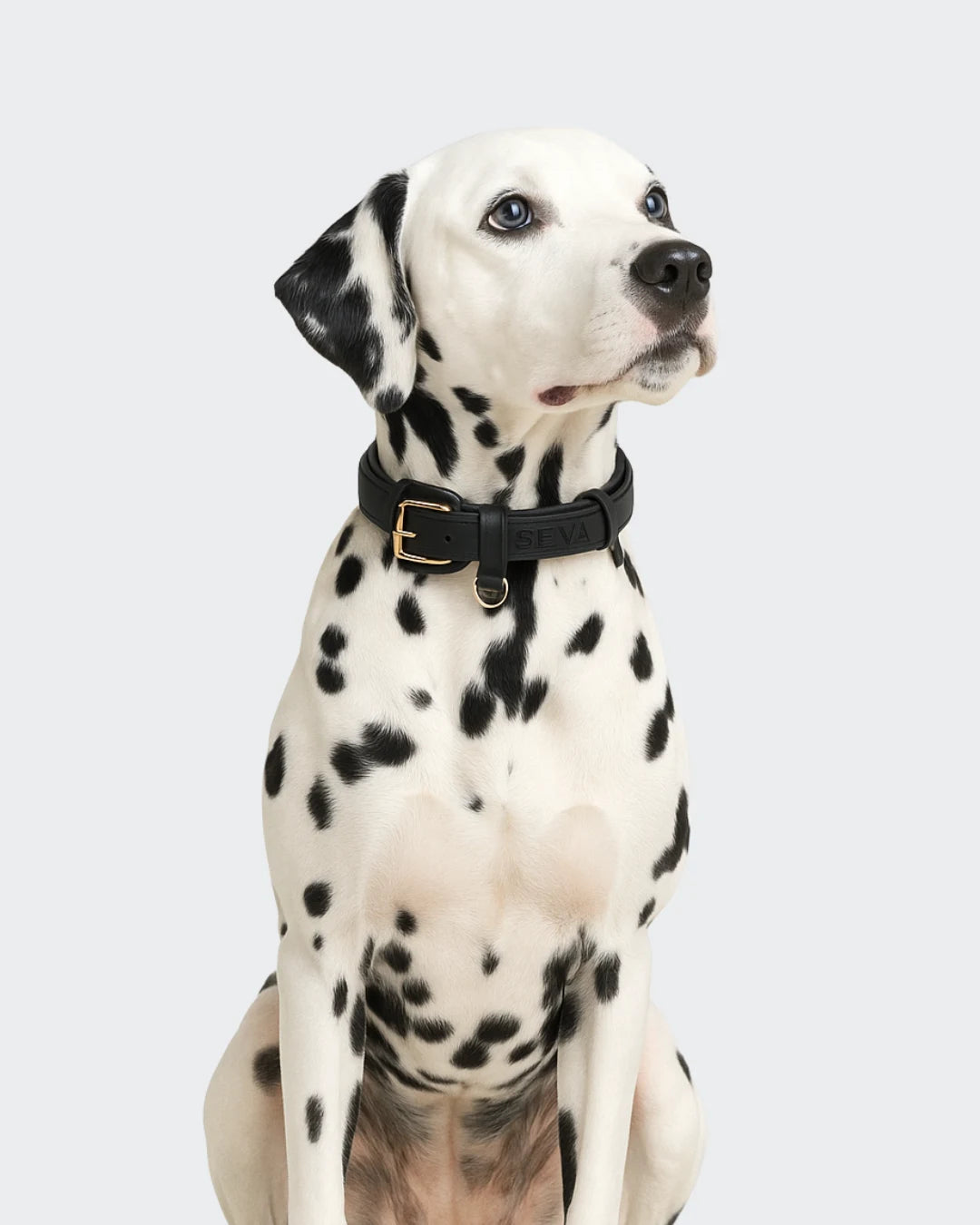
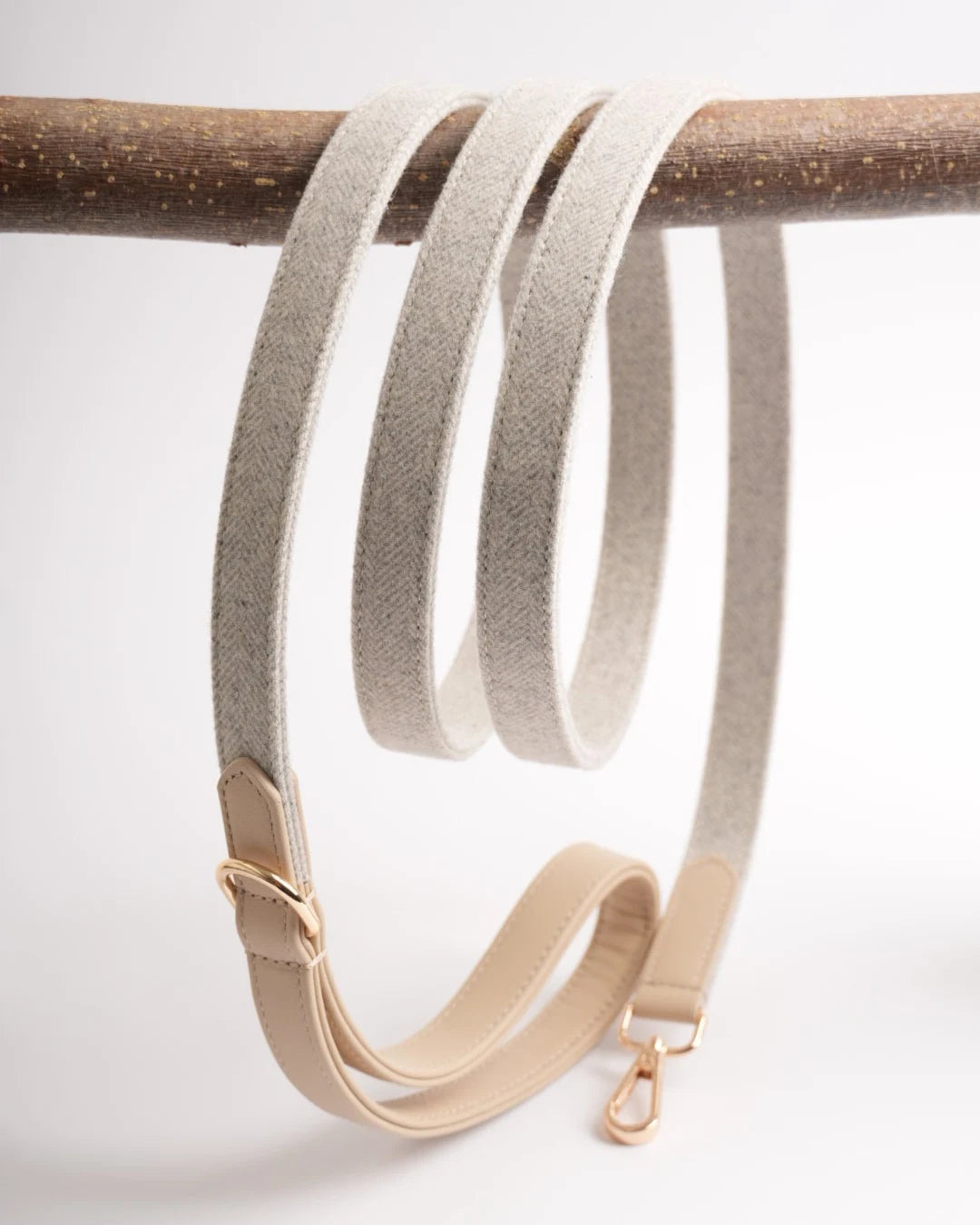
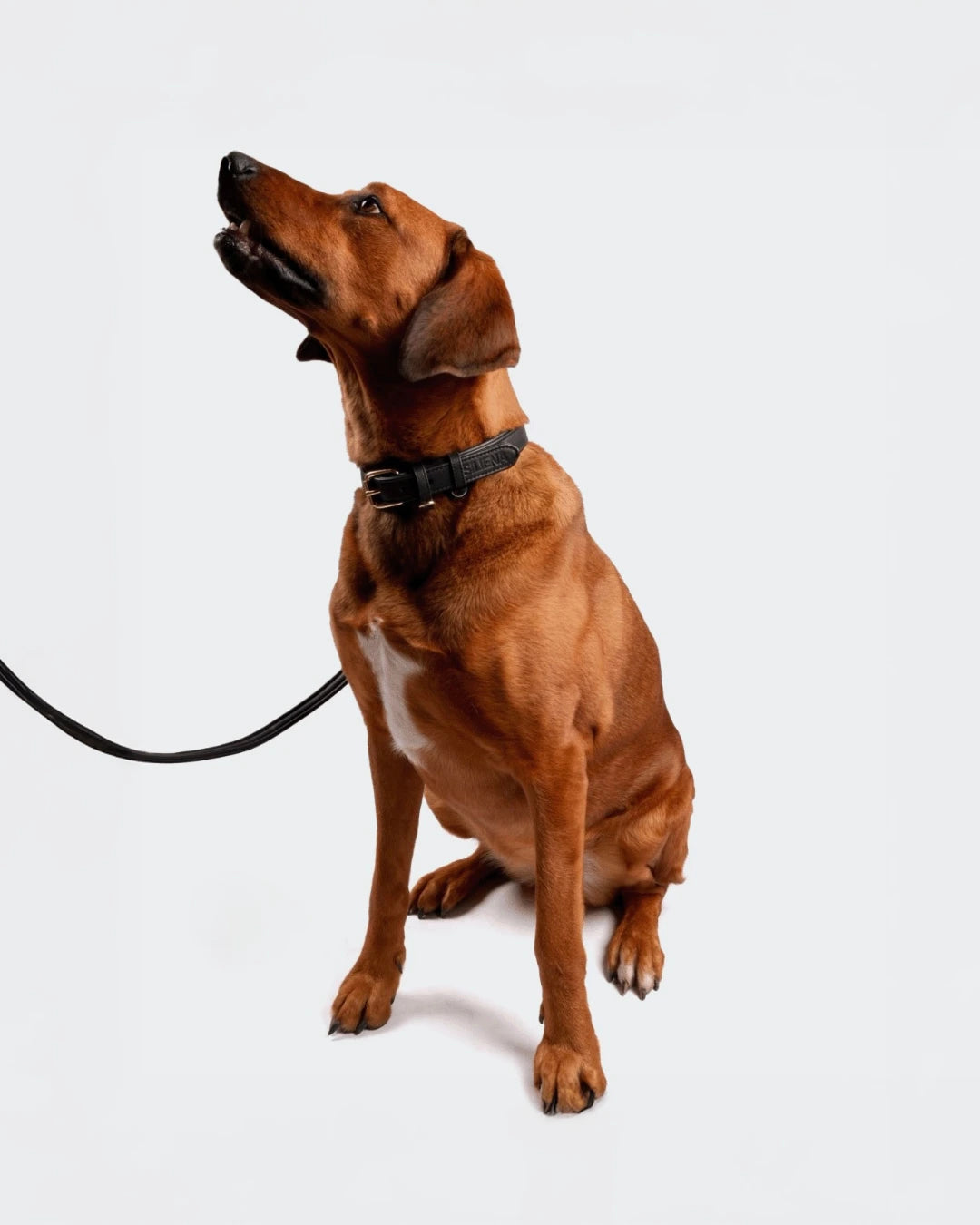
Your gear can adapt to summer too. What matters most is that the collar and leash don't become uncomfortable when wet, don't warp out of shape, and still feel good against the skin when your dog is still damp after a swim. Genuine leather gear, like our dog leashes and collars, is built to last and holds its shape even after brief contact with water, just as suited to a cool morning or evening walk after a splash session as it is to your everyday routine.
A few extra summer gear tips:
- Always bring a collapsible water bowl or bottle on the go
- Reflective elements on the leash or collar come in handy for earlier, darker evening walks
- Let leather gear dry off briefly after swimming before putting it away
Spotting Warning Signs: When It Gets Serious
As important as enrichment is, safety always comes first when in doubt. Watch for the following signs of overheating during any summer activity:
- Heavy, labored panting that doesn't ease up
- Dark red or unusually pale gums
- Stumbling, weakness, or a sudden lack of interest in usual games
- Vomiting or diarrhea
- Extremely rapid pulse
If your dog shows any of these signs, get them into shade immediately, offer lukewarm (never ice-cold) water, and cool them down carefully, for example with damp towels on the belly and paws. If symptoms persist, a vet visit is a must, heatstroke can be life-threatening.

Overview: Summer Activities at a Glance
| Activity | Suitable in Heat | Tip |
|---|---|---|
| Long midday walk | Not suitable | Shift to early morning or evening |
| Swimming/kiddie pool | Great fit | Dry ears thoroughly after swimming |
| Snuffle mat | Great fit | Works even with windows closed |
| Kong with frozen food | Great fit | Especially good during hot midday hours |
| Outdoor fetch | Morning/evening only | Test ground temperature first |
| Trick training | Good fit | Short sessions in the shade |
| Endurance running/jogging | Not suitable | Save it for cooler months |
Frequently Asked Questions About Summer Enrichment
How much exercise does a dog need in peak summer?
A lot less than usual, and at different times. Short, relaxed walks in the early morning and late evening are usually enough, as long as you pair them with mental enrichment throughout the day.
Can I still take my dog out briefly at midday?
For the essentials, yes, but stick to shaded, cooler surfaces like grass instead of pavement, and skip extra exertion like fetch.
Which dogs are most at risk in the heat?
Brachycephalic breeds, very young or senior dogs, overweight dogs, and dogs with heart or respiratory conditions need extra caution in summer.
Is swimming suitable for every dog?
Generally yes, as long as the dog enjoys it and is introduced to it gradually. After swimming, ears and coat should be dried thoroughly to prevent infections or skin irritation.
Bottom Line: Less Distance, More Mental Work
Keeping your dog busy in peak summer doesn't mean giving up on enrichment, it means getting smarter about it. Shift physical activity to the cooler hours, lean on water play and mental tasks during the hottest part of the day, and always keep an eye out for signs of overheating. That way, your dog stays balanced, happy, and above all safe, even at 90°F.

Leave a comment
This site is protected by hCaptcha and the hCaptcha Privacy Policy and Terms of Service apply.