

Few breeds turn heads quite like the Great Dane. Standing up to 32 inches at the shoulder, it's one of the tallest dog breeds in the world, often nicknamed the "Apollo of Dogs." Despite the name, the Great Dane didn't actually come from Denmark, it's a German breed through and through, originally known as the Deutsche Dogge. In this guide, you'll learn everything you need to know about the Great Dane's history, temperament, care, and health.
Great Dane Breed Overview
| Trait | Details |
|---|---|
| Origin | Germany |
| Breed Group | Working Group (AKC); FCI Group 2, Section 2.1 (Mastiff-type), Standard No. 235 |
| Height | Males min. 31.5 in, females min. 28.5 in (at the shoulder, no official upper limit) |
| Weight | 110 to 200 lbs |
| Life Expectancy | Average 6 to 6.5 years |
| Coat | Short, dense, smooth, and glossy |
| Coat Colors | Brindle, fawn, blue, black, harlequin, mantle |
| Temperament | Friendly, affectionate, calm, even-tempered, reserved with strangers |
| Grooming Needs | Low (short coat, minimal brushing required) |
| Exercise Needs | Moderate (regular but not overly intense activity) |
| Best Suited For | Experienced dog owners, families with enough space and time |
| Fun Fact | One of the largest dog breeds in the world, often called a "gentle giant" |

History and Origin of the Great Dane
The Great Dane's history stretches back centuries. Its ancestors were large Molosser-type dogs used as war and hunting dogs as far back as antiquity. In Germany, the breed was developed starting in the 16th century primarily for wild boar hunting, which is why it was originally known by names like "boar hound" or "Hatzrüde."
In 1878, a seven-member committee in Berlin, led by Dr. Bodinus, agreed to consolidate the many regional names, including Ulmer Dogge, Hatzrüde, and boar hound, under one official name: Deutsche Dogge (German Mastiff). Ten years later, in 1888, the Deutscher Doggen Club was founded as the breed's first dedicated club, and it's still active today. This cemented Germany as the breed's official country of origin, even though the English name "Great Dane" persists to this day, a historical mix-up rooted in a mistaken connection to Denmark. The FCI officially recognized the breed under Standard No. 235 on January 1, 1955.
Appearance and Physical Traits
The Great Dane is one of the largest dog breeds on the planet, known for its elegant yet powerful build. Key physical traits include:
- Height: The FCI standard sets a minimum shoulder height of 31.5 inches for males and 28.5 inches for females. There's no official upper limit, and some record-holding dogs have exceeded 40 inches
- Weight: Typically between 110 and 200 lbs, depending on sex and build
- Build: Muscular and long-legged, yet elegantly proportioned
- Head: Long and rectangular with a well-defined stop
- Coat: Short, dense, and glossy
- Colors: Brindle, fawn, blue, and black, plus the striking harlequin and mantle patterns
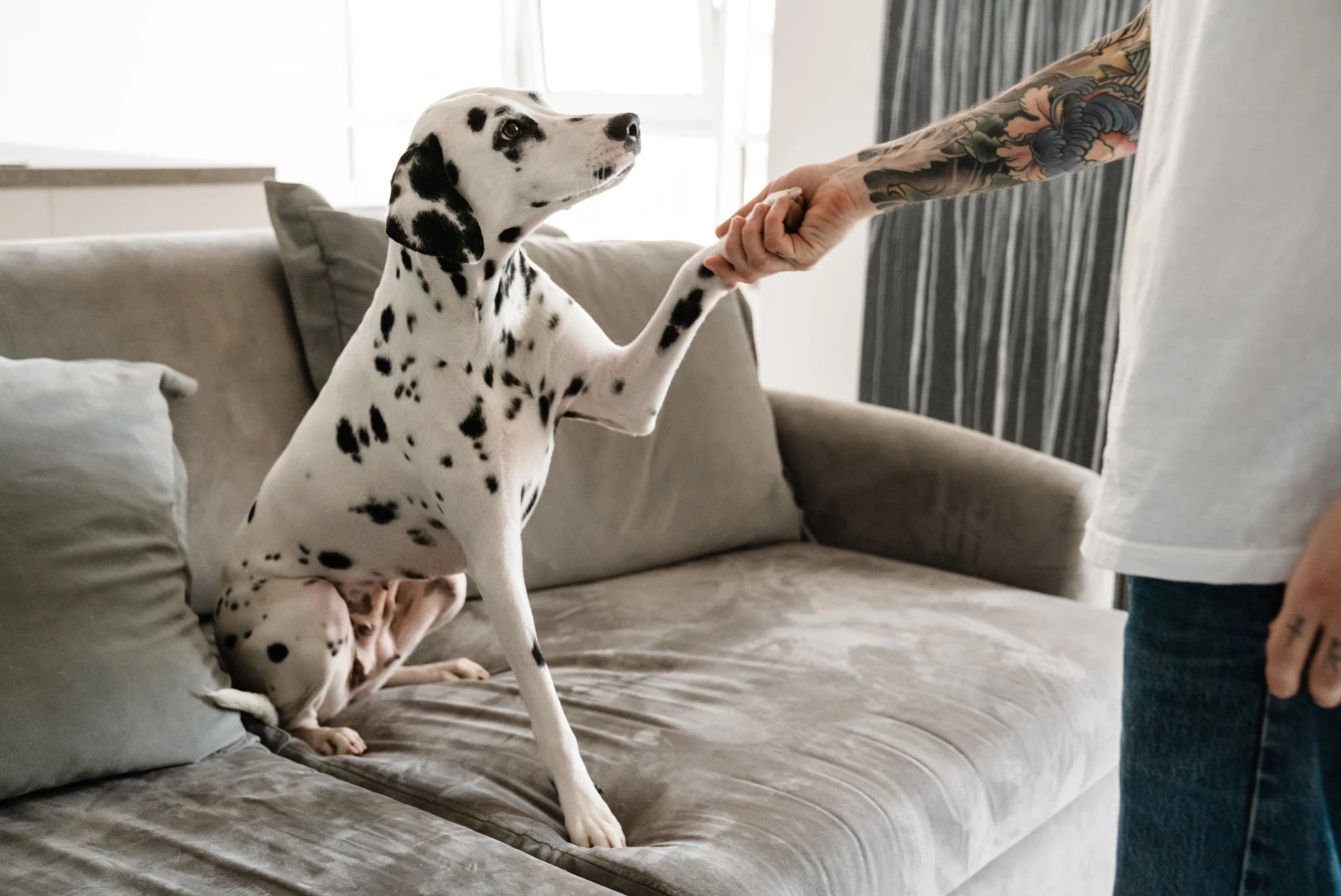
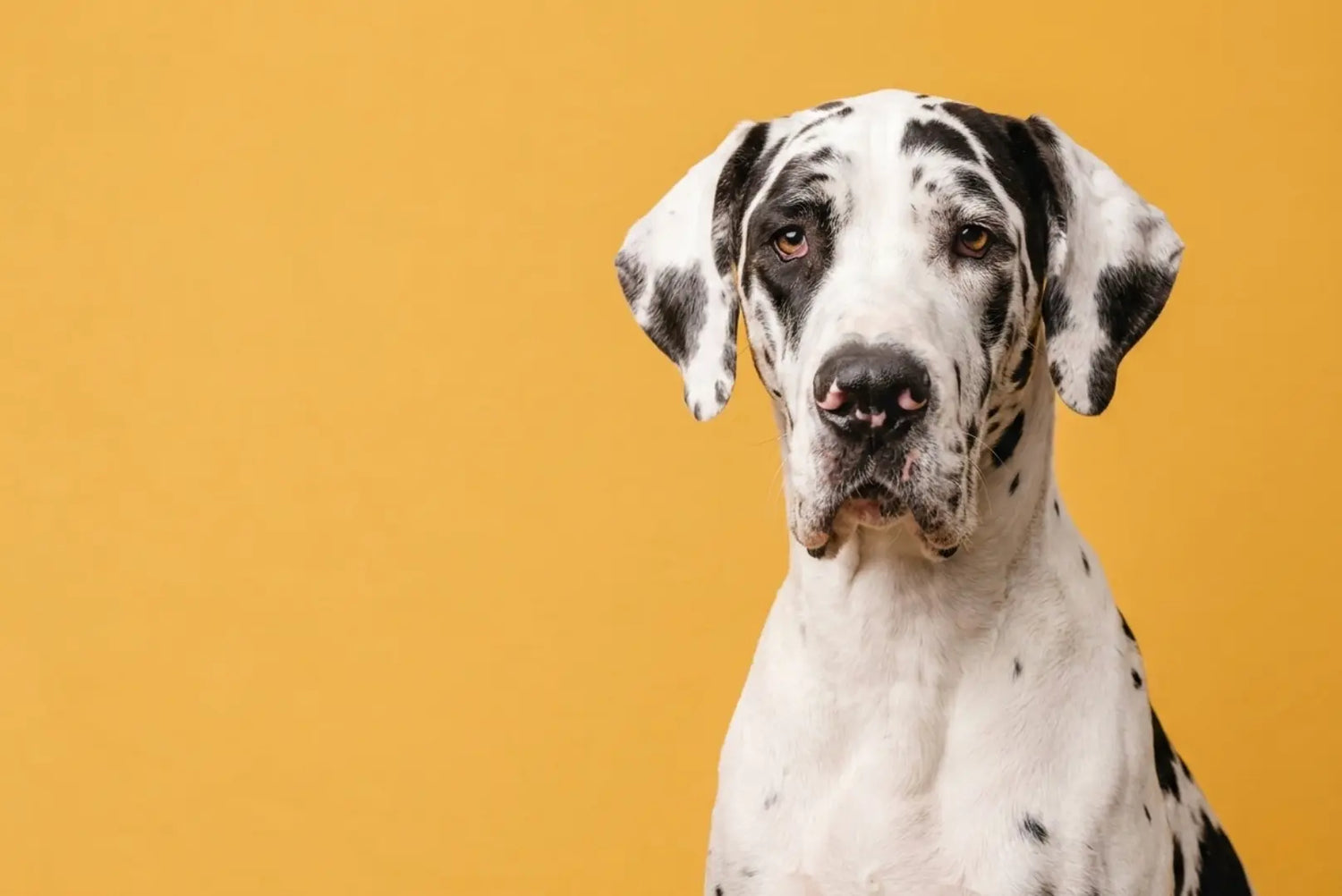
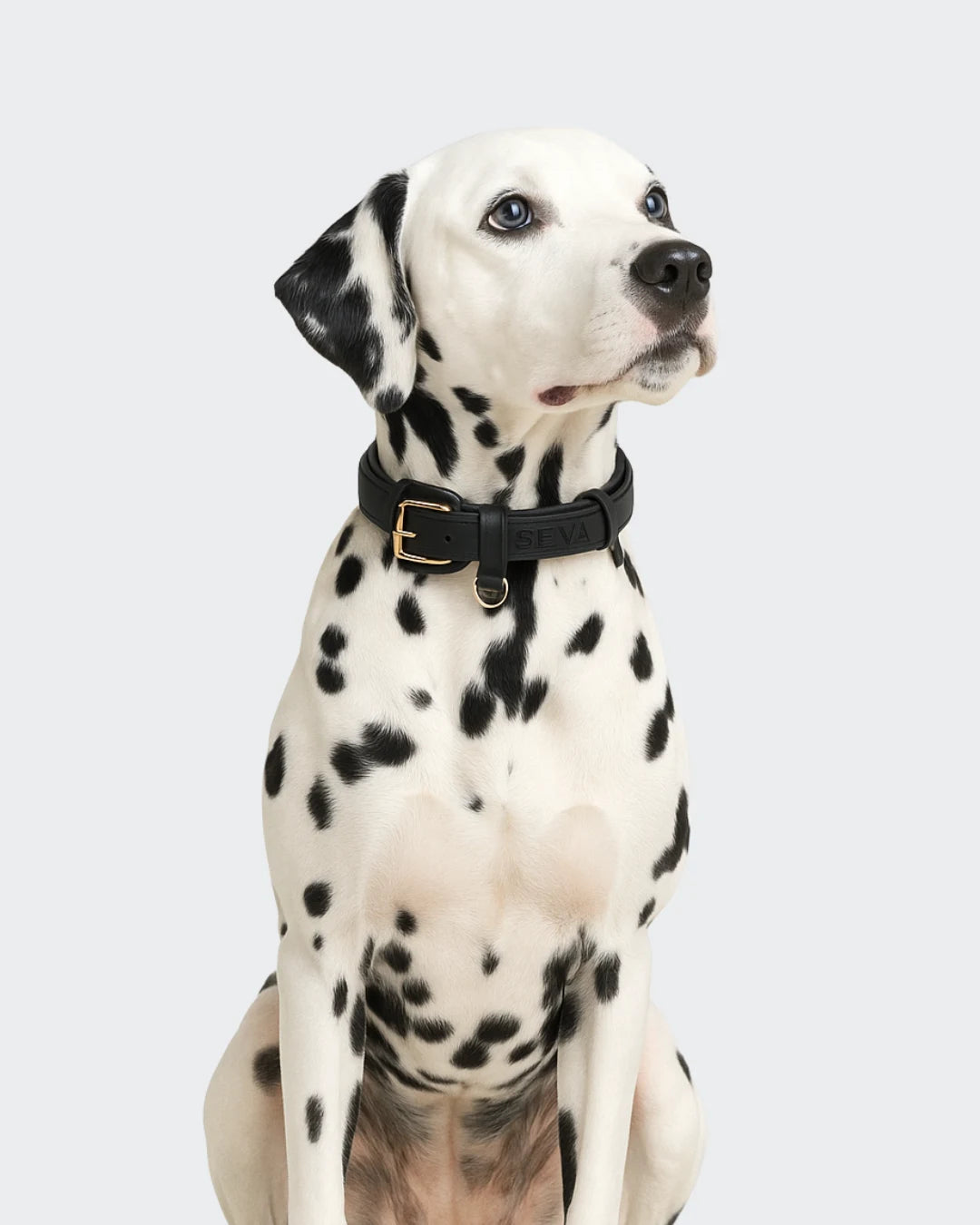
The harlequin pattern, with its irregular black patches on a white base, is especially iconic and gives the Great Dane one of its most recognizable looks.
Great Dane Temperament and Personality
Despite its imposing size, the Great Dane is known for being calm, friendly, and even-tempered. It's often called a "gentle giant," and for good reason. Typical personality traits include:
- Affectionate and deeply bonded to family
- Calm and steady in everyday situations
- Friendly with kids and other pets when properly socialized
- Alert without being an excessive barker
- Confident and easygoing, rarely aggressive
Originally bred as a hunting dog, the Great Dane has evolved into a devoted companion and family dog. It craves closeness with its people and thrives when fully included in family life. It doesn't do well being left alone for long stretches.

Caring for a Great Dane: What They Really Need
Space and Living Situation
Contrary to popular belief, a Great Dane doesn't necessarily need a sprawling backyard. What matters more than square footage is having enough room to stretch out and lie down comfortably, plus daily time outdoors. An apartment can work just fine, as long as the dog gets sufficient exercise.
Exercise and Mental Stimulation
Great Danes need regular but moderate exercise. This is especially important during puppyhood and adolescence, when the skeleton is still developing. Excessive jumping, long stair climbs, or intense rough play should be avoided during this stage to prevent joint damage.
Adult Great Danes benefit from:
- Long, relaxed walks
- Supervised off-leash time in a secure area
- Mental stimulation through scent work or puzzle toys
Training and Socialization
Given their sheer size, consistent, positive training starting in puppyhood is non-negotiable. A fully grown 175-pound dog needs to reliably respond to basic commands. Early socialization with other dogs, people, and everyday situations is key to raising a well-adjusted adult.
Great Dane Grooming
The Great Dane's short, smooth coat makes grooming fairly low-maintenance:
- Regular brushing with a rubber curry brush or soft-bristle brush to remove loose hair
- Occasional baths as needed
- Routine ear checks and cleaning
- Nail trims, especially important since Great Danes may not wear down their nails naturally
- Regular teeth brushing to prevent tartar buildup

Nutrition: What Large Breeds Need
Nutrition plays an especially important role for Great Danes, since large, fast-growing breeds are more prone to developmental issues. Key guidelines include:
- Large-breed puppy food with a properly balanced calcium-to-phosphorus ratio
- Several smaller meals instead of one large meal, to help reduce the risk of bloat
- Rest periods before and after meals
- High-quality, large-breed-formulated food in adulthood
- Regular weight checks to prevent obesity
Bloat (gastric dilatation-volvulus) is a particularly serious health risk for deep-chested, large breeds like the Great Dane. Elevated food bowls and calm feeding routines are commonly recommended, though the actual effectiveness of these measures varies, and it's worth discussing prevention strategies with a veterinarian.
Great Dane Health and Life Expectancy
The Great Dane is one of the shortest-lived dog breeds out there. While some sources cite a more optimistic 7 to 10 years, health monitoring data and mortality studies from German breed clubs paint a more sobering picture: average life expectancy is closer to 6 to 6.5 years, with only about a quarter of dogs living past age 8. Some Great Danes do reach 12 to 15 years, but that's the exception rather than the rule. The breed's short lifespan is largely attributed to its giant size combined with limited genetic diversity within the breed population. Known health risks include:
- Bloat (Gastric Dilatation-Volvulus)
- Hip dysplasia
- Heart disease, particularly dilated cardiomyopathy
- Growth-related orthopedic issues from overly rapid puppy growth
- Joint and bone problems
Working with a responsible breeder, scheduling regular veterinary checkups, and feeding an appropriate diet can go a long way toward catching many of these risks early or reducing them altogether. Always consult a veterinarian with health-related questions.

Is a Great Dane Right for You?
Owning a Great Dane takes some real consideration. The breed tends to be a great fit for:
- Experienced dog owners with time for consistent training
- Families looking for a calm but large companion dog
- People with the financial means to cover food, vet bills, and large-breed gear
- Owners who can offer plenty of closeness and companionship
The breed is less suited to people with very limited time, cramped living spaces with no outdoor access, or little experience handling large, powerful dogs.
Cost of Owning a Great Dane
Beyond the upfront cost of a puppy from a reputable breeder, future owners should budget realistically for ongoing expenses:
- High-quality large-breed food
- Veterinary costs, including checkups and vaccinations
- Pet insurance
- Large-format gear like a dog bed, crate, and other sized-up accessories
- Local pet licensing fees, where applicable
Final Thoughts: A Gentle Giant With a Big Heart
The Great Dane combines an imposing size with an exceptionally gentle, loving temperament. Owners who embrace what this breed truly needs, adequate exercise, proper nutrition, and consistent training, are rewarded with a loyal, calm, and deeply devoted companion. Choosing to bring a Great Dane into your life is a decision worth thinking through carefully; this gentle giant comes with a whole lot of personality and an equal measure of responsibility.

Great Dane FAQ
How big does a Great Dane get?
The FCI breed standard requires a minimum shoulder height of 31.5 inches for males and 28.5 inches for females. There's no official upper limit, and some record-holding dogs have topped 40 inches.
What's the average lifespan of a Great Dane?
Health monitoring data shows an average life expectancy of only about 6 to 6.5 years, making the Great Dane one of the shortest-lived dog breeds. Only around a quarter of dogs live past age 8, though some individuals reach 12 to 15 years.
Are Great Danes good for first-time owners?
Given their size and the training commitment involved, Great Danes tend to be better suited to more experienced dog owners.
Do Great Danes need a lot of exercise?
They need regular but moderate activity. Long, calm walks matter more than hours of rough play.
Where does the name "Great Dane" come from?
The English name comes from a historical mix-up, since the breed actually originated in Germany and is officially known as the Deutsche Dogge (German Mastiff).


Leave a comment
This site is protected by hCaptcha and the hCaptcha Privacy Policy and Terms of Service apply.