











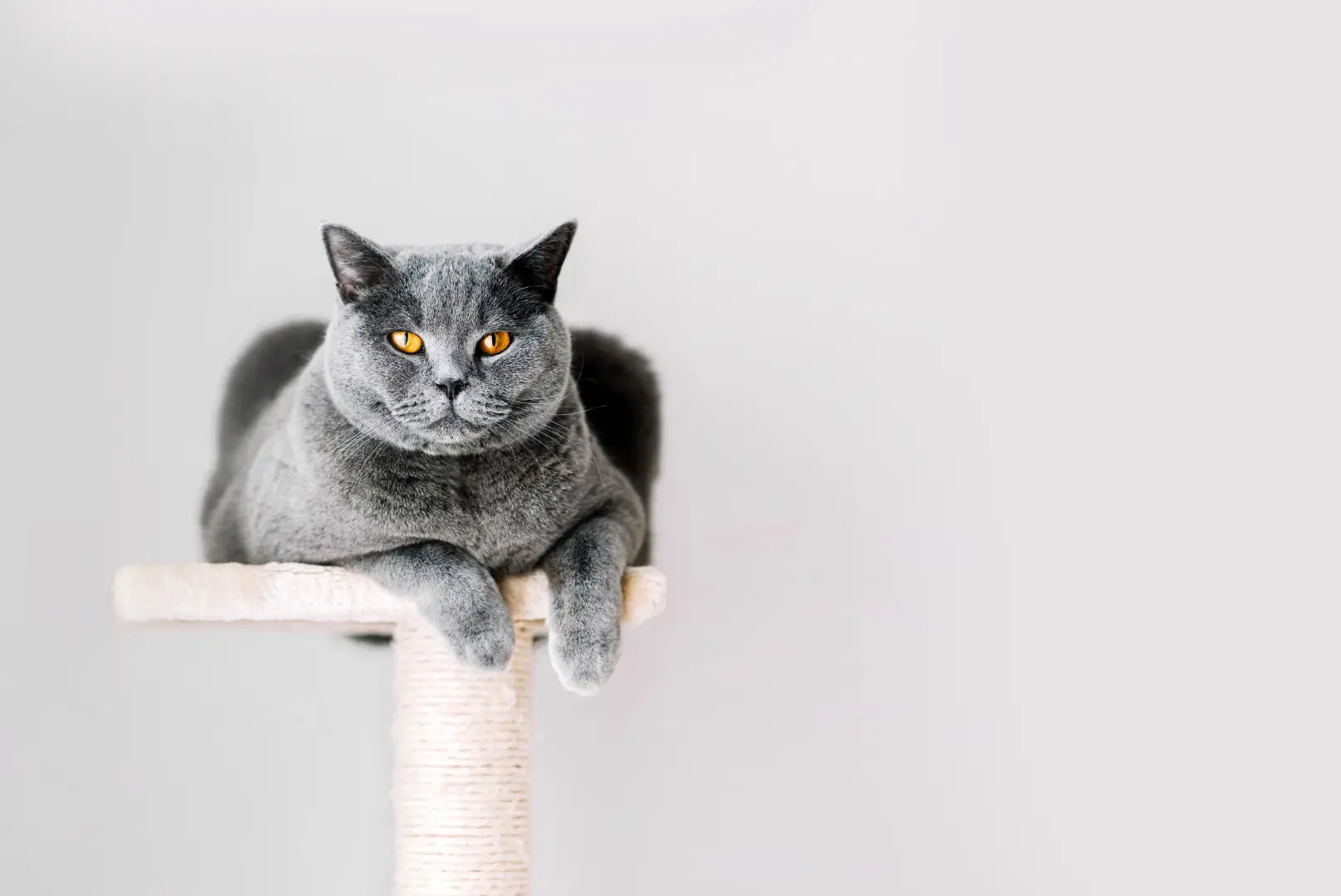







The decision of whether a cat should live exclusively indoors or be allowed to roam outside is one of the most hotly debated topics among cat lovers. While some emphasize limitless freedom and the expression of natural instincts, others point to the numerous dangers of the modern world. The fact is: there is no universal "right" answer.
A cat can lead a happy life in both environments. However, an indoor cat requires an environment that stimulates their senses, while an outdoor cat needs a setting that maximizes their chances of survival. Today, the trend is clearly moving toward "Secured Outdoor Access"—the perfect middle ground for responsible owners.
The answer lies in carefully balancing safety, quality of life, and the natural needs of your cat.
Table of Contents
- The Biological Background: What Cats Truly Need
- Benefits of Indoor Living: A Safe Haven
- Challenges: When the Ceiling Starts Closing In
- Catification: Turning Your Home into a Territory
- Outdoor Life: A World Full of Adventure
- The Dark Side of Freedom: Outdoor Risks
- Checklist: What Fits Your Situation?
- The Middle Ground: Secured Outdoor Access
- FAQ: Frequently Asked Questions
- Conclusion: Your Commitment Makes the Difference
The Biological Background: What Cats Truly Need
To understand if an indoor life is sufficient, we must look at the heritage of the African Wildcat. Cats are specialized hunters and territorial animals. In nature, their daily routine consists of patrolling territory, stalking, hunting, and long periods of rest in safe spots.
In a home, the thrill of the real hunt and the constant change of the environment are missing. This means that as an indoor cat owner, you take on the role of Mother Nature. You are responsible for their mental and physical enrichment. An outdoor cat, on the other hand, manages this themselves but pays a price in the form of increased stress from foreign territories and environmental hazards.

Benefits of Indoor Living: A Safe Haven
The most obvious benefit of keeping a cat indoors is safety. Statistically, indoor cats live significantly longer than their outdoor counterparts. But there are other benefits as well:
- Health Control: You will immediately notice if your cat is eating less or having litter box issues. In outdoor cats, illnesses often go undetected for much longer.
- Infection Protection: Dangerous diseases such as FIV (Feline Immunodeficiency Virus) or FeLV (Feline Leukemia Virus) are usually transmitted through fights with infected strays.
- No Toxins or Accidents: The risk of traffic accidents, unfriendly neighbors, or toxic plants in a neighbor's garden is completely eliminated.
- Stronger Human Bond: Indoor cats often interact more intensely with their owners, as you are their primary source of entertainment and affection.
Challenges: When the Ceiling Starts Closing In
Pure indoor living without stimulation often leads to "indoor tiger frustration." Without stimuli, cats can become lethargic or develop behavioral issues such as destructive scratching or over-grooming. A decisive factor here is socialization. While outdoor cats maintain social contacts outside, an indoor cat is often lonely if kept alone. A second cat is almost always the better choice for an indoor lifestyle.
Catification: Turning Your Home into a Territory
If you choose an indoor lifestyle, you must "catify" your space. This means:
- Vertical Space: Cats think in three dimensions. Wall shelves as stairs, high cabinets as vantage points, and floor-to-ceiling scratching posts effectively double the cat's living space.
- Window Safety: In the US, screens are standard, but ensuring they are sturdy is key. A window perch allows the cat to safely sniff fresh air and watch birds—often called "Cat TV."
- Hunting Replacement: Food shouldn't just sit in a bowl. Food puzzles and foraging toys that make the cat work for their meal promote intelligence and prevent obesity.

Outdoor Life: A World Full of Adventure
For many, an outdoor cat represents the image of a "happy cat." The benefits are undeniable:
- Maximum Stimulation: Catching mice, climbing real trees, and marking territory engage a cat's natural instincts perfectly.
- Natural Rhythms: Outdoor cats often sync better with natural light cycles and are generally more muscular and agile.
- Fewer Litter Box Issues: Most outdoor cats do their business outside, which makes home hygiene much easier.
The Dark Side of Freedom: Outdoor Risks
One must not romanticize the dangers. In the US, predators (like coyotes in certain areas) and heavy traffic pose constant threats. Other risks include:
- Human Factors: Neighbors who might dislike cats, or people who feed your cat without permission, potentially "luring" them away.
- Fight Injuries: Bite wounds from other cats often lead to severe abscesses and infections.
- Disappearance: It is every owner's greatest fear: the cat simply doesn't come home because they were accidentally trapped in a garage or shed.

Checklist: What Fits Your Situation?
Ask yourself these questions honestly before making a decision:
- Where do you live? A quiet cul-de-sac with a backyard? (Outdoor/Secured possible). A 4th-floor apartment near a busy highway? (Indoor only).
- What is the cat's history? Former strays can almost never be kept strictly inside. Bottle-fed kittens are often overwhelmed by the outdoors.
- Do you have the time? An indoor cat needs at least 30-60 minutes of active playtime with you every single day.
- Do you have the nerves? Can you handle the anxiety if your cat doesn't show up for dinner one night?
The Middle Ground: Secured Outdoor Access
More and more experts recommend a compromise. A cat-proofed yard with a fence that leans inward offers the best of both worlds. A Catio (a large, walk-in outdoor enclosure) is also a fantastic option. Your cat can feel the wind and hear the birds while staying completely safe from traffic and predators.

Frequently Asked Questions (FAQ)
Can you leash-train an indoor cat?
Yes, for some cats, leash training works very well. However, it requires a lot of patience and isn't a direct replacement for free roaming, as the cat cannot decide where to go on their own.
Do outdoor cats need more vaccinations?
Yes, outdoor cats require protection against Rabies and FeLV in addition to core vaccines. Monthly parasite prevention (flea, tick, and heartworm) is also mandatory.
Is keeping a cat indoors cruel?
In a barren, empty home, yes. In a thoughtful, stimulating environment with social interaction (a feline companion!), it is a perfectly humane and safe way of life.
Conclusion: Your Commitment Makes the Difference
Whether indoor or outdoor—in the end, what matters is how well you meet your cat's needs. An indoor cat with an engaged owner who provides play and climbing opportunities leads a more fulfilled life than an outdoor cat that is left to fend for itself and experiences constant stress. Carefully consider your environment and your cat's personality—then you will make the right decision for your beloved family member.


Leave a comment
This site is protected by hCaptcha and the hCaptcha Privacy Policy and Terms of Service apply.