

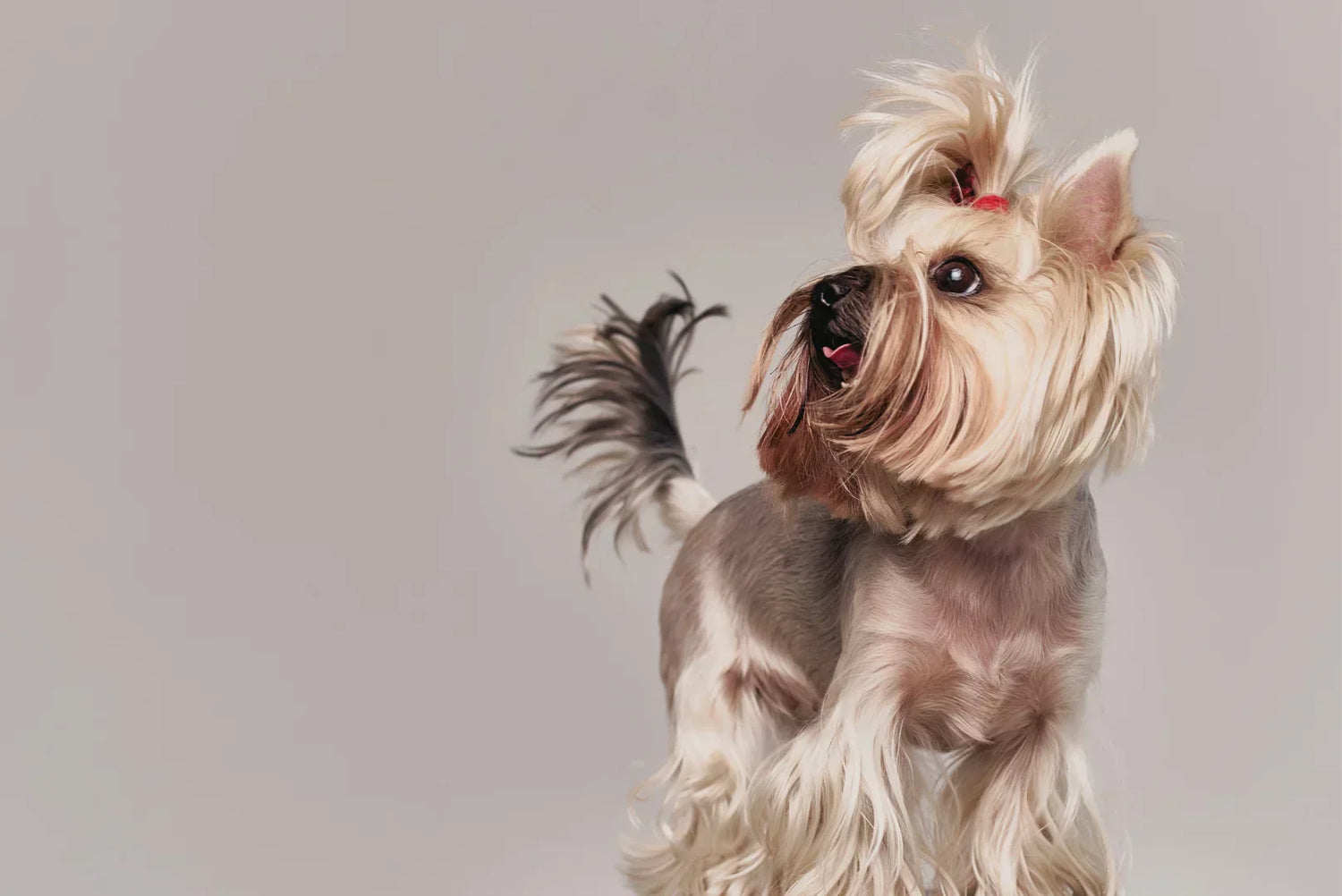
The Yorkshire Terrier (Yorkie) is a tiny, alert companion with a huge personality, often described as a "big dog in a small body." He is known to be eager to learn, people-oriented, and surprisingly athletic. This guide summarizes everything important about his temperament, consistent training, demanding coat maintenance (grooming), health, and acquisition, ensuring your Yorkie stays relaxed and healthy in everyday life.
Table of Contents
- Origin & History
- Appearance & Special Features (The Coat)
- Temperament & Character
- Family Life & Living Together
- Training & Obedience
- Health & Typical Issues (Knees, Trachea, Teeth)
- Coat Care & Grooming (Daily Routine)
- Nutrition & Weight Management
- Exercise & Activity (Mental Work over Endurance)
- Apartment Living, City & Travel
- Puppies & the First Months
- Acquisition, Costs & Responsibility
- Who is the Yorkshire Terrier Suitable For?
- FAQ
- Breed Snapshot (Table)
Origin & History: From Rat Catcher to Lapdog
The Yorkshire Terrier originated in the 19th century in Northern England (Yorkshire County). Initially, he helped in textile mills and markets as a fearless rat and mouse catcher. Only later did his elegant appearance make him a popular companion dog for ladies. His current alertness, courage, and strong bond with humans stem from this working past.

Appearance & Special Features (The Hair)
Small, compact, and noble in appearance. Typical is the long, silky coat, similar to human hair, in the colors Steel Blue and Tan. Yorkies have a fine bone structure, small V-shaped erect ears, and dark, watchful eyes. Many wear a Topknot (hair bow) to prevent hair from falling into their eyes.
Important: The coat is single-layered and lacks an undercoat. Full shaving is often avoided as it can permanently alter the texture of the hair. Regular brushing, trimming, and dematting are preferable.
Temperament & Character: Alert, Affectionate & Clever
The Yorkie is lively, curious, and extremely intelligent. He loves closeness (often as a lapdog) and activity. He enjoys barking loudly to alert, but can be well managed with consistent training. He may appear reserved toward strangers but remains fundamentally friendly. His great sense of humor and enjoyment of small tricks are typical of this breed.

Family Life & Living Together
The Yorkshire Terrier functions well as a family dog if clear structures are in place and he is not treated like a toy. Short, intense play periods, reliable resting spots, and regular walks bring balance. He gets along well with respectful children. To protect his kneecaps and back, jumping from high places (e.g., sofas) should be avoided.
Training & Obedience: Consistency in Miniformat
The Yorkie learns extremely quickly but requires 100% consistency and benefits from clear, short sessions with high-value rewards. Key areas include:
- Basic Commands should be established early and playfully.
- An effective Recall is vital, as his prey drive is often underestimated.
- Leash Manners should be built using stop-and-go methods and eye contact.
- Impulse Control should be practiced through waiting, release commands, and calm greetings to reduce unnecessary barking.
Health & Typical Issues (Knees, Trachea, Teeth)
Despite his hardiness, the Yorkie has some breed-specific vulnerabilities that should be minimized through selective breeding and proper management:
- Patellar Luxation (PL): Dislocation of the kneecap. Limit jumping and stair climbing, ensure non-slip floors, and prevent obesity.
- Tracheal Collapse: Sensitive windpipe. Always use a well-fitting harness instead of a collar to avoid pressure.
- Teeth: Small breeds are highly prone to dental tartar. Get him used to daily Dental Care early and ensure regular vet checks.
- Hypoglycemia: Especially in puppies and very small specimens. Multiple small meals throughout the day are crucial.
- Eyes/Ears: Keep hair around the eyes and ear canal clean and short to prevent irritation and infection.
Coat Care & Grooming (Daily Routine)
The care of the long, silky coat is the biggest challenge of this breed:
- Brushing: Daily brushing is essential to prevent matting.
- Bathing: Bathe as needed (at least every 2 weeks for long coats) with a mild shampoo, dry thoroughly, and comb through.
- Protection: Keep paws, ear edges, and the sanitary area clean, and trim nails regularly. A Topknot (or trimming the forehead hair) is important for eye hygiene.
Tips for coat care in winter can be found in our guide to Winter Coat Care.
Nutrition & Weight Management
Choose a high-quality Small-Breed Formula with small kibbles, tailored to the needs of small, active dogs. The daily ration should be weighed, and treats must be accounted for. A lean body condition is crucial to protect joints (PL) and the trachea.

Exercise & Activity (Mental Work over Endurance)
The Yorkie's exercise requirement is moderate. He is not merely a lap dog but also not a marathon runner. Several short walks, free sniffing phases, and plenty of Mental Stimulation keep the Yorkie happy. Tricks, target training, search games, and small-scale agility are fun and promote his concentration and bond.
Apartment Living, City & Travel
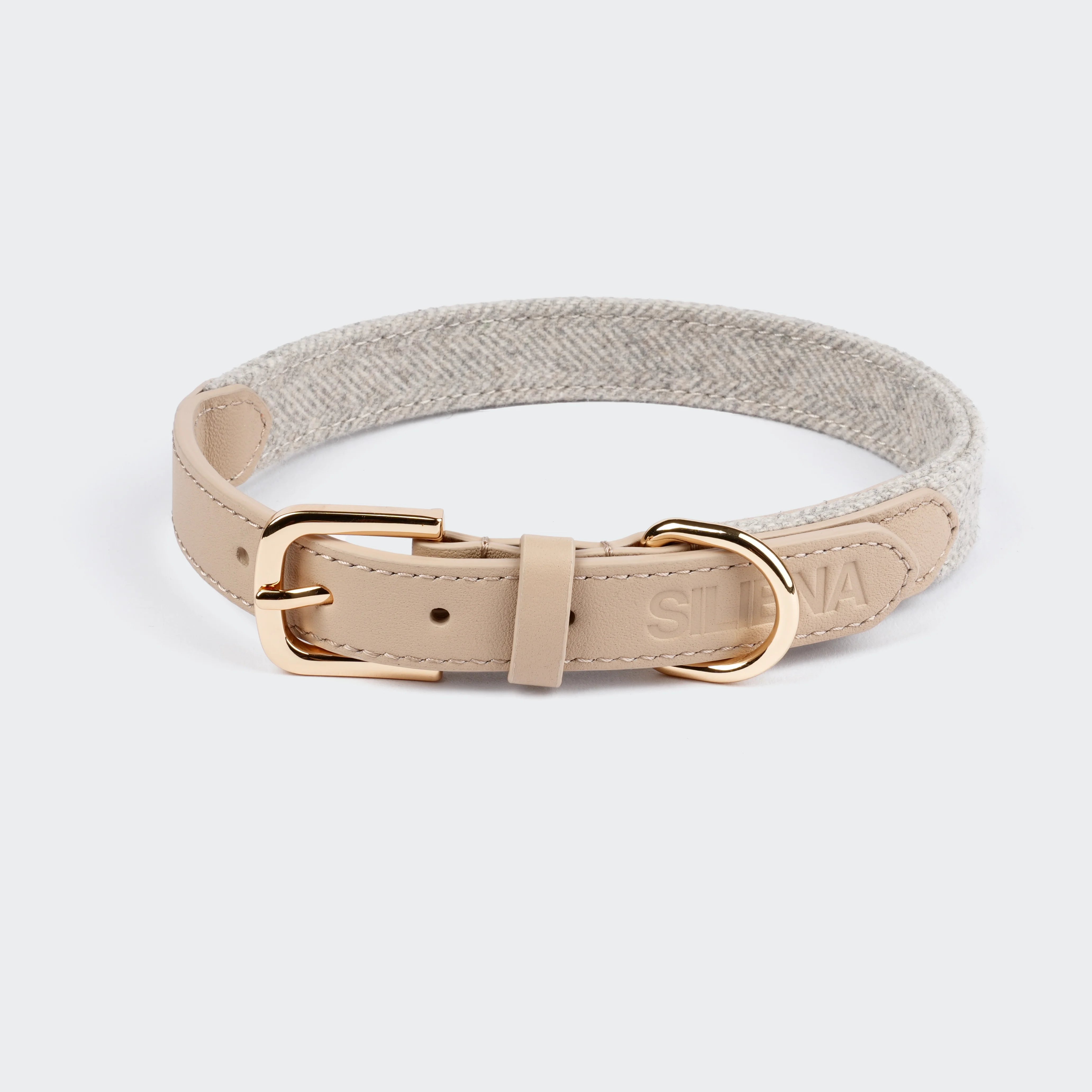
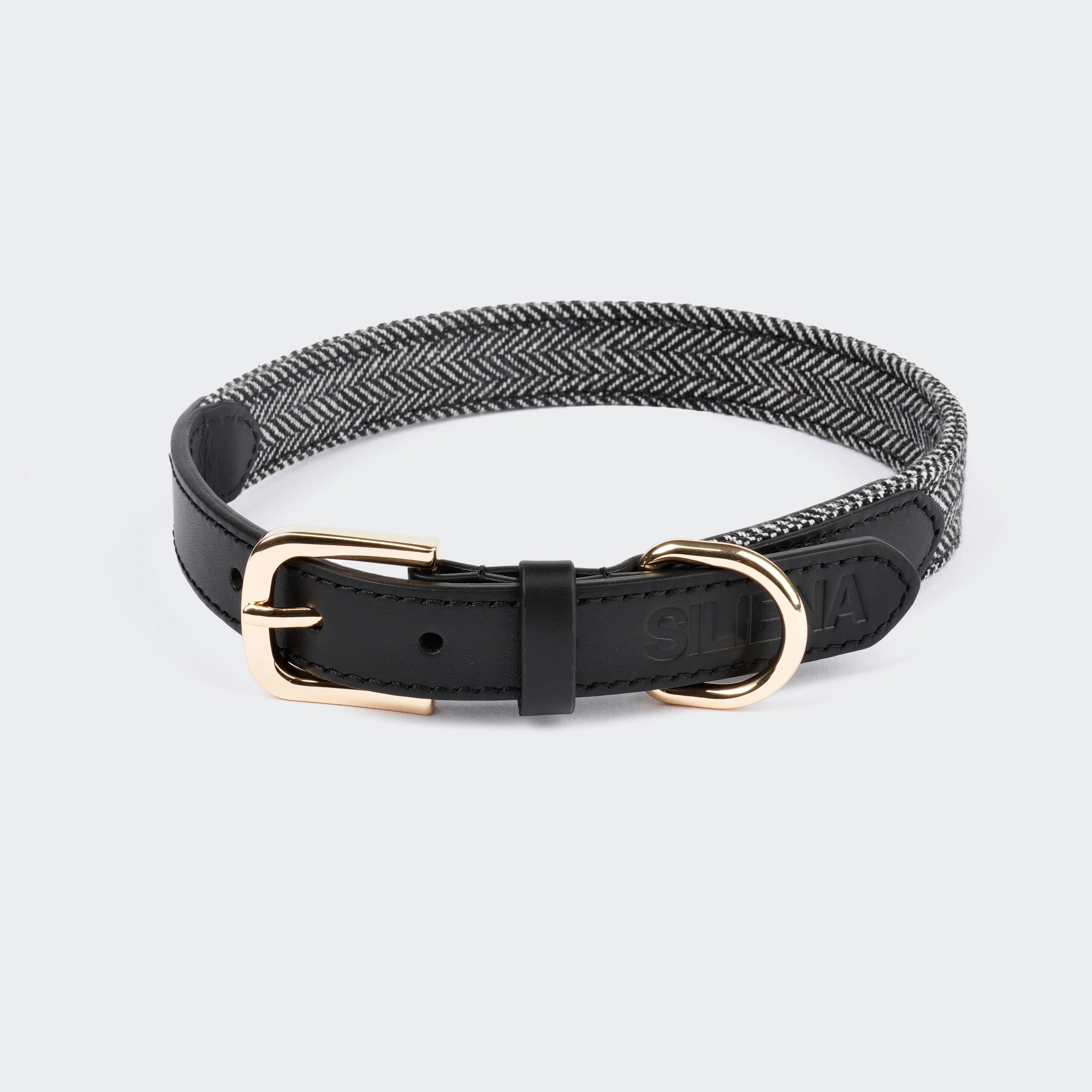
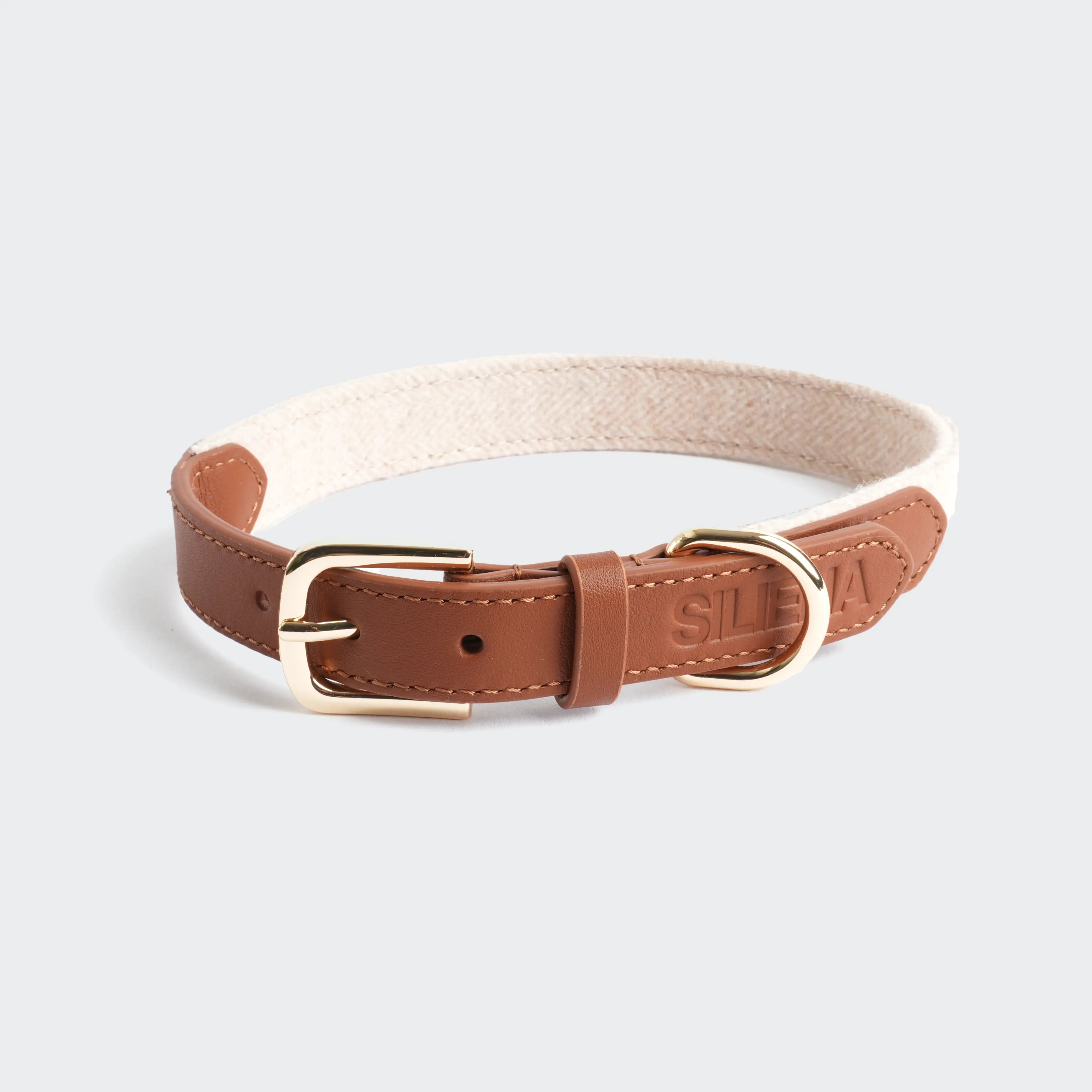
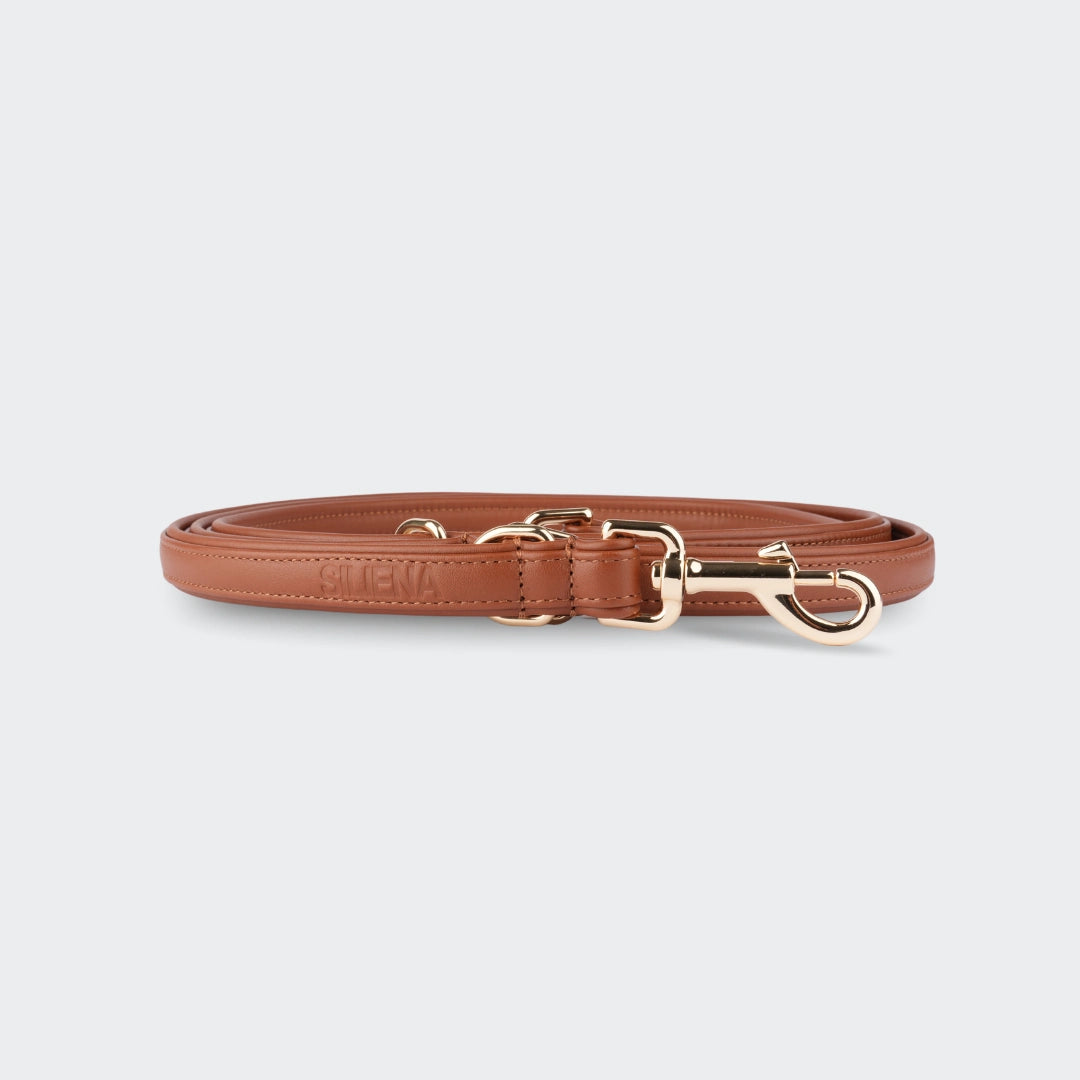
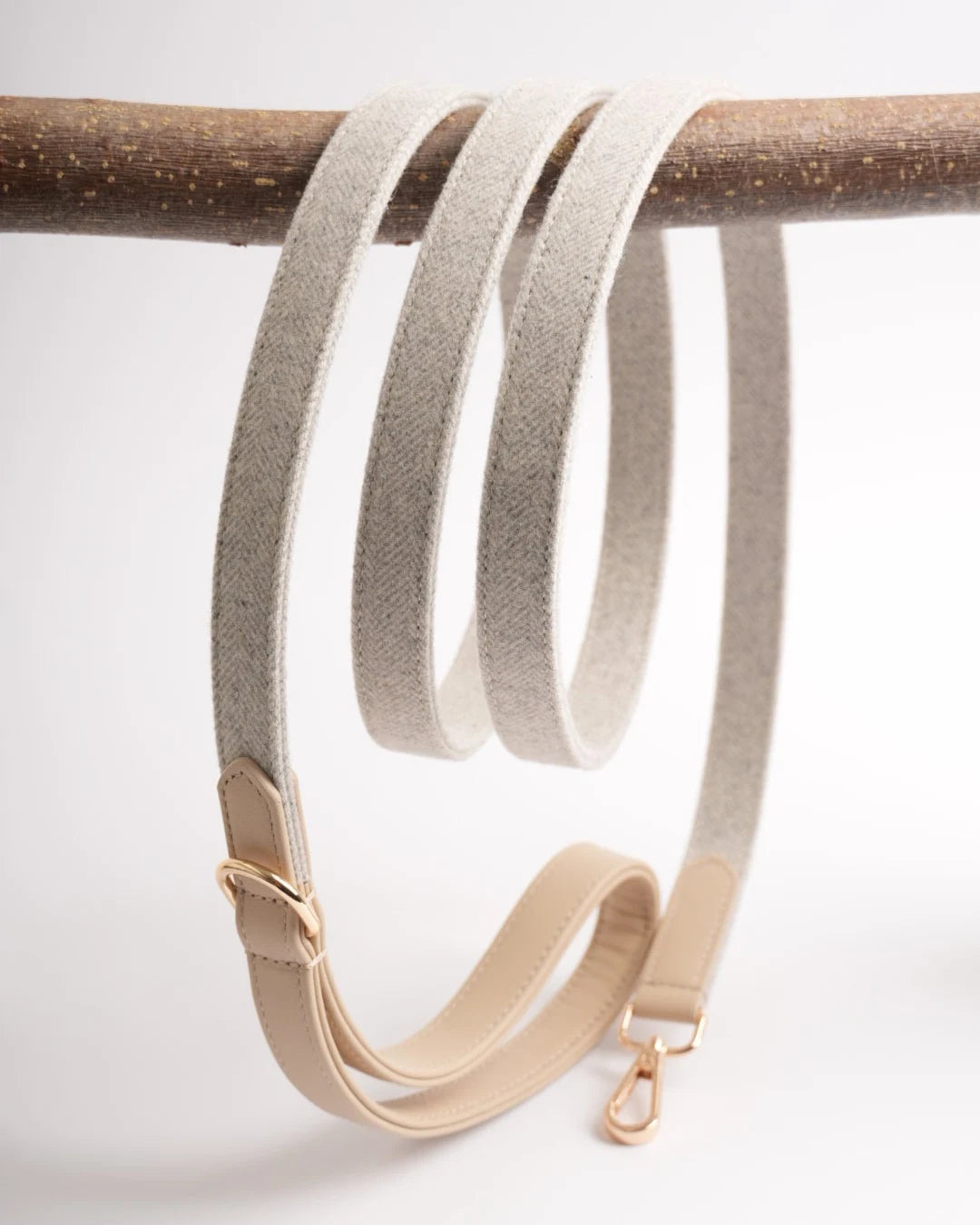
The Yorkie is highly suitable for apartment living and city life. Routines and quiet commands help reduce barking incidents. For public transport or cafes, a mat serves as a mobile resting spot. Tips for urban daily life are compiled in our City Living Guide. Recommended gear includes a soft collar (for decoration only) or, preferably, a well-fitting harness and light leashes.
Puppies & the First Months
Socialize broadly, but always in small, calm doses to avoid overwhelming him. Positively associate grooming from the start. Support is offered by the guides on Puppy Training and First Walks. A long line and focusing on the human help outside, and polite contacts promote his safety.

Acquisition, Costs & Responsibility
Budget for food, extensive grooming (professional care), vet checks (especially dental care), insurance, and equipment. Carefully check the breeder's background and Health Clearances (PL-Free Status). A good orientation is provided by the Puppy Buying Checklist.
Who is the Yorkshire Terrier Suitable For?
- People who train kindly and consistently and enjoy mental exercise.
- City dwellers or seniors with clear routines and a focus on short, intensive activities.
- Families with respectful children.
- Beginners who take grooming and dental hygiene seriously.
Less suitable if there is little time for daily grooming and training, or if rough, uncontrolled play is expected daily.
FAQ
Does the Yorkie bark a lot?
He likes to alert. This can be well managed with proper management, alternative signals, and engagement.
Does the Yorkie shed heavily?
The silky hair sheds moderately (he does not shed like a dog with an undercoat). Daily brushing reduces loose hair and prevents matting.
Is the Yorkie suitable for beginners?
Yes, with guidance and fixed routines. The intensity of grooming and necessary dental hygiene should be taken seriously and practiced from the start.

Yorkshire Terrier Breed Snapshot
| Origin | Great Britain (United Kingdom) |
| Size | Approx. 8–9 inches (20–23 cm) |
| Weight | Approx. 4–7 pounds (2–3.2 kg) |
| Life Expectancy | 12–15 years |
| Coat | Long, silky hair; single layer (no undercoat) |
| Colors | Steel Blue and Tan |
| Temperament | Lively, alert, affectionate, clever, courageous |
| Activity Level | Moderate; focus on mental work and short, active rounds |
| Grooming | Medium to High; daily brushing, regular bathing and trimming |
| Suitable for Beginners? | Yes, with guidance |
| Special Traits | Sensitive trachea, Dental Care and PL prevention important, Topknot recommended |
| Price | from approx. $1,500–$3,500 depending on lineage and quality |



Leave a comment
This site is protected by hCaptcha and the hCaptcha Privacy Policy and Terms of Service apply.