

Table of Contents
- Temperament and Personality
- Exercise and Activity Needs
- Grooming and Health
- Bernese Mountain Dog Puppies
- Recommended Gear
- Conclusion
- Bernese Mountain Dog Factsheet
Temperament and Personality
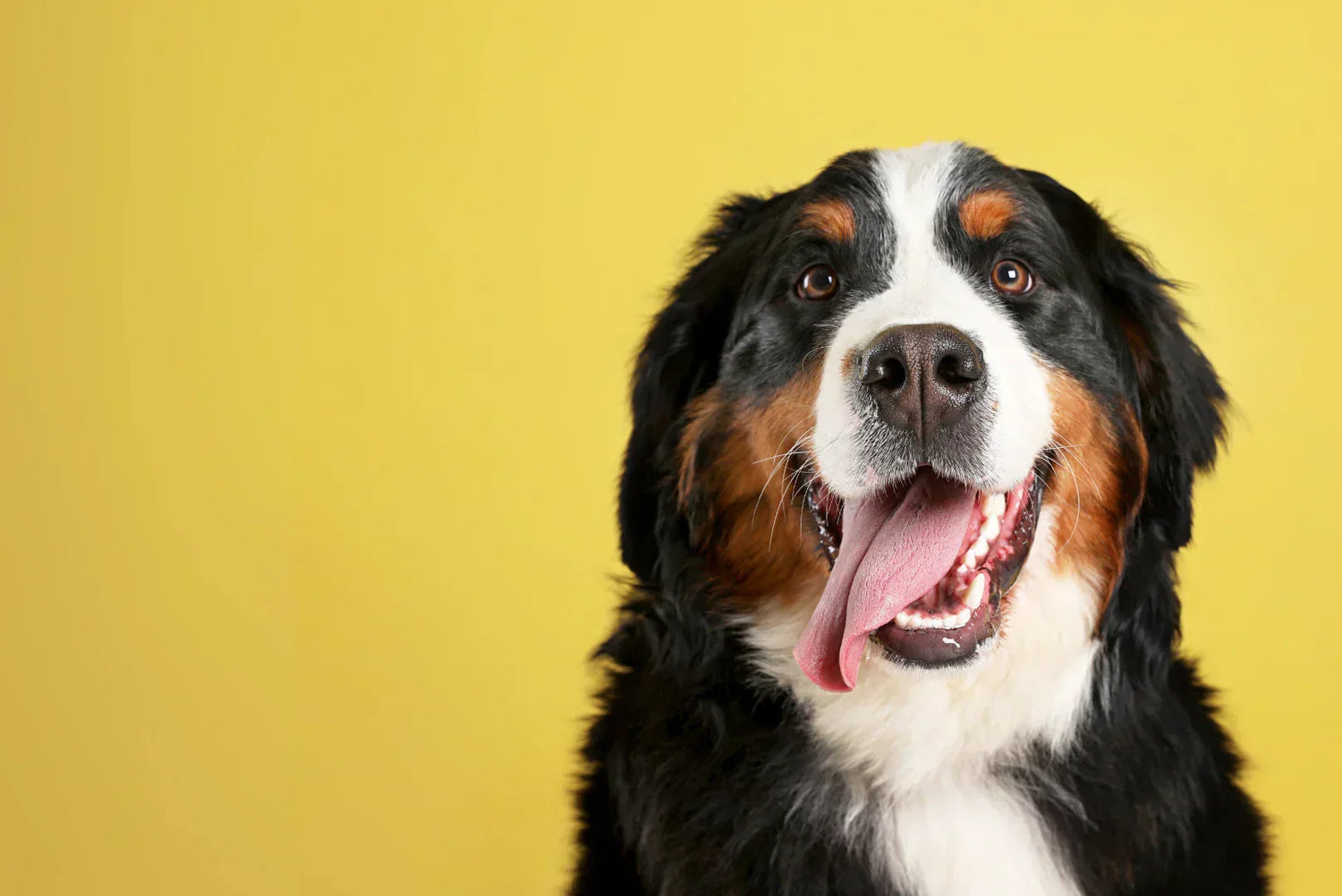
The Bernese Mountain Dog is a calm, friendly, and well-balanced breed, known for its impressive stature and gentle nature. Originally bred in Switzerland as a farm and working dog, today the Bernese shines as a loyal family companion and dependable partner. Deeply people-oriented and affectionate with children, they are generally friendly with strangers while remaining alert when needed.
- Gentle and good-natured
- Highly family-oriented
- Alert without excessive barking
- Adaptable with sufficient mental and physical stimulation

Exercise and Activity Needs
While the Bernese Mountain Dog is not a high-energy athlete, they still require daily activity to stay healthy and balanced. Multiple leisurely walks combined with moderate play sessions are ideal. Due to their large size, they are less suited for high-intensity sports like agility, but they enjoy long hikes and nature walks.
- Daily activity: around 1.5–2 hours
- Best suited for: hiking, retrieving games, scent work
- Not suitable for: extreme heat or high-intensity sports
Grooming and Health
The Bernese Mountain Dog’s long, silky coat requires regular grooming to prevent matting. During shedding seasons, brushing should be done several times a week. The breed can be prone to certain hereditary health conditions, making responsible breeding essential.
- Regular brushing (2–3 times a week, more during heavy shedding)
- Health concerns: hip dysplasia (HD), elbow dysplasia (ED), cancer, gastric torsion
- Sensitive to heat – opt for cooler times of day during summer walks
Bernese Mountain Dog Puppies
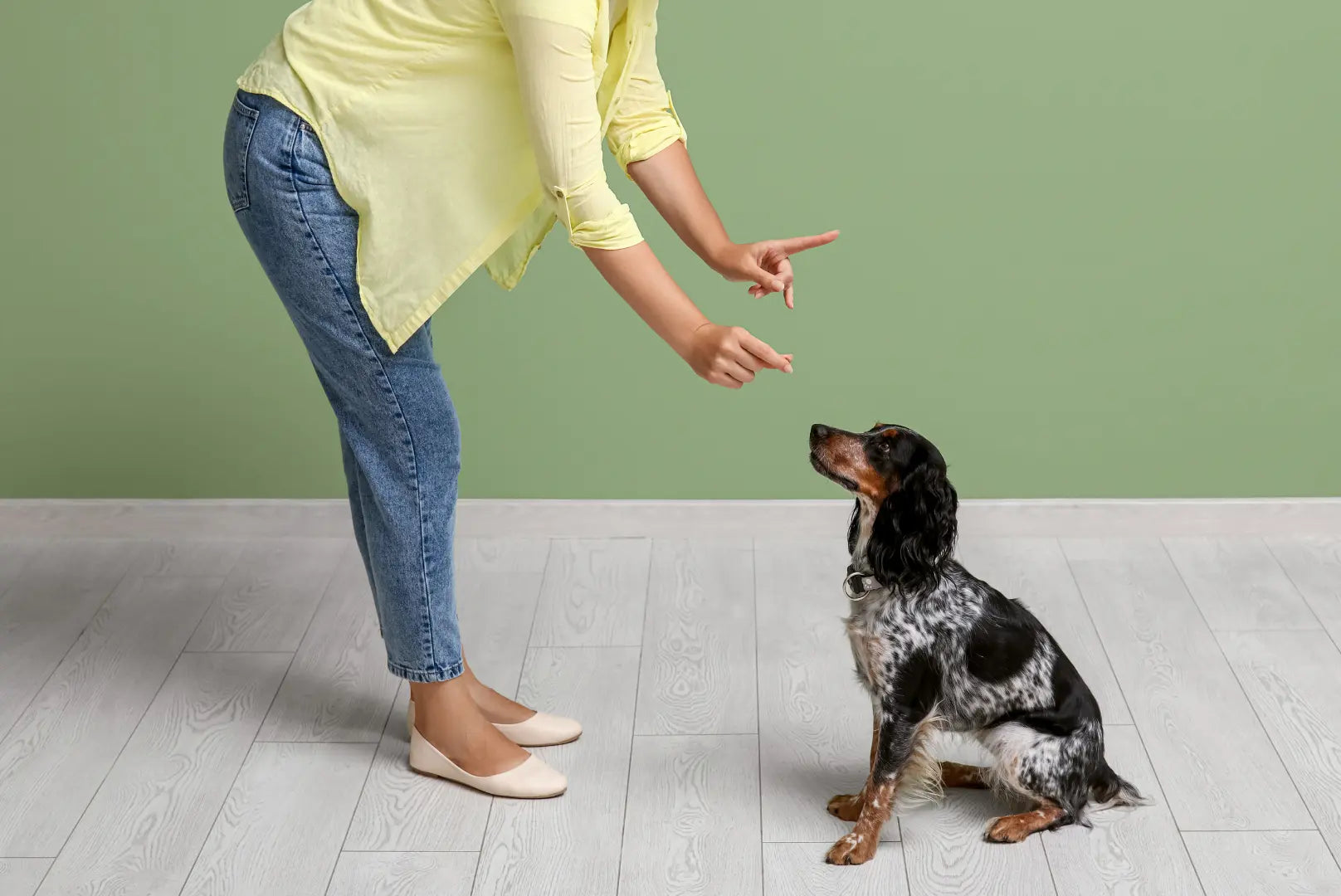
A Bernese Mountain Dog puppy is affectionate, playful, and fast-growing. Early months require consistent but gentle training to prevent behavioral issues later on. Their people-oriented nature makes bonding easier, but socialization and basic commands should be introduced right away.
Key focus areas during puppyhood:
- Socialization: Exposure to various people, dogs, sounds, and environments.
- Basic commands: Sit, stay, recall, and loose leash walking should be established early.
- Health check: Follow vaccination schedules and vet visits in the first year.
- Joint protection: Avoid stairs and intense jumping to protect growing joints.
The growth phase is especially critical for Bernese Mountain Dogs. A balanced diet, age-appropriate exercise, and adequate rest are key to healthy development.

Recommended Gear
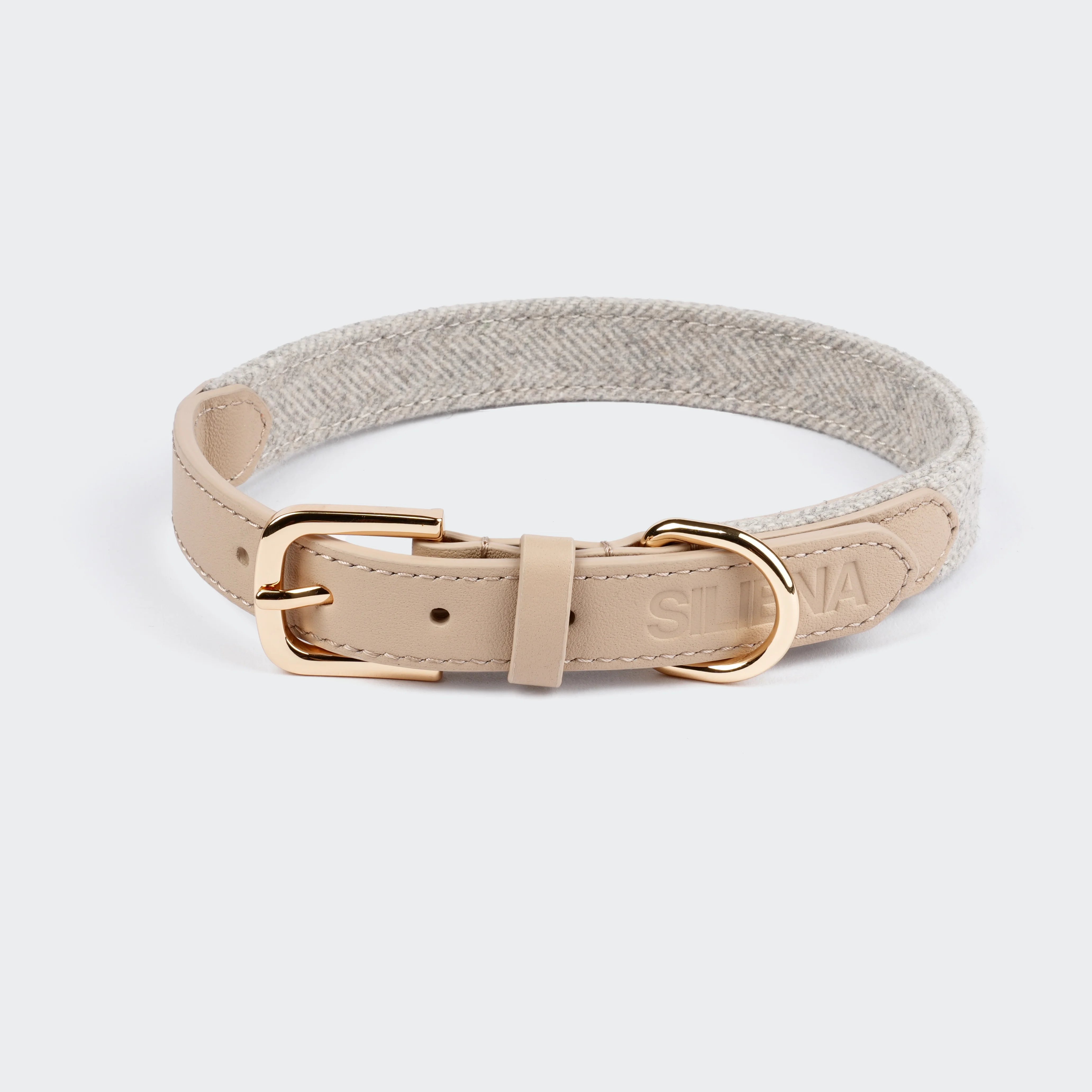
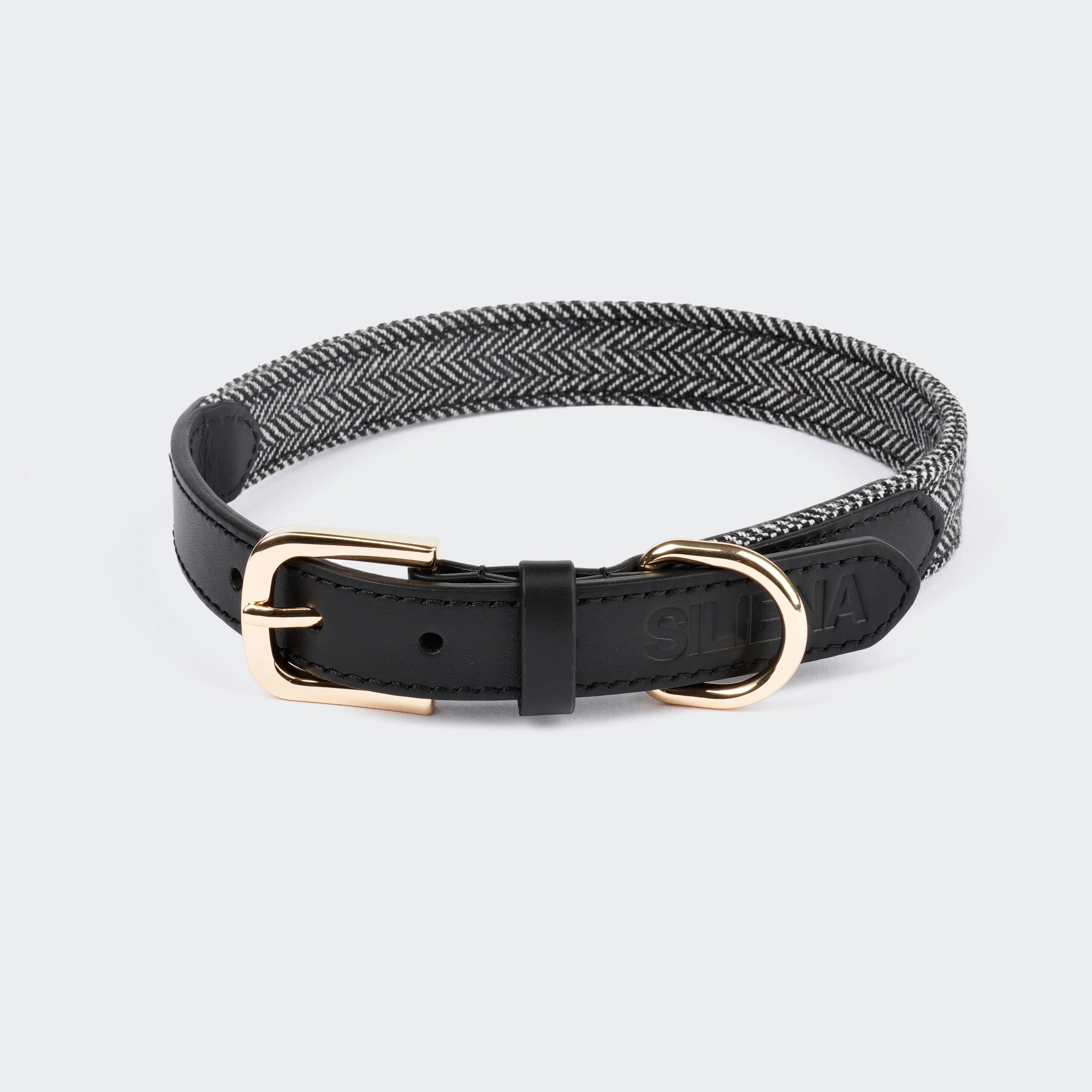
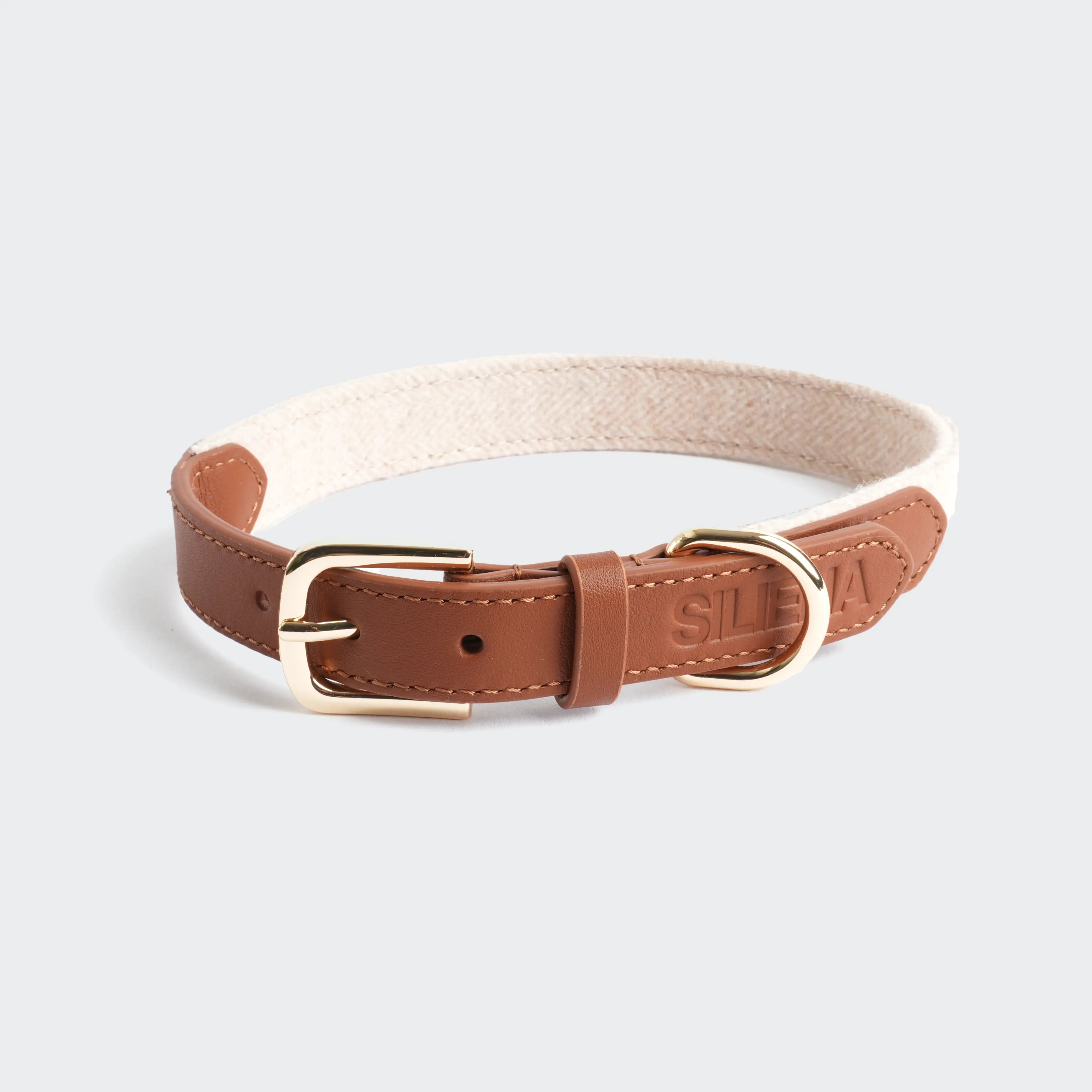
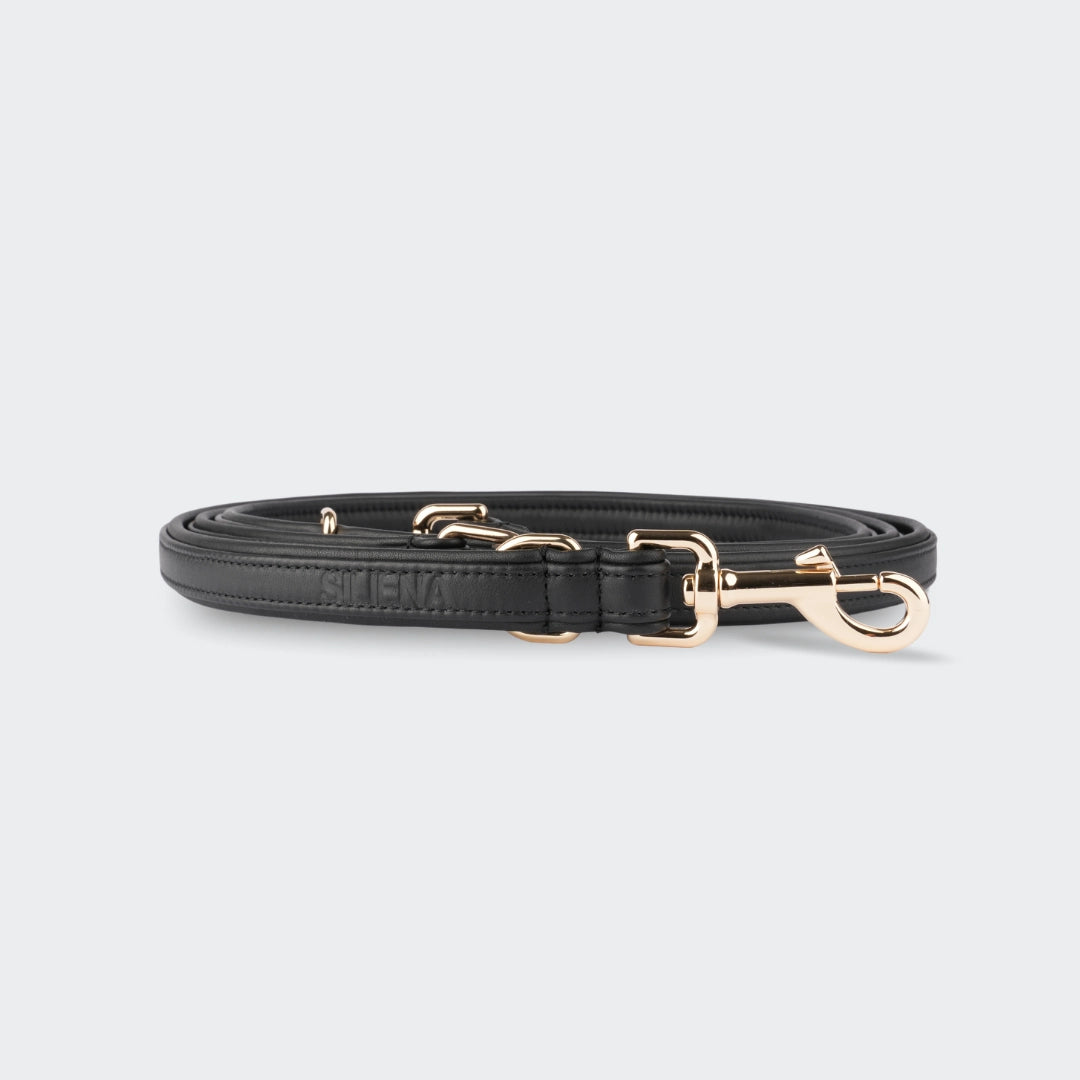
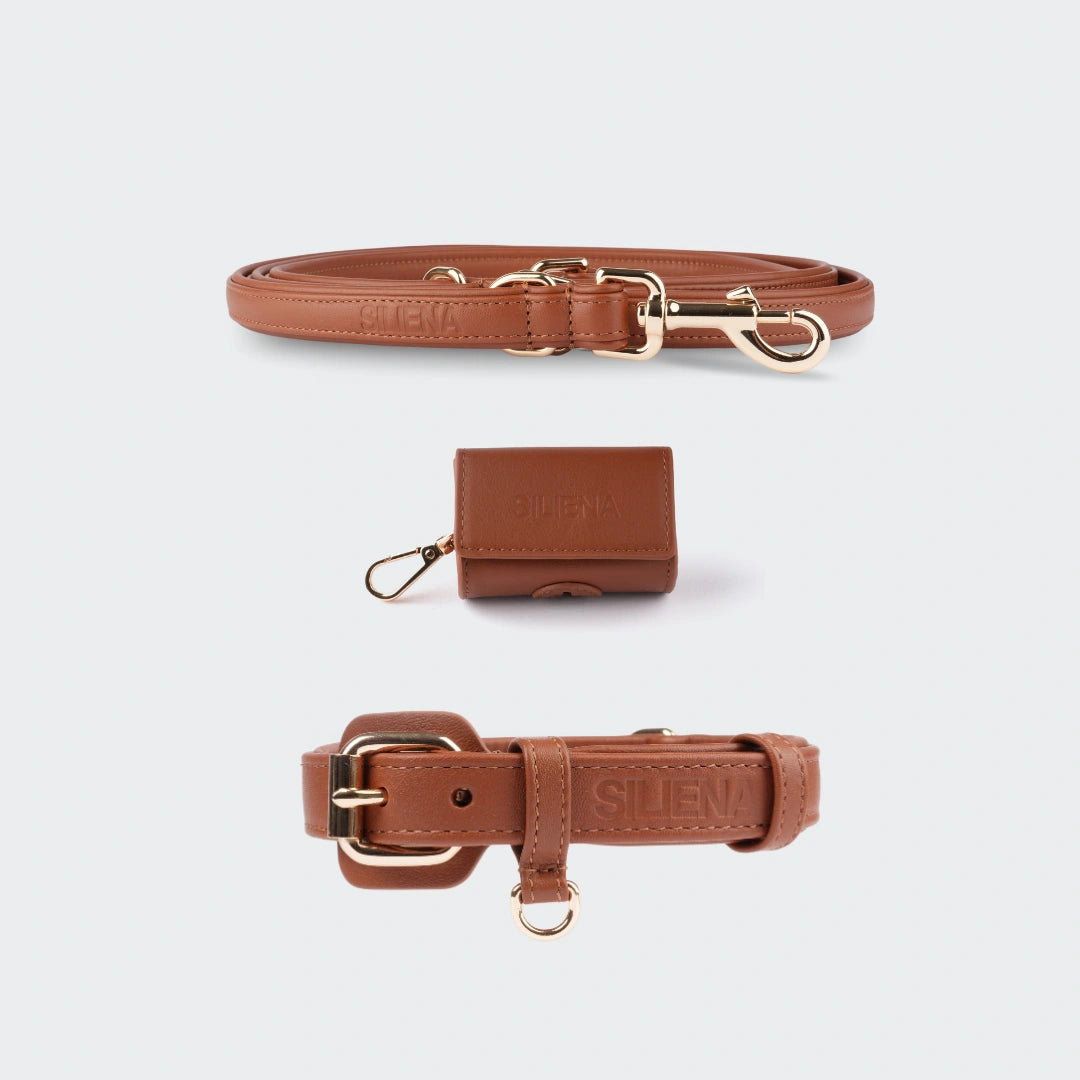
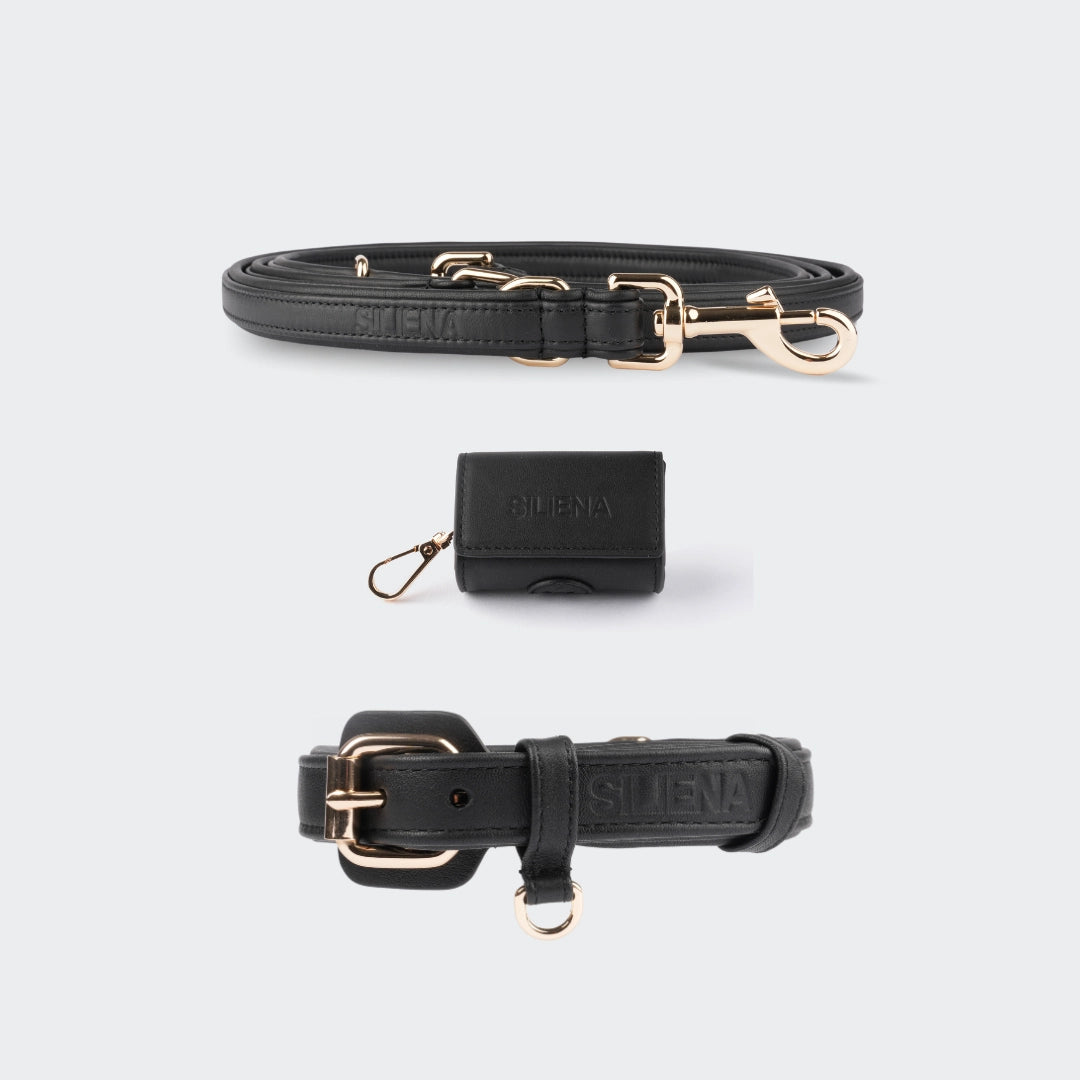
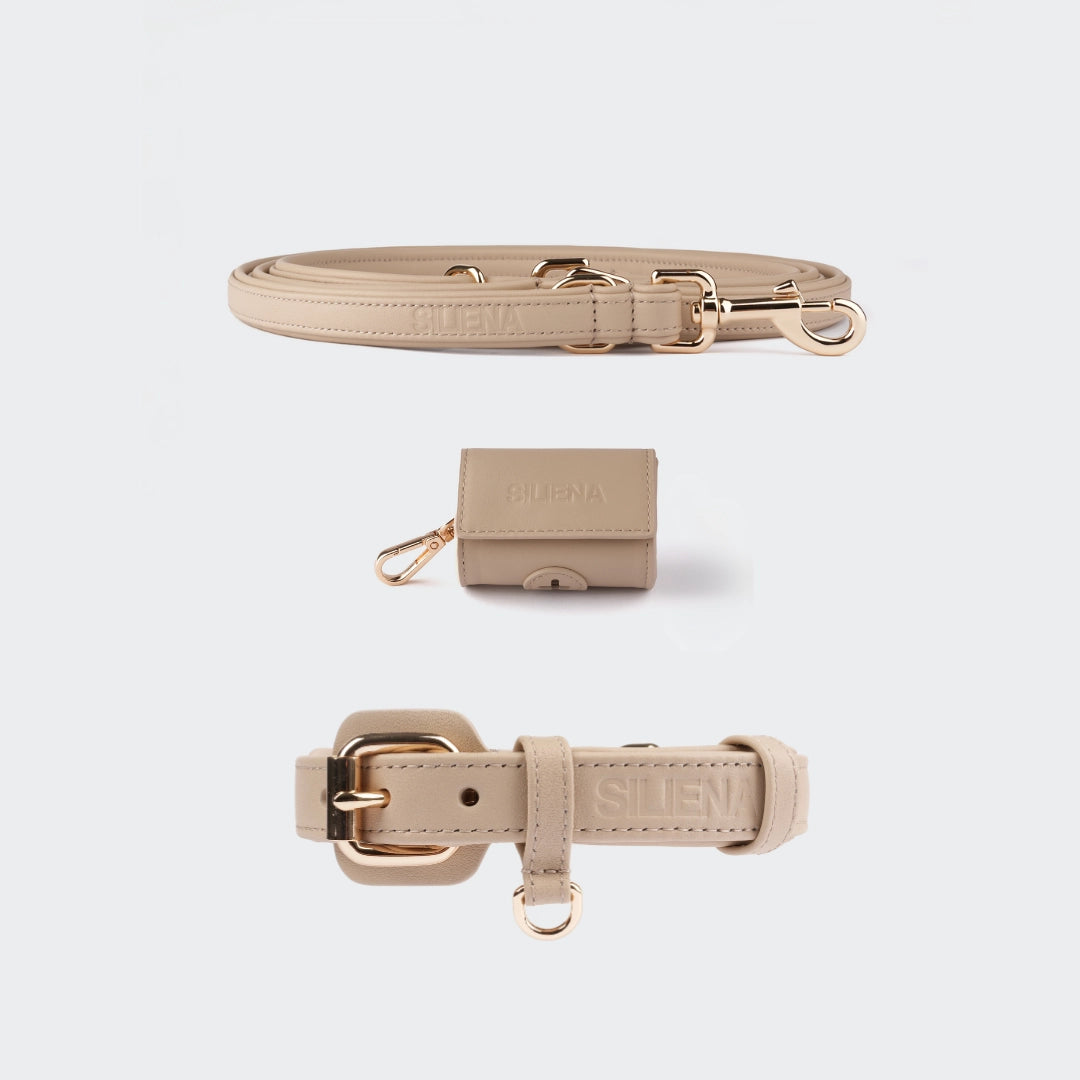
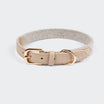
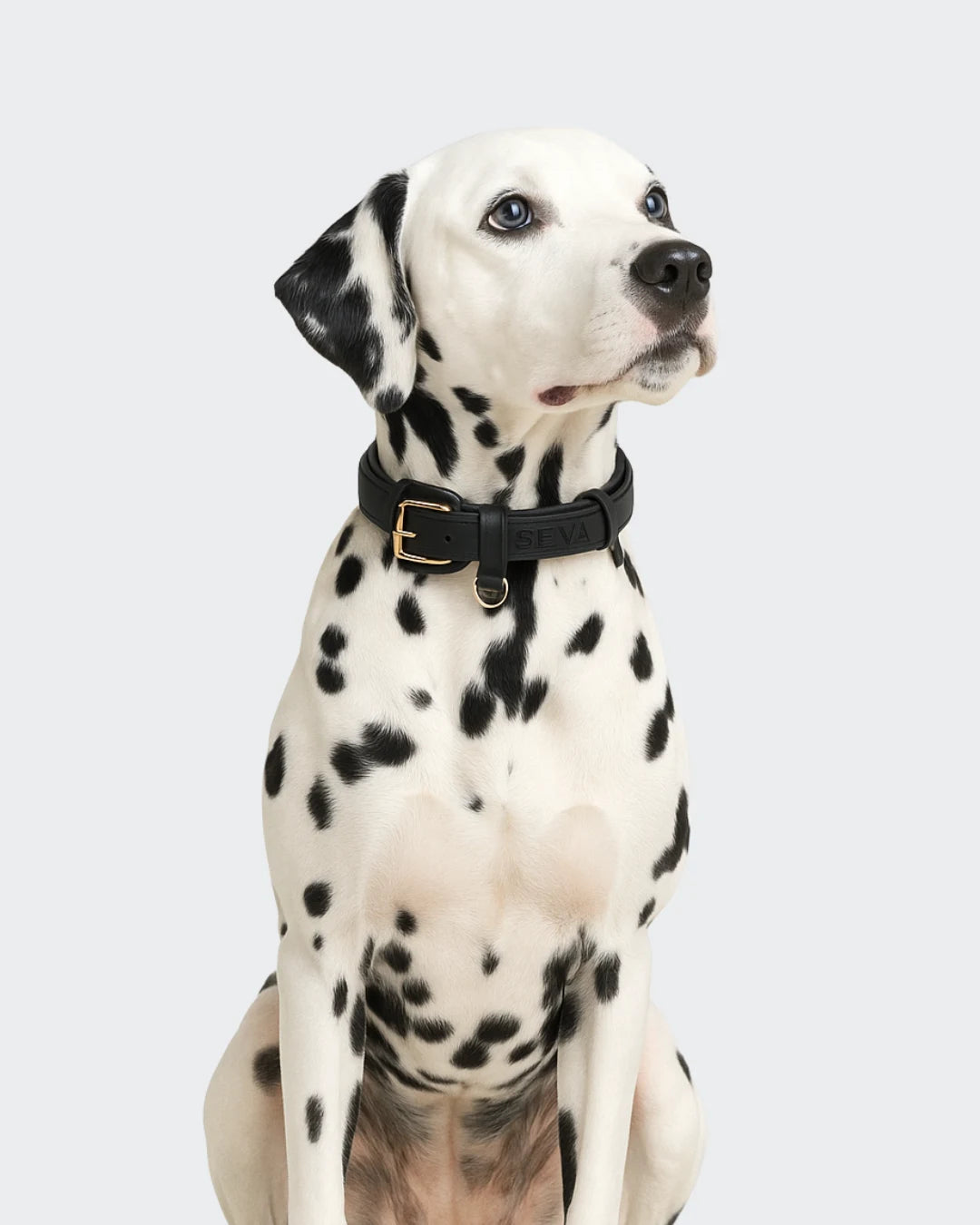
- Durable, padded dog collar or harness
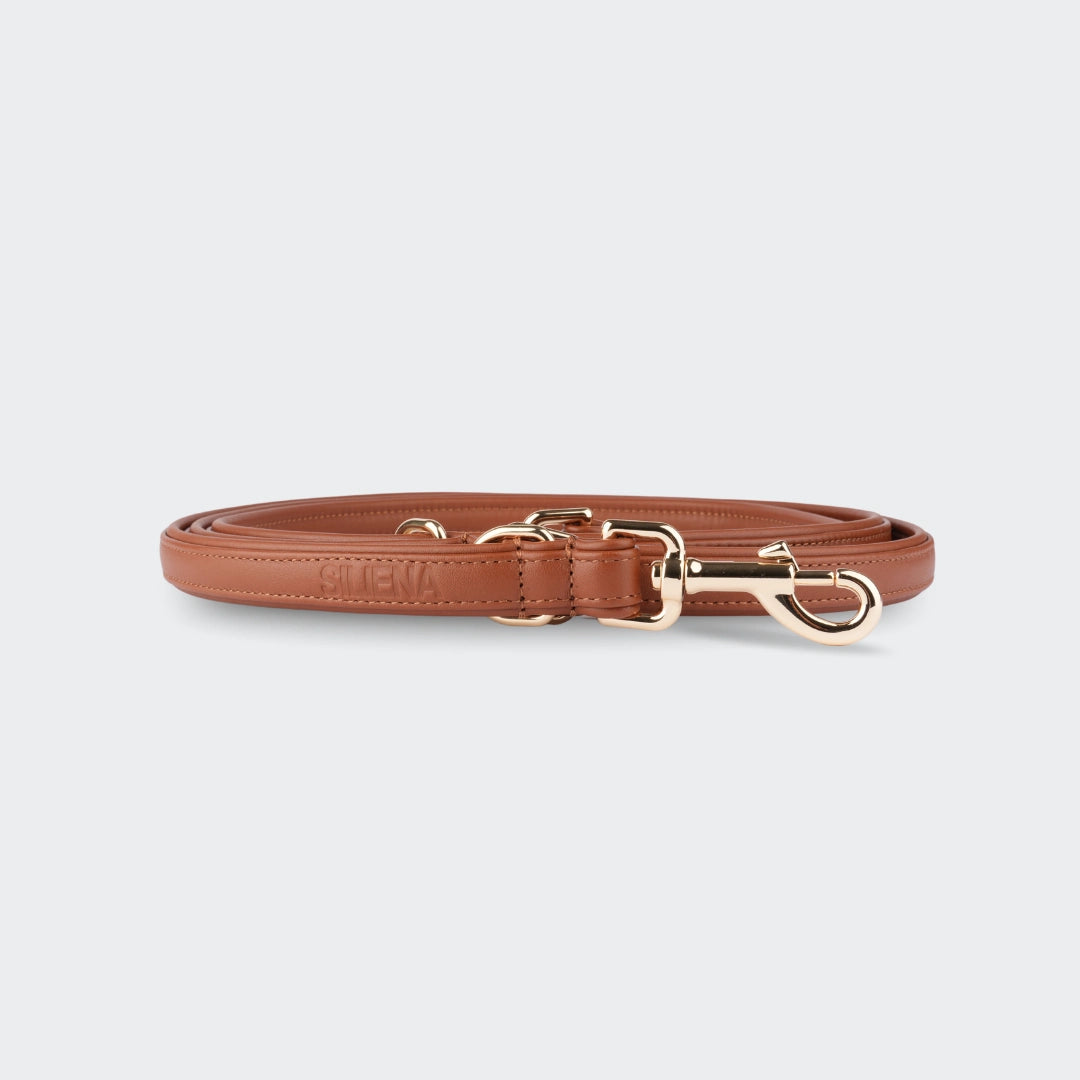
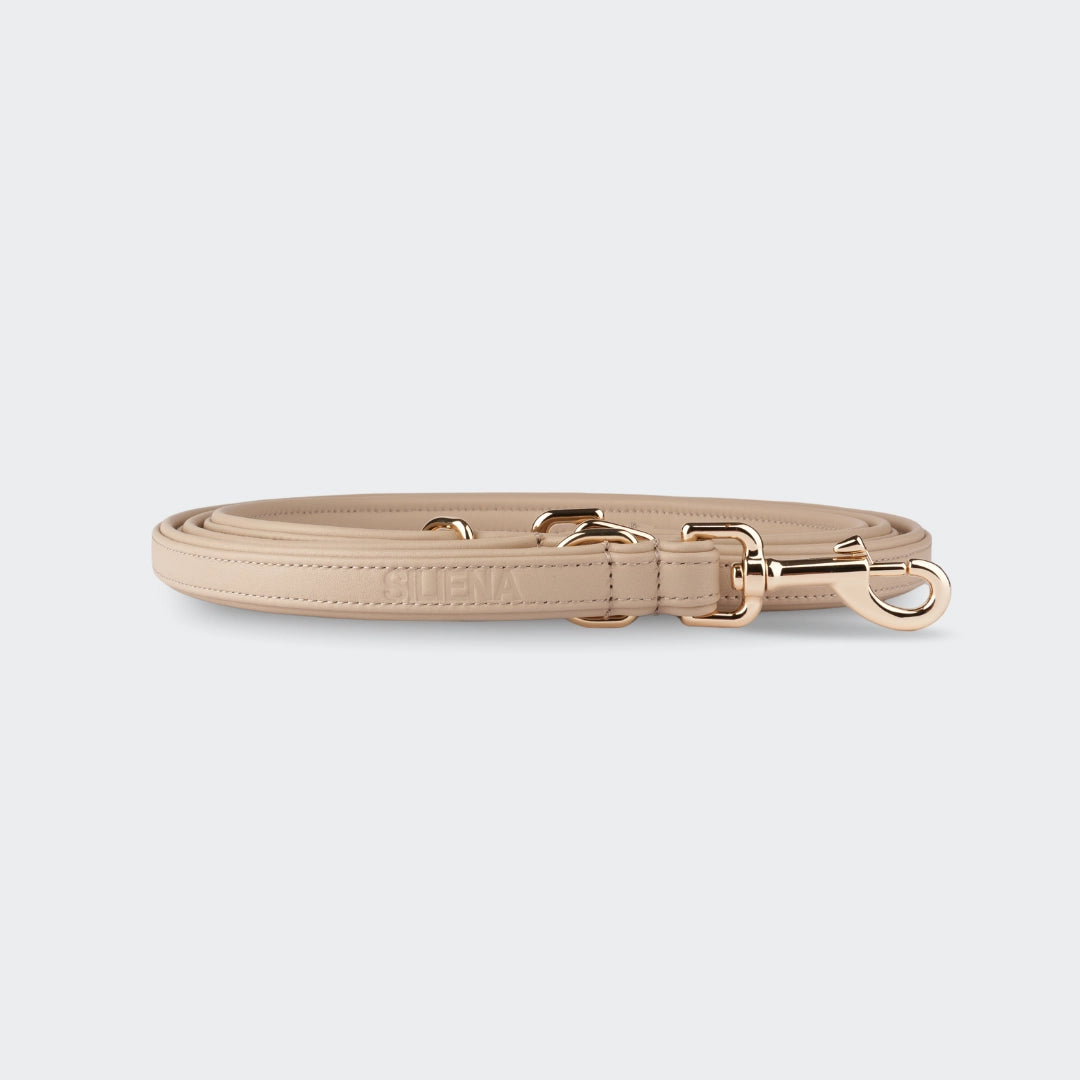
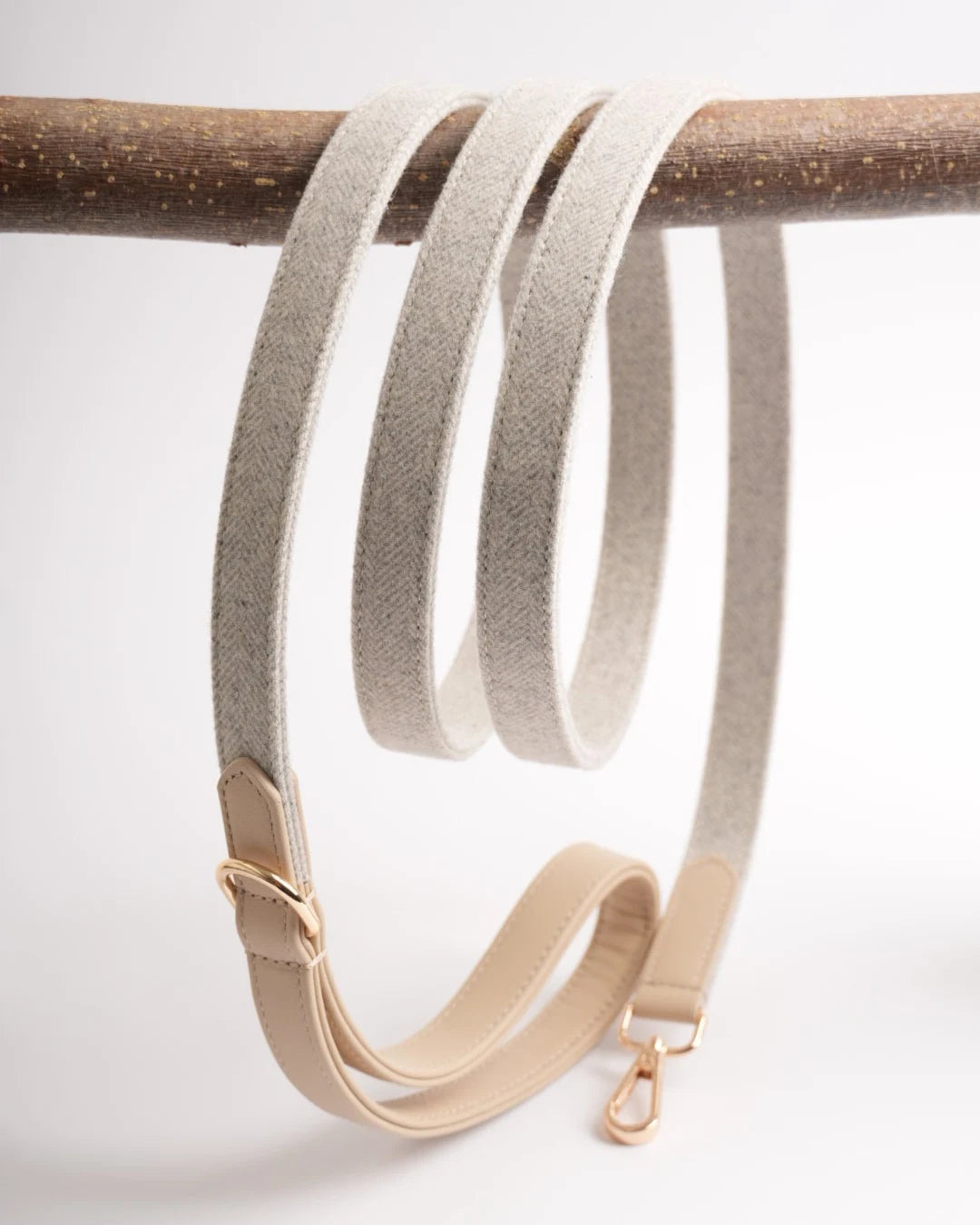
- Strong dog leash for daily walks
- Large, well-cushioned dog bed
- Grooming brushes for long coats
- High-quality puppy and adult dog food
Conclusion
The Bernese Mountain Dog is a gentle, loyal, and family-friendly companion whose impressive looks are matched by a loving heart. They are best suited for owners with space, time, and the dedication to meet their exercise and grooming needs. Understanding their unique requirements will reward you with a devoted friend for life.

Bernese Mountain Dog Factsheet
| Origin | Switzerland, originally bred as a farm and working dog |
| Temperament | Friendly, loyal, gentle, family-oriented |
| Height | Male: 25–27.5 in, Female: 23–26 in |
| Weight | 77–121 lbs |
| Coat | Long, silky, tricolor (black, white, rust) |
| Grooming needs | High – regular brushing required |
| Exercise needs | Moderate – 1.5–2 hours daily |
| Good for first-time owners | Somewhat suitable, better for committed owners |
| Barking level | Low to moderate |
| Life expectancy | 7–10 years |
| Common health issues | Hip dysplasia, elbow dysplasia, cancer, bloat |
| Price range | Approx. $1,300–$2,200 |

Leave a comment
This site is protected by hCaptcha and the hCaptcha Privacy Policy and Terms of Service apply.