







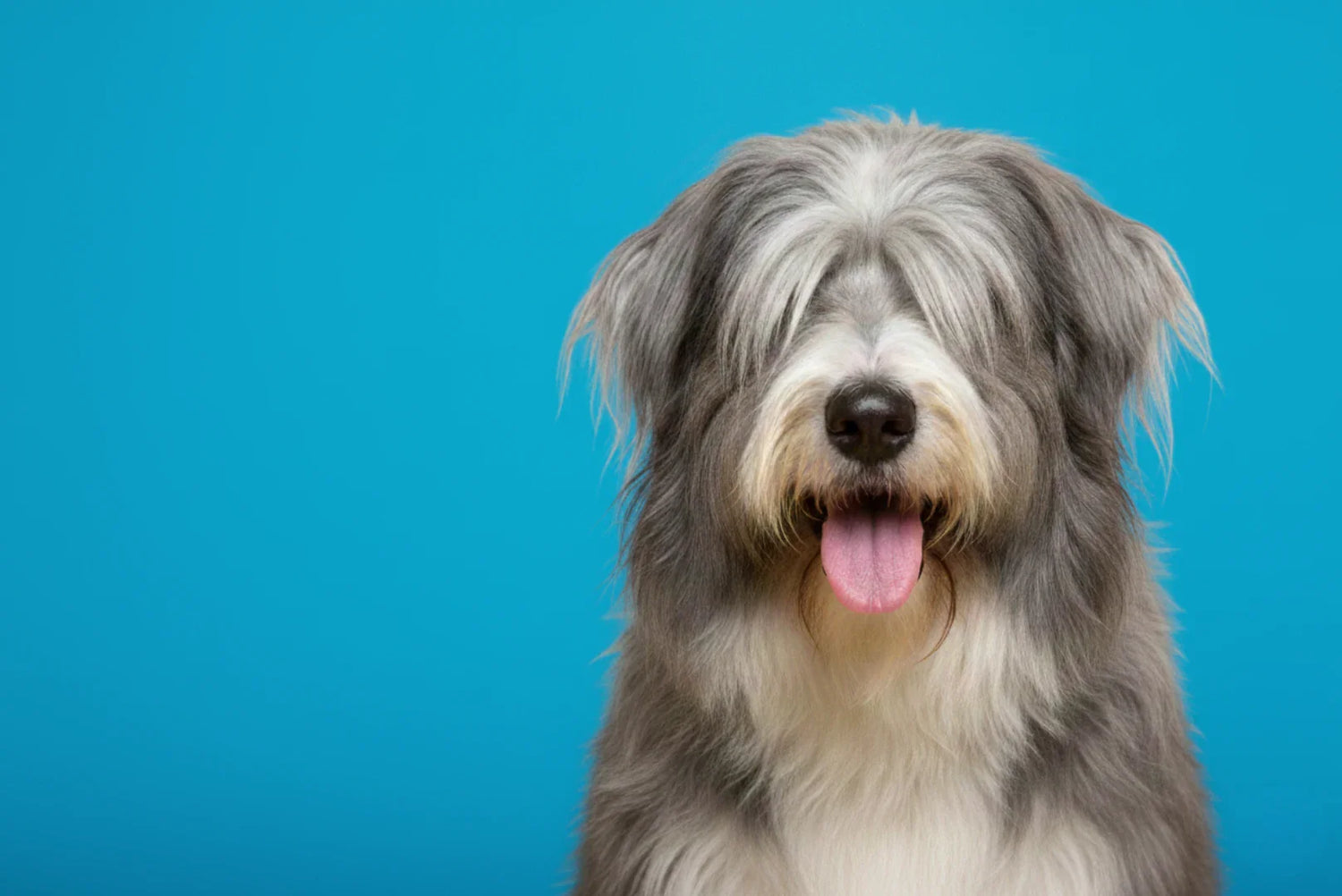
The Bearded Collie, affectionately known as the "Beardie," is a lively, gentle, and intelligent herding dog from Great Britain. Its long, soft coat, the typical "beard," and its perpetual good mood make it a popular family companion. However, behind the charming appearance lies an active, high-energy breed that wants to be challenged both mentally and physically. In this breed profile, you will learn everything about the demanding grooming routine, their character, and training.
Table of Contents
- Origin & History
- Appearance & Features (The Coat)
- Temperament & Character
- Family Life & Kids
- Training & Obedience
- Exercise & Activity
- Health & Breed-Specific Issues
- Grooming the Long Coat
- Nutrition & Weight
- Apartment, City & Climate
- Puppies & The First Months
- Acquisition, Costs & Responsibility
- Who is the Bearded Collie Suitable For?
- Breed Snapshot
Origin & History
The Bearded Collie originates from the Scottish Highlands and was originally used as a robust herding and droving dog. Its job was to keep sheep flocks together in difficult, foggy terrain, make independent decisions, and work over long distances while barking loudly. The first depictions of similar dogs can be traced back to the 16th century.
Thanks to its friendly character and elegant appearance, it later found fans outside of agriculture. In the 1950s, its rise as a family and show dog began, making the breed known worldwide.

Appearance & Features (The Coat)
The Bearded Collie is medium-sized, slim, and appears surprisingly light-footed and athletic despite its lush coat. Its characteristic feature is the long, harsh outer coat with soft undercoat, which forms a natural part on the back.
- Height: 21–22 inches (Males), 20–21 inches (Females)
- Weight: approx. 40–60 lbs (slender body under the fur)
- Coat Colors: Black, Brown, Blue, Fawn – all colors may have white markings.
- Special Feature: The "Greying" Gene. Many Beardies are born dark and lighten significantly over the course of their lives, sometimes darkening again slightly later.
Temperament & Character
Bearded Collies are known for their consistently cheerful, people-oriented, and active character. They are considered sensitive, friendly, and social – showing almost no aggression towards humans or other dogs.
Typical traits:
- Cheerful and Playful: They often retain their clownish nature well into old age.
- Eager to Learn: They have a "Will to Please," but as herding dogs, they also think independently.
- Sensitive: They react strongly to moods and loud voices.
- Affectionate: They prefer to be with their "pack" at all times (Velcro dogs).
This breed needs a lot of company and wants to actively participate in family life. Being alone for long periods is difficult for them and must be practiced patiently.

Family Life
The Beardie is an excellent family dog. He is patient with children, friendly to visitors, and usually very socially compatible. His balanced nature makes him a pleasant companion – provided the family is active. Due to his herding instinct, he may try to "herd" playing children or other pets, which must be guided into proper channels early on.
Training & Obedience
Training a Bearded Collie is based on patience, positive reinforcement, and calm leadership. Since the breed is sensitive, harshness or pressure leads to insecurity and withdrawal. Beardies learn quickly but need variety, as they get bored easily with repetitive drills.
- A reliable Recall is essential to allow him off-leash freedom.
- Practice Loose Leash Walking early, as a pulling Beardie can develop a lot of power.
Exercise & Activity
This breed is originally a working dog – its need for exercise is correspondingly high. Beardies need several hours of activity daily. They are not dogs for "just around the block." Underchallenged, the dog tends to become restless, barky, or develop behavioral issues.
Popular activities:
- Agility & Rally: Ideal for their agile body.
- Herding/Treibball: A great outlet for their instincts.
- Scent Work: Search games exhaust the mind.
- Hiking: As an endurance trotter, he is the perfect hiking companion.

Health & Breed-Specific Issues
The Bearded Collie is generally considered a robust breed with a comparatively high life expectancy. However, there are issues to be aware of:
- Hip Dysplasia (HD): Look for HD-free parents.
- Eye Diseases: CEA (Collie Eye Anomaly) and PRA.
- Autoimmune Diseases: (e.g., SLO, Addison's) occur in some lines.
- MDR1 Defect: A sensitivity to certain medications (genetic test available).
Grooming the Long Coat (The Most Important Part)
The long coat is the trademark, but also the biggest challenge. It requires a lot of time and discipline. A Beardie that is not brushed regularly will mat down to the skin, which is painful and causes health issues.
- Routine: Schedule a thorough brushing session at least once a week (Duration: approx. 1 hour).
- Trouble Spots: Pay special attention to the areas behind the ears, under the armpits, and on the belly.
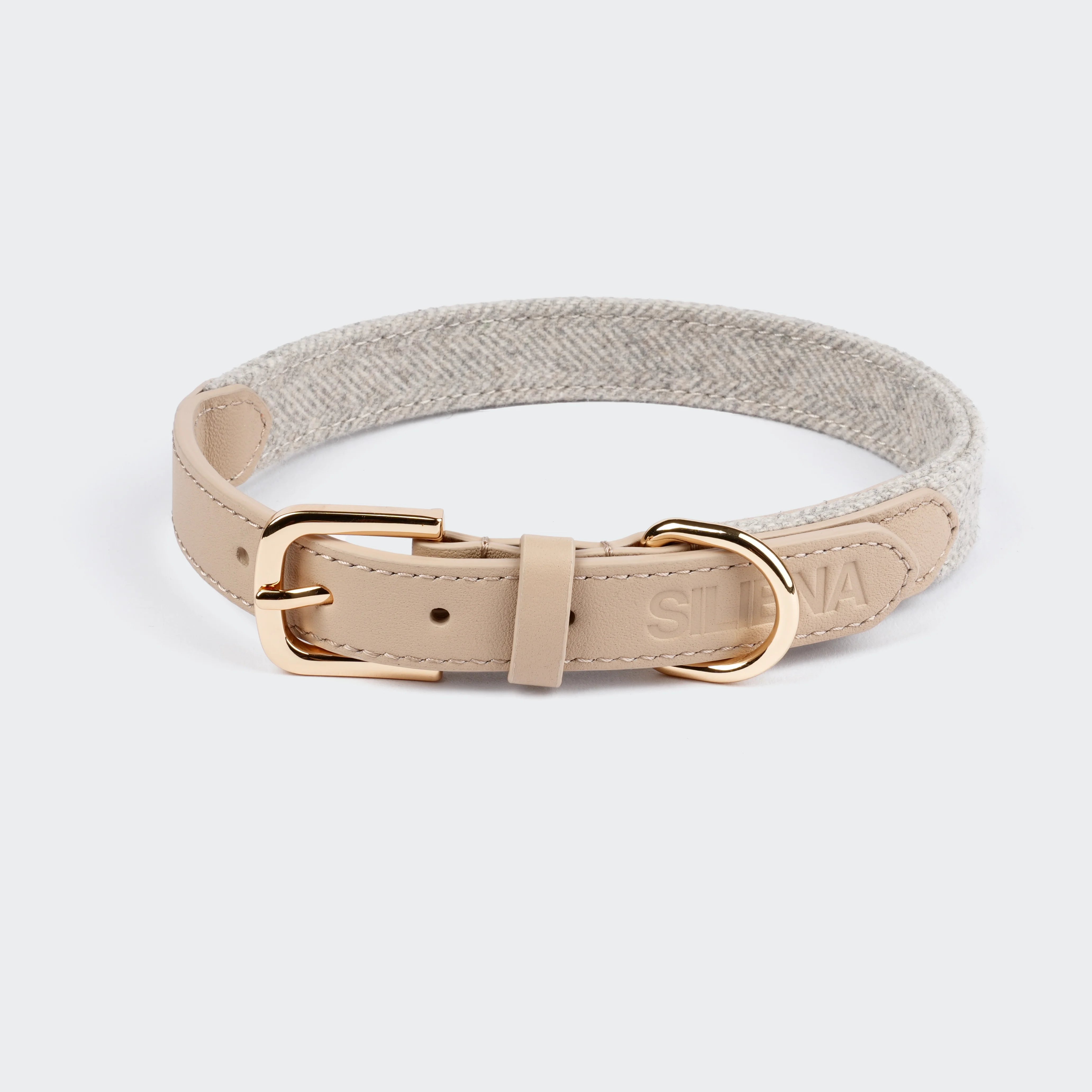
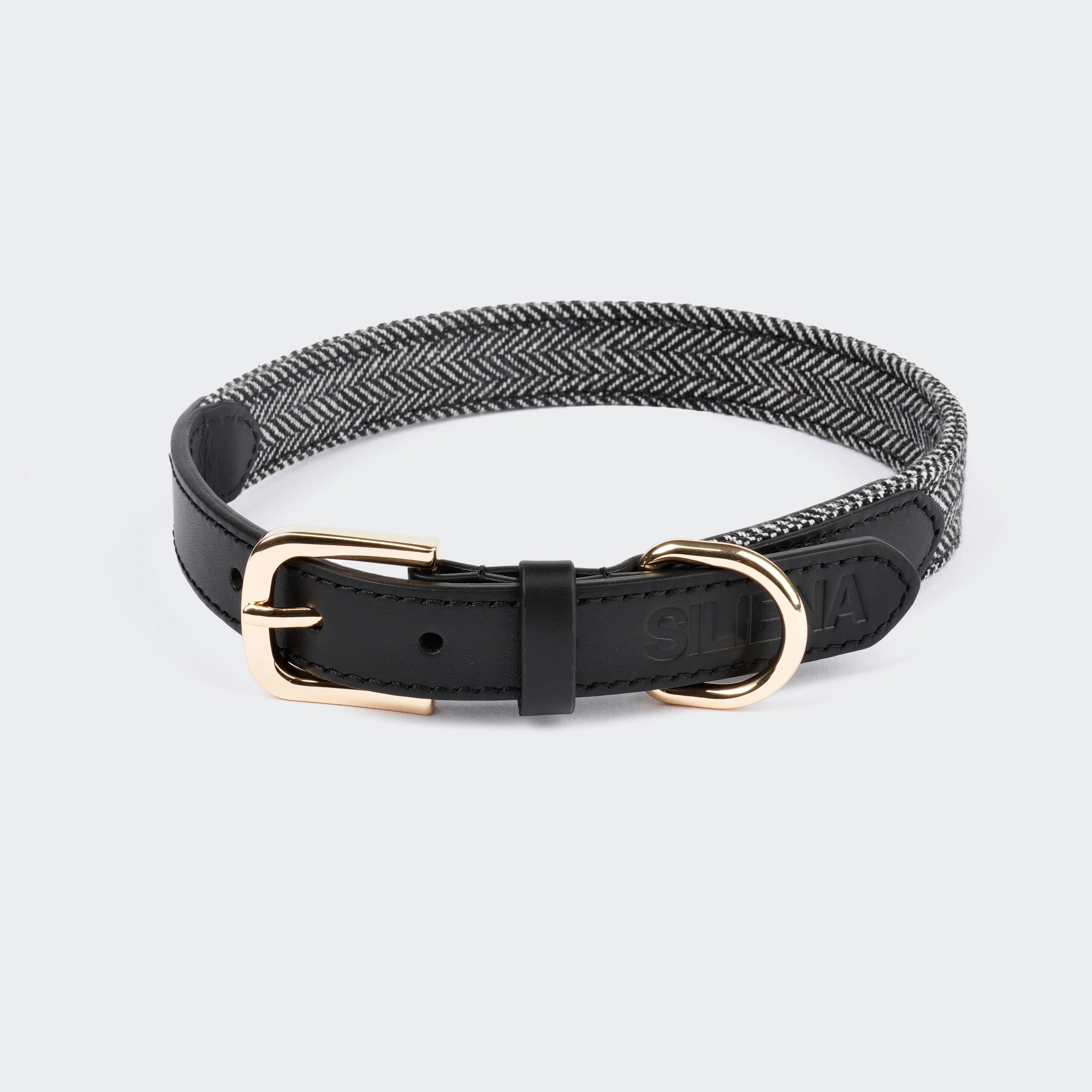
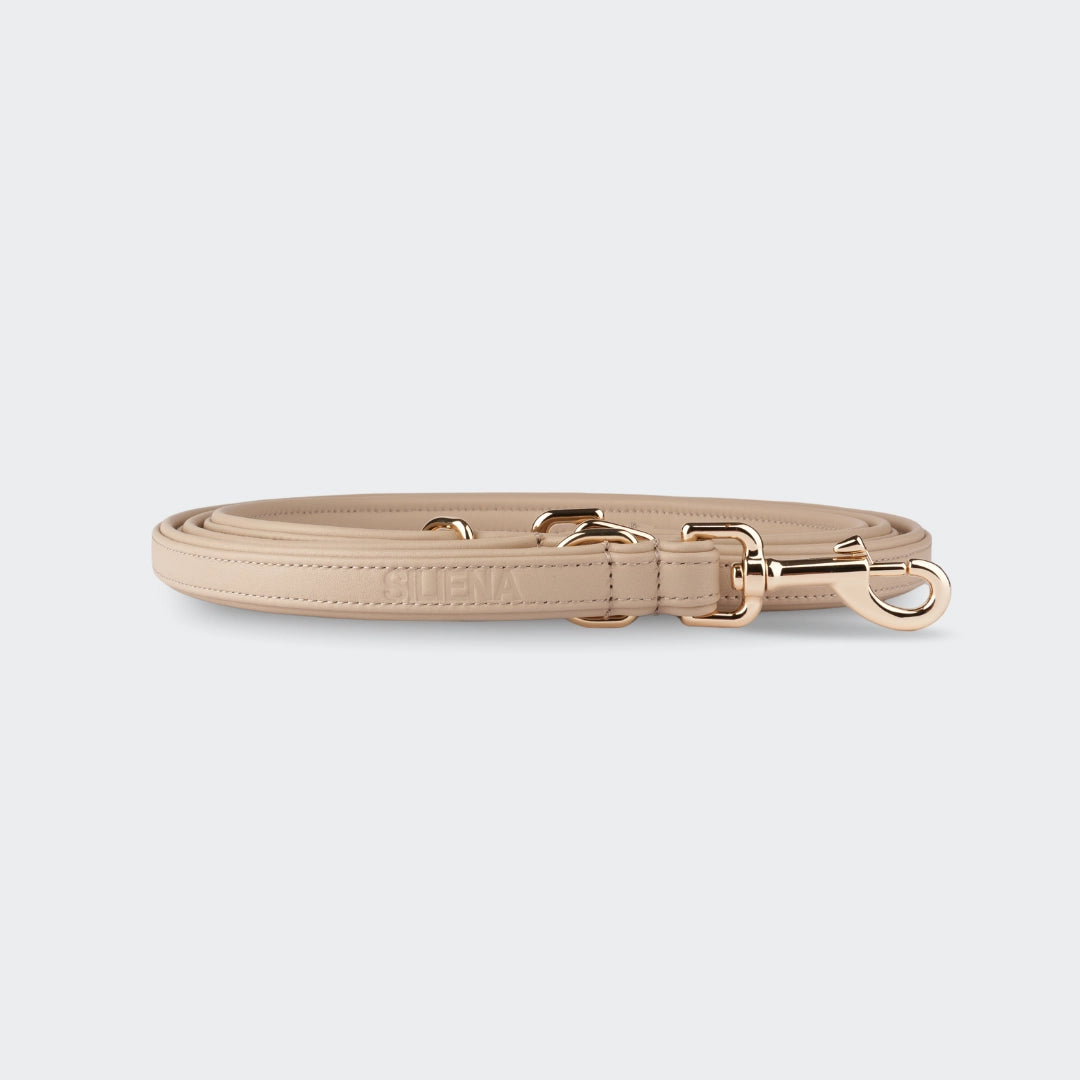
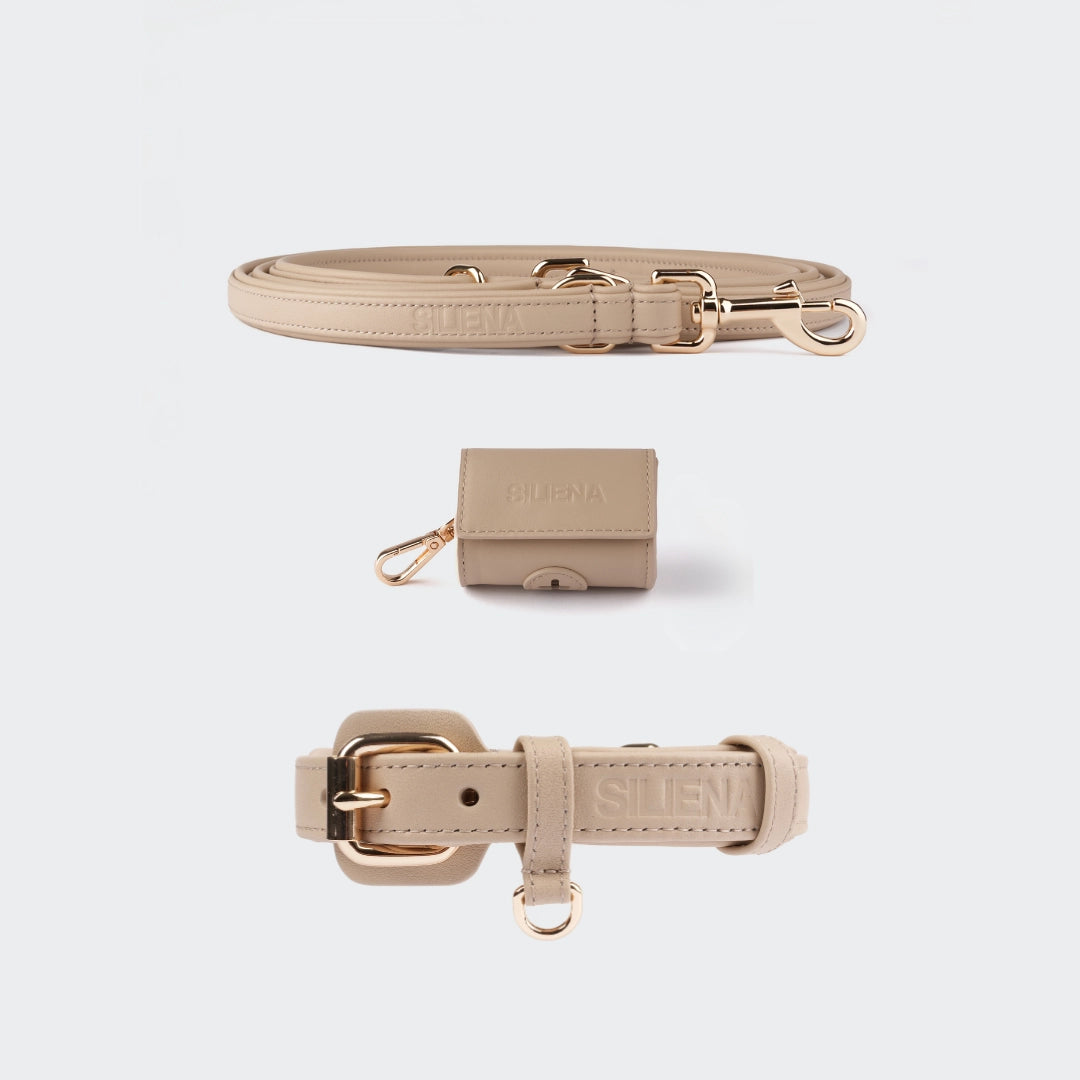
- Gear: Use high-quality brushes. A round-stitched or soft leather collar is recommended to prevent hair breakage in the neck area.
Nutrition & Weight
The Bearded Collie needs a high-quality diet with good meat content. Since he is very active, he consumes a lot of energy. Nevertheless, owners should watch for a healthy weight. The lush coat can be deceiving – feel the ribs regularly to check the nutritional condition.

Apartment, City & Climate
Beardies can live in an apartment if the exercise is sufficient. A house with a yard is ideal, but not a must. Important for clean-freaks: The long coat brings a lot of dirt, sand, burrs, and snowballs into the house. A good vacuum cleaner and a "wash station" in the entrance area are mandatory.
Climate: Thanks to the thick coat, the Beardie copes well with cold, wind, and rain. However, he tolerates heat poorly. In summer, activities should be shifted to the cool morning and evening hours.
Puppies & The First Months
Bearded Collie puppies are curious, playful, and quickly grow into active young dogs. Early socialization is crucial to prevent natural sensitivity from turning into fearfulness.
Important: Accustom the puppy to the comb and brush playfully from day 1! Holding still while being brushed is a vital life skill for this breed. Our tips on Puppy Training are helpful here.

Acquisition, Costs & Responsibility
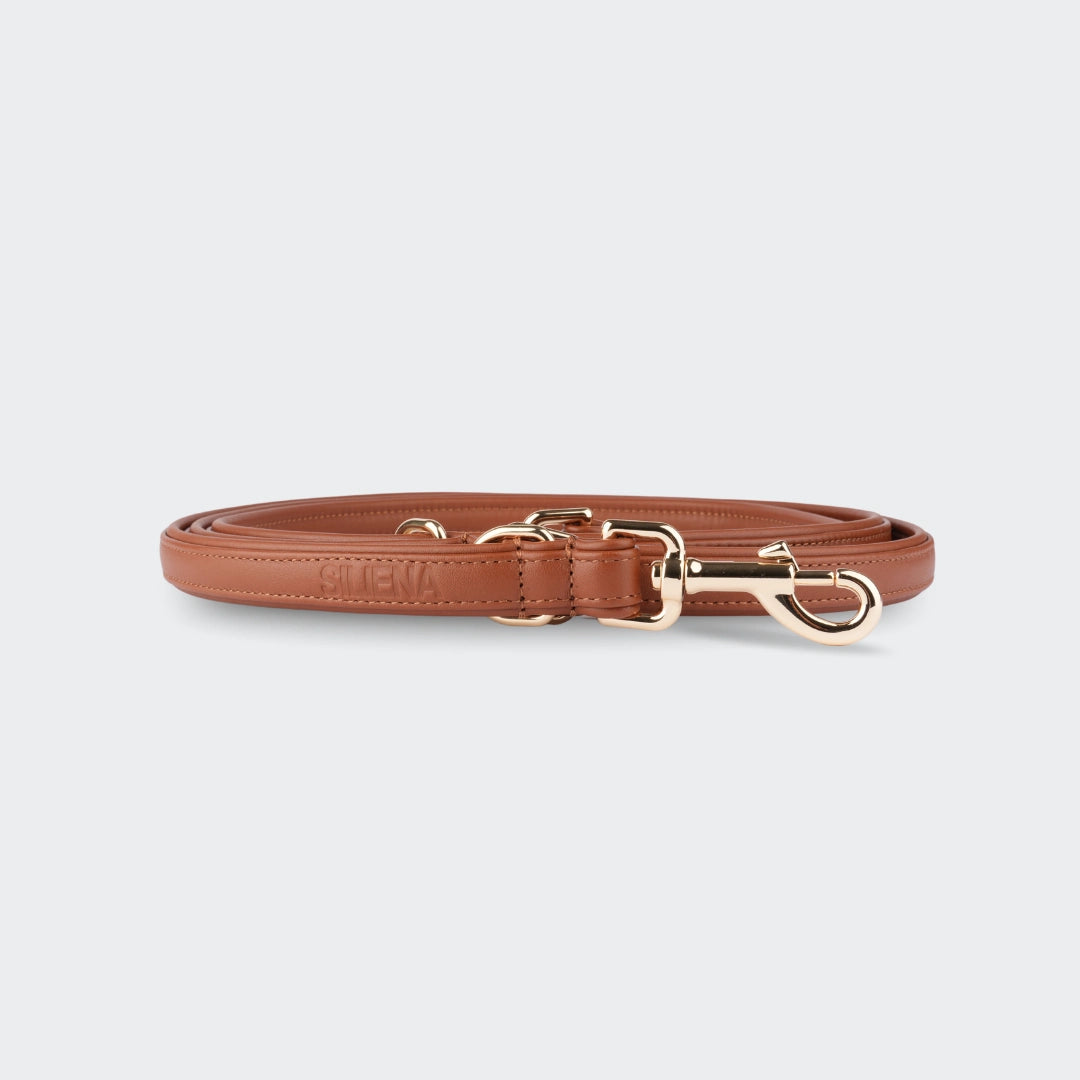
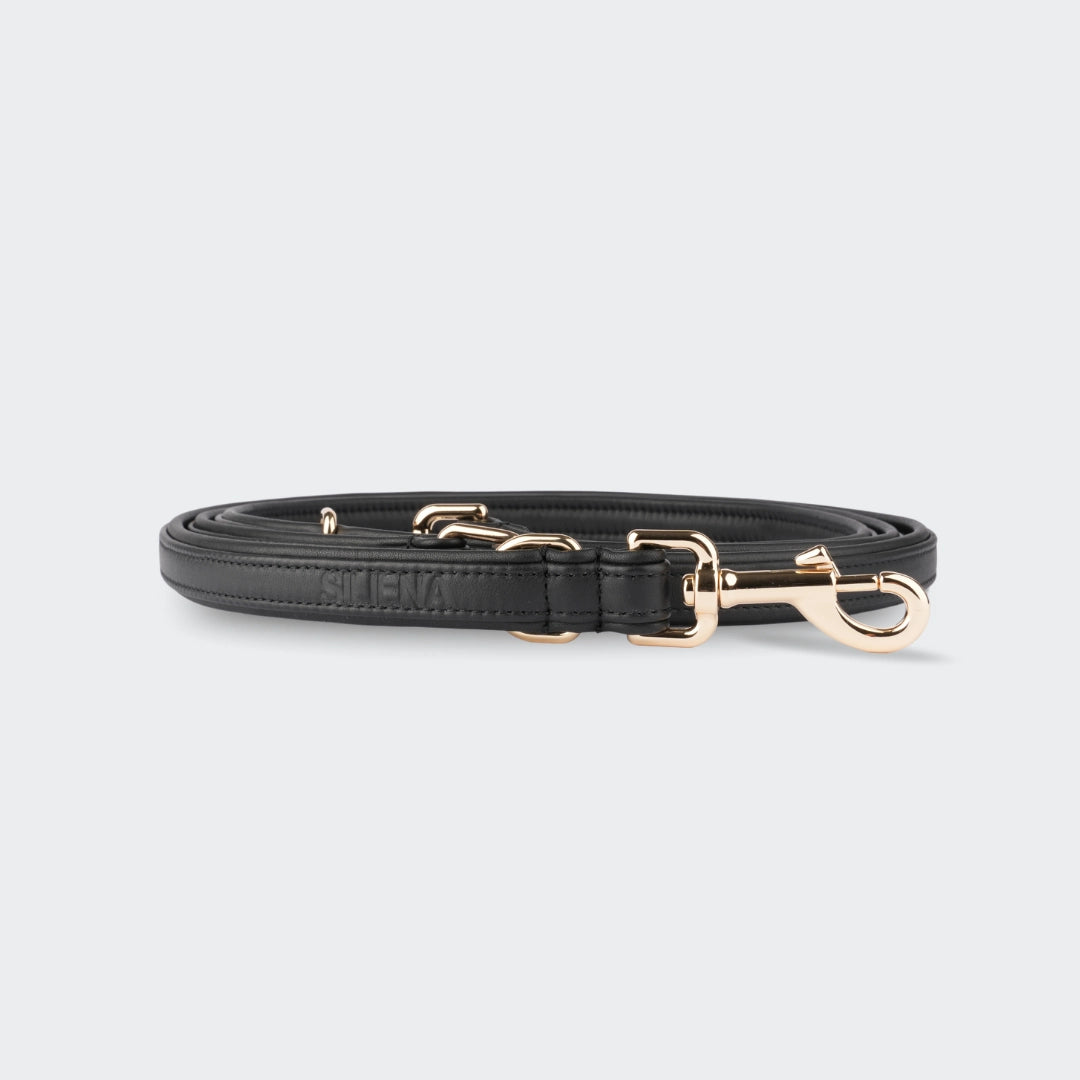
A Bearded Collie from a reputable breeder (AKC/Club papers are important for health screening) usually costs between $1,500 and $3,000. In addition, there are costs for high-quality food, a good leash, vet visits, and possibly a professional groomer if you need help with coat care.
Who is the Bearded Collie Suitable For?
- For active people or families who like to spend a lot of time outdoors.
- For people who enjoy grooming (or at least don't shy away from it).
- For dog sports fans and nature-loving owners.
- Less suitable for people who value a clinically clean home or have little time for grooming and sports.

Breed Snapshot
| Origin | Scotland (Great Britain) |
| Height | 20–22 inches (51–56 cm) |
| Weight | 40–60 lbs (18–27 kg) |
| Coat | Long, dense, harsh texture with undercoat |
| Colors | Black, Blue, Brown, Fawn – often with white |
| Life Expectancy | 12–14 years |
| Temperament | Cheerful, playful, active, sensitive, non-aggressive |
| Grooming Needs | High (regular brushing mandatory) |
| Suitable for | Active families, sports enthusiasts, long-hair dog lovers |




Leave a comment
This site is protected by hCaptcha and the hCaptcha Privacy Policy and Terms of Service apply.